
High Protein Chicken Alfredo (30 Minute Recipe)
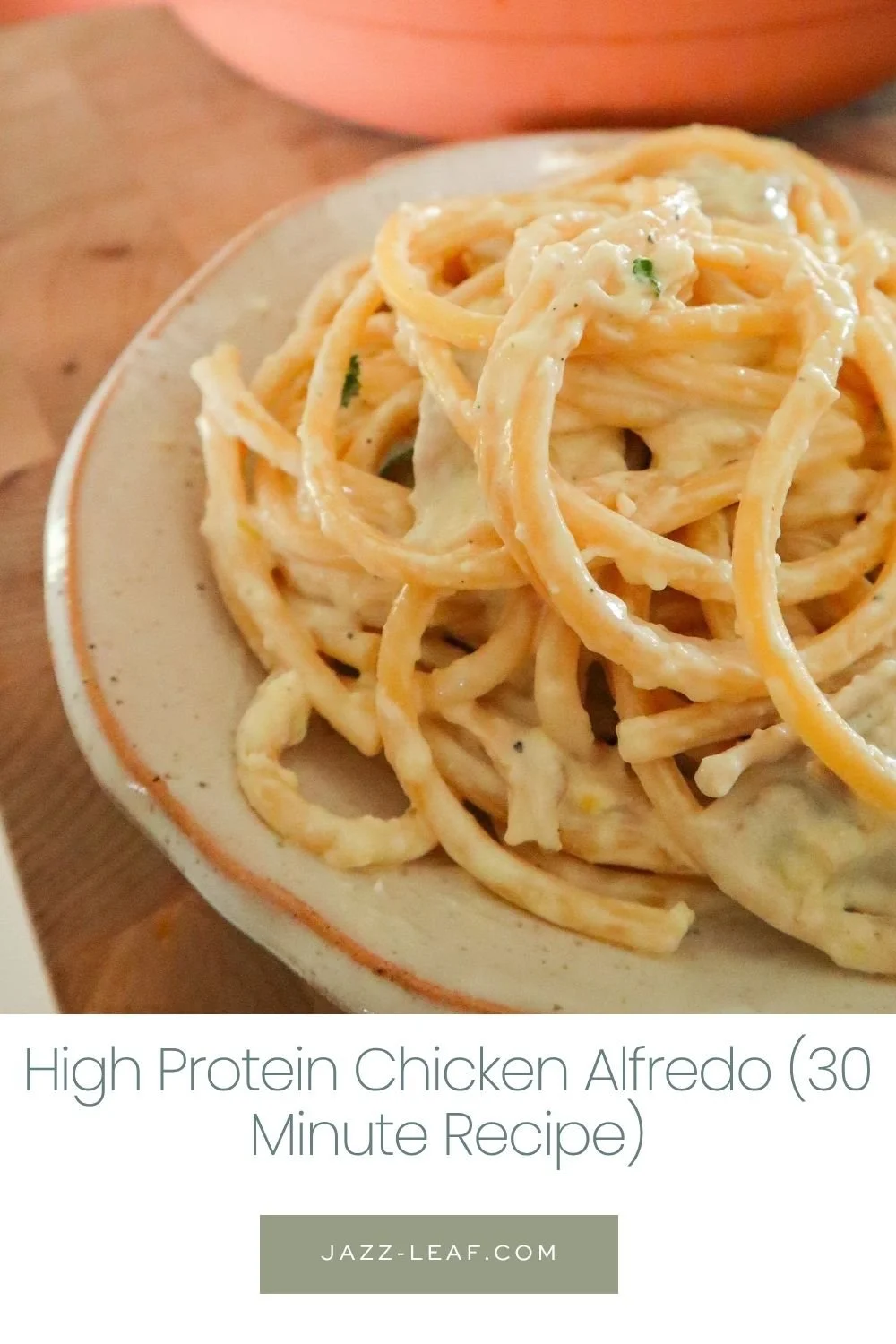
My daughter is obsessed with pasta. If I ask what she wants for dinner, it’s pasta every single time. And honestly, I get it. It’s easy, it’s comforting, and it just works.
But real life right now looks like me running a business, chasing a toddler around, and trying to get dinner on the table in about 30 minutes, if I’m lucky. There's no time for a from-scratch Alfredo that takes longer to make than it does to eat.
Before all of this, I was a private chef for NBA athletes, and one thing that really stuck with me is that the meals that actually support performance don’t feel like “healthy food.” They’re rich, satisfying, and something you genuinely want to eat. They’re just built a little differently.
I had a client who needed to put on around 20 pounds of muscle, and the goal wasn’t just to feed him more. It was to increase protein in a way that still felt good to eat. One of the easiest ways to do that was swapping heavy cream or ricotta for cottage cheese in sauces. It blends up creamy, adds a ton of protein, and honestly, nobody ever notices.
This recipe is that same idea, just adapted for real life. Rotisserie chicken, a blender, and dinner done in about 30 minutes.
More Chicken Recipes: Orange Chicken vs Sweet and Sour Chicken, Easy Air Fryer Lemon Chicken Recipe, The Best Crispy Air Fryer Chicken Cutlets Recipe, Persian Chicken Kabob Recipe With Greek Yogurt.
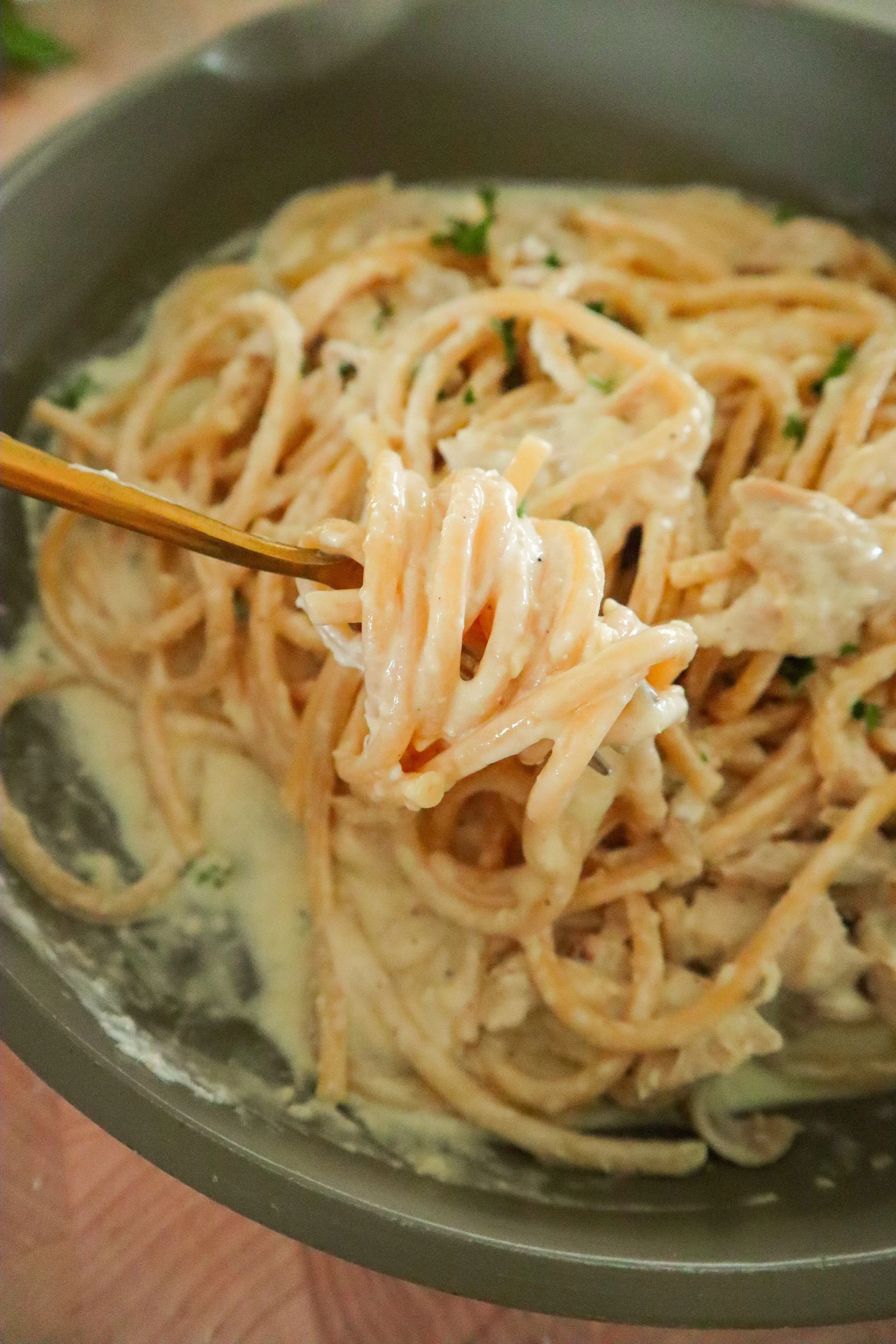
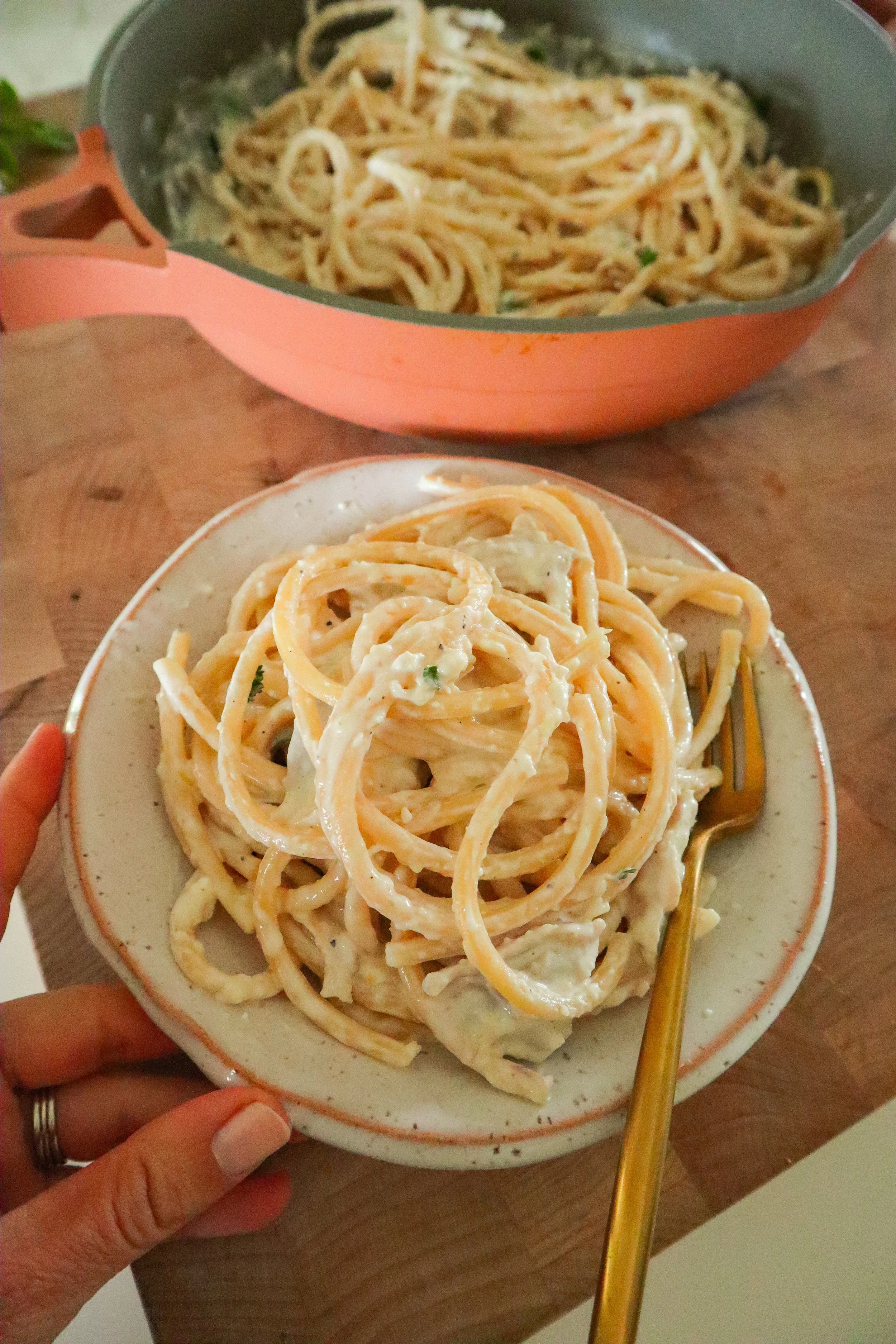
Why This Is Healthier Than Traditional Alfredo Sauce
Let’s break it down.
A classic Alfredo sauce made with heavy cream and butter can easily reach 400 or more calories per cup, with high fat and very little protein.
This version changes that completely.
Using cottage cheese as the base gives you:
A major protein boost, around 45 grams per serving
Lower fat compared to traditional Alfredo sauce
Higher calcium
A sauce that still tastes like comfort food
Cottage cheese contains casein protein, which digests slowly and helps you stay full longer. When combined with rotisserie chicken, this becomes one of the easiest high-protein meals you can make at home.
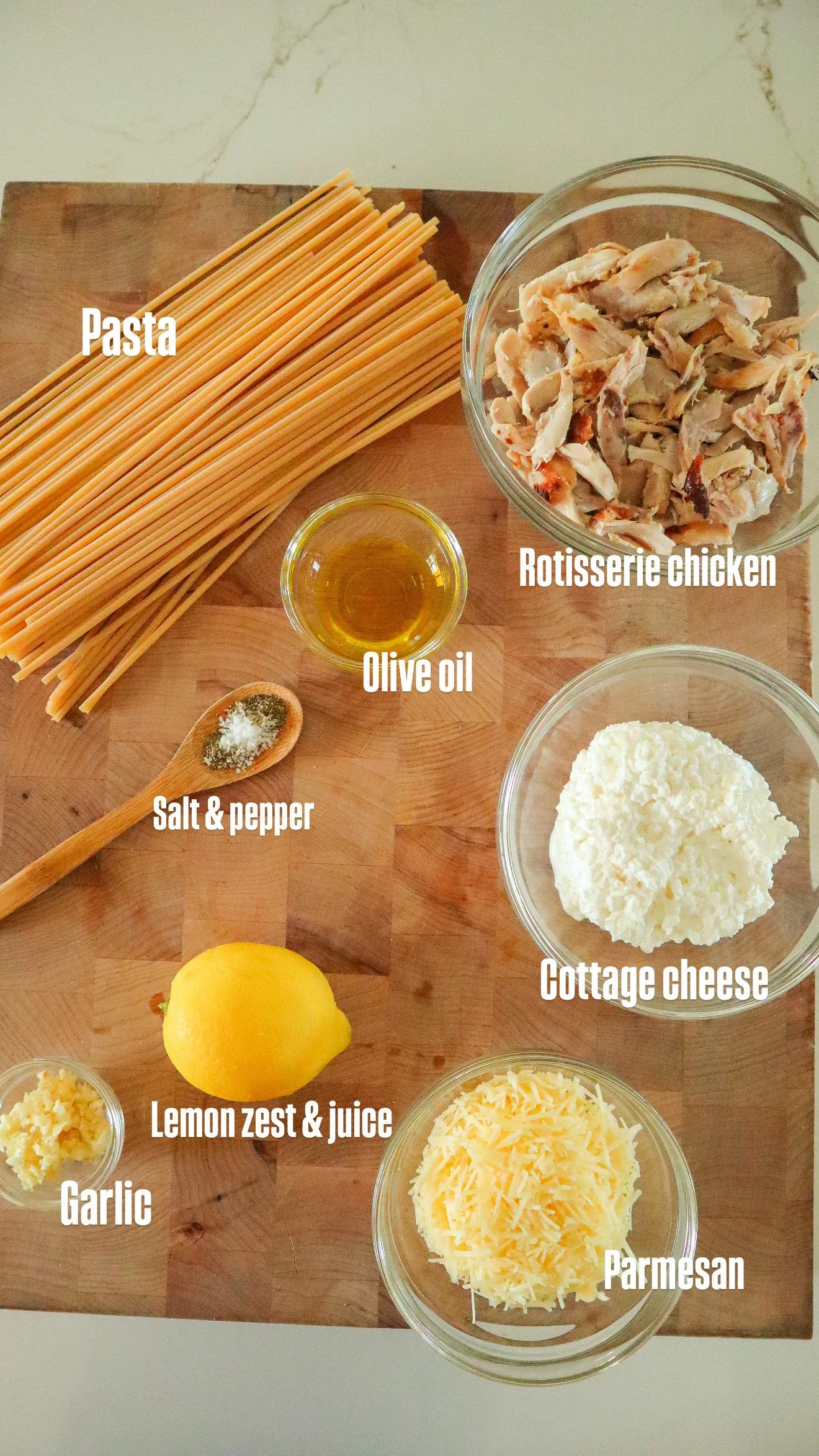
Ingredients You’ll Need
Serves 4 | Ready in 30 minutes
The Sauce
1 cup full-fat cottage cheese
¾ cup grated parmesan cheese
Zest and juice of ½ lemon
1 tablespoon olive oil
4 cloves garlic
¼ teaspoon salt
¼ teaspoon black pepper
Everything Else
12 oz gluten-free fettuccine or regular pasta
3 cups shredded rotisserie chicken
Reserved pasta water
Ingredient Tip: Full-fat cottage cheese is important here. Low-fat versions contain more water and will not give you the same creamy texture.
How to Break Down a Rotisserie Chicken
If you have never done this before, this is a skill that saves time every week.
Let it rest. If the chicken is fresh from the store, let it sit for 5-10 minutes so it's cool enough to handle.
Remove the legs and thighs first. Pull them away from the body, they'll come off easily at the joint.
Pull the breast meat. Use your hands or two forks to shred it into strips. Don't dice it, shredded chicken holds sauce better.
Get the back and wings. Don't leave meat behind. The back has small pieces that are worth picking off.
Save the carcass. Throw it in a bag and freeze it. It makes incredible chicken broth with basically zero effort.
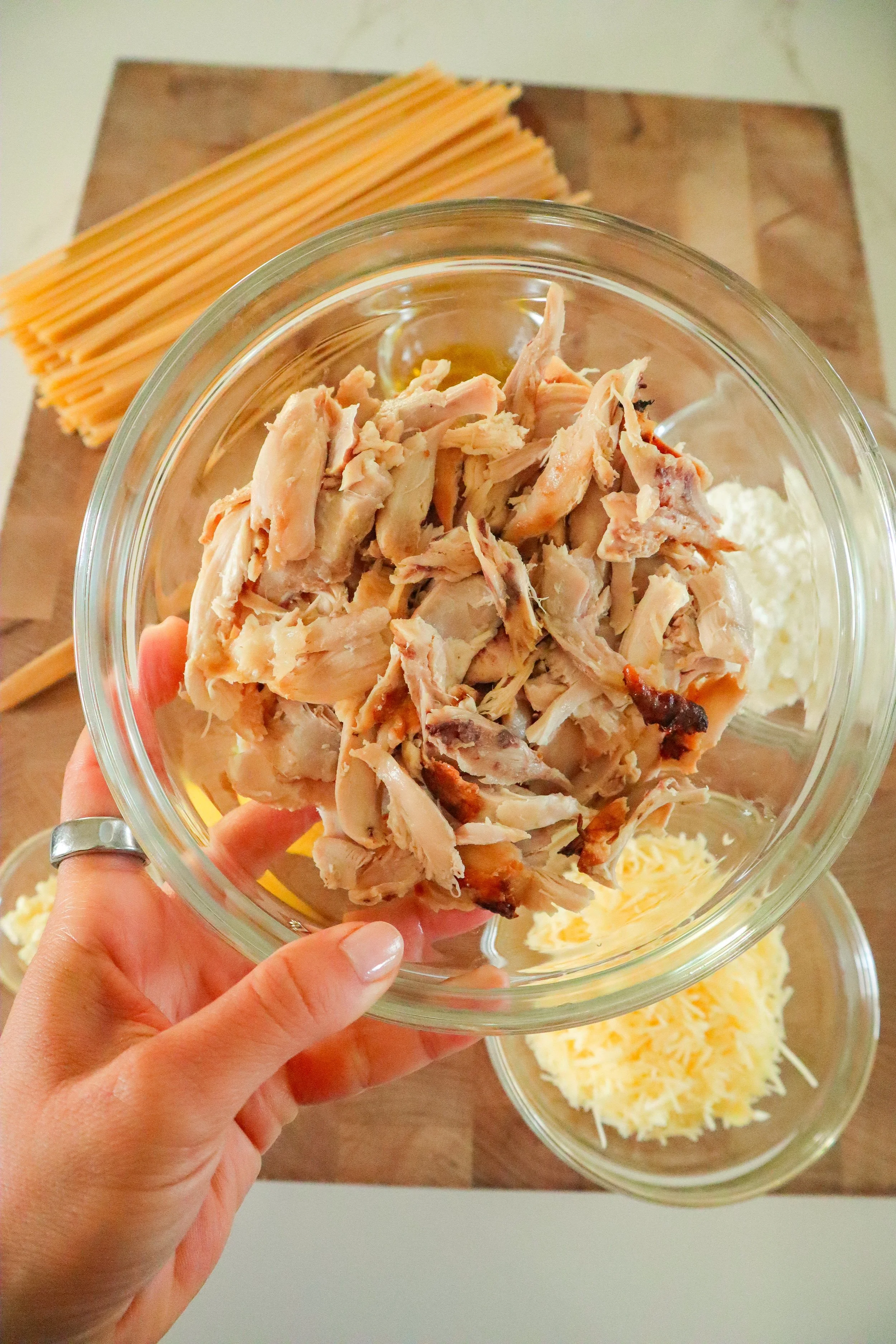
For this recipe you need about 3 cups of shredded chicken, which is roughly half of a standard rotisserie bird. The other half keeps in the fridge for 3-4 days.
How to Make High Protein Chicken Alfredo
Step 1: Cook the Pasta
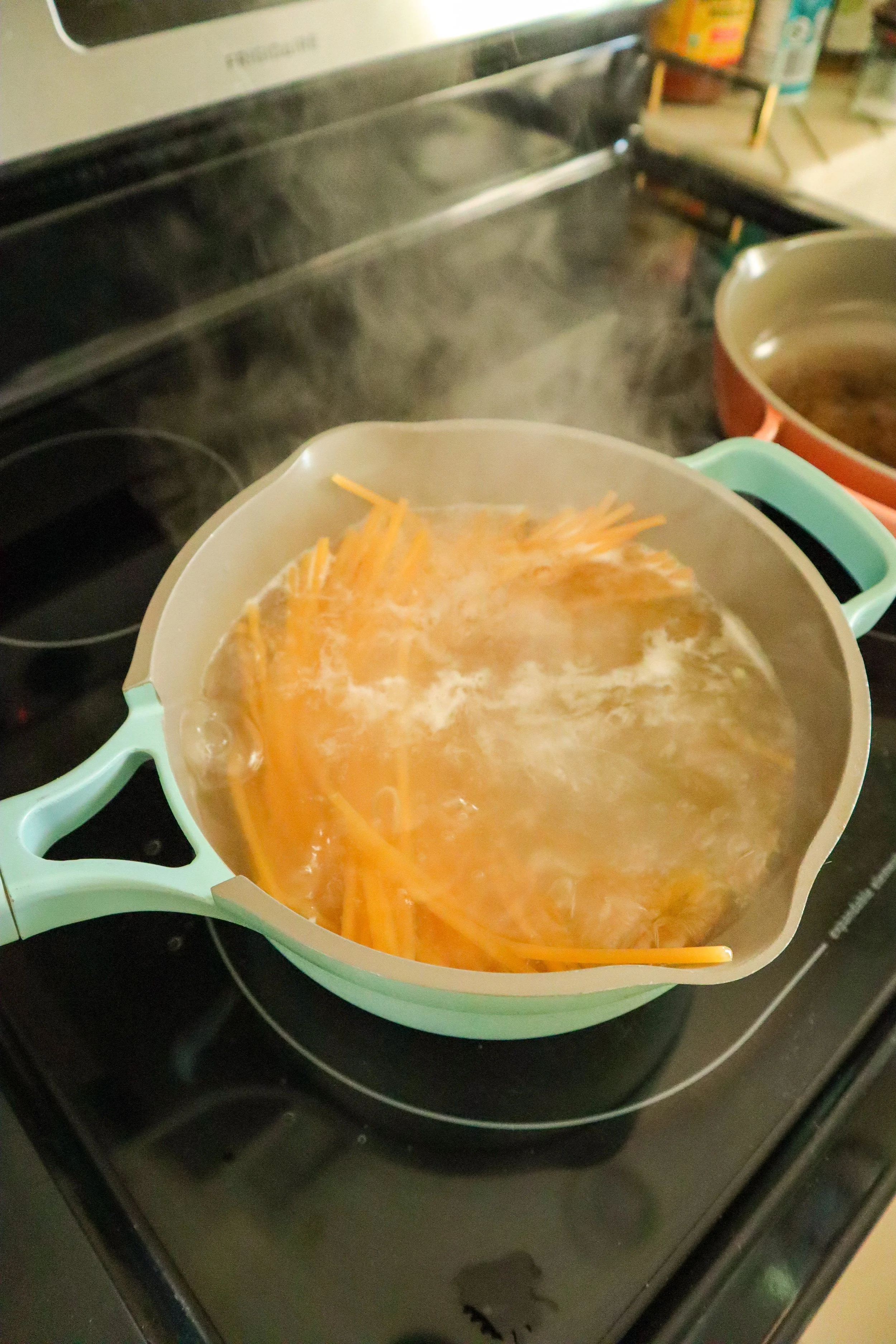
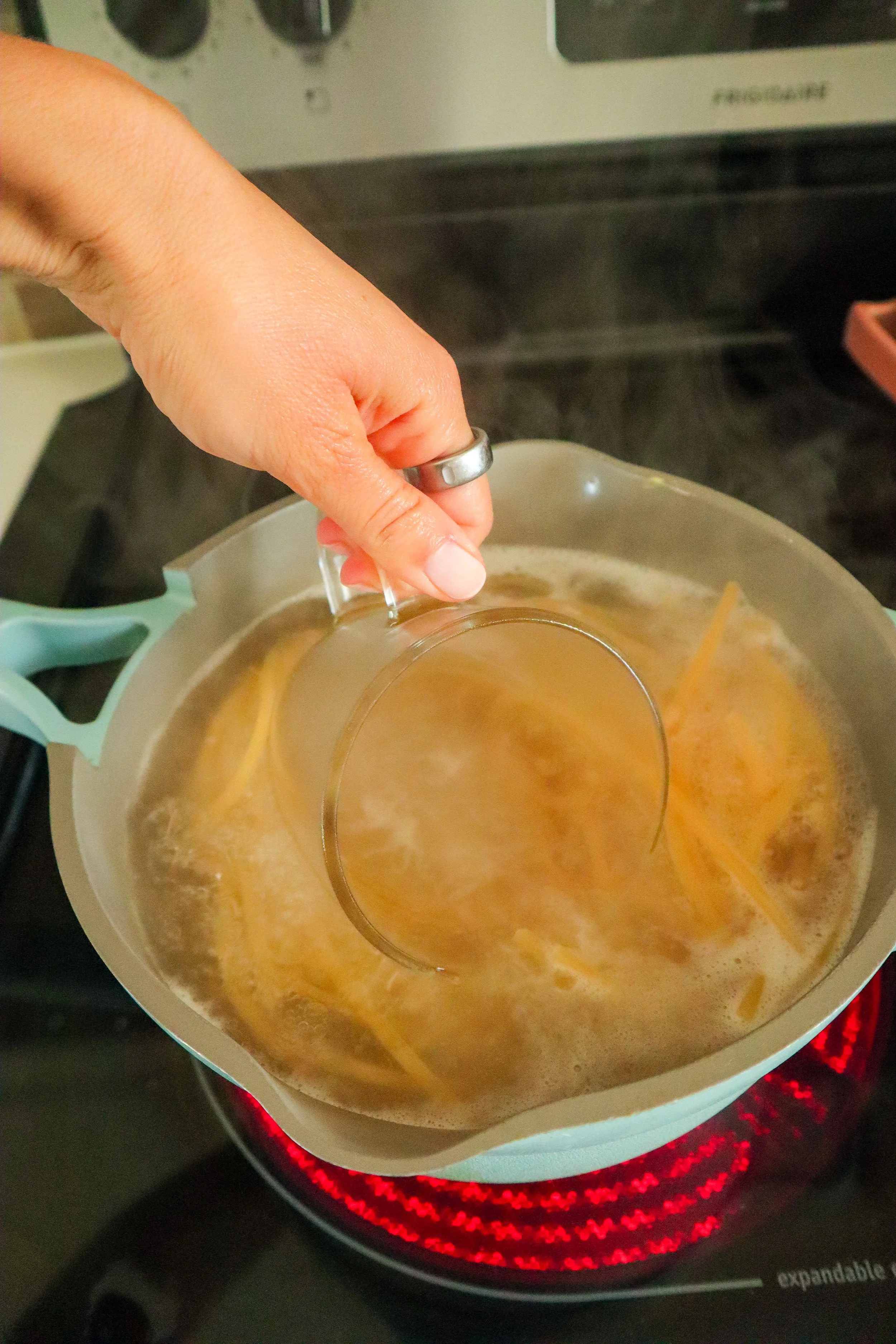
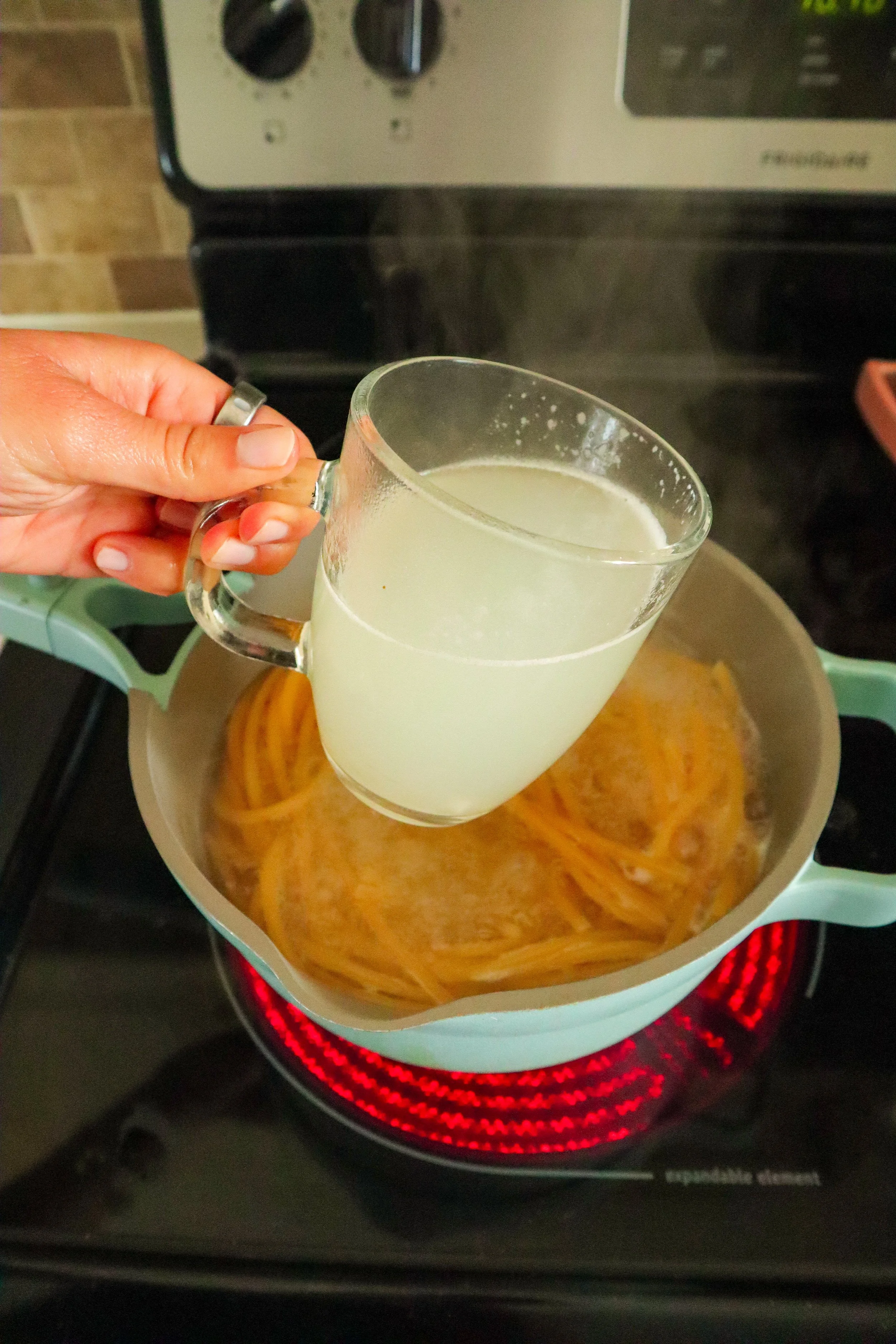
Bring a large pot of heavily salted water to a boil. Cook your pasta of choice according to package directions until al dente. Before draining, scoop out about 1-1/2 cup of pasta water in a coffee mug and set it aside. Drain the pasta.
Beginner Tip: "Al dente" means the pasta should have a tiny bit of bite to it - not mushy. Taste it a minute before the package says it's done. GF pasta can go from perfect to soft fast, so watch it.
Step 2: Build the Sauce
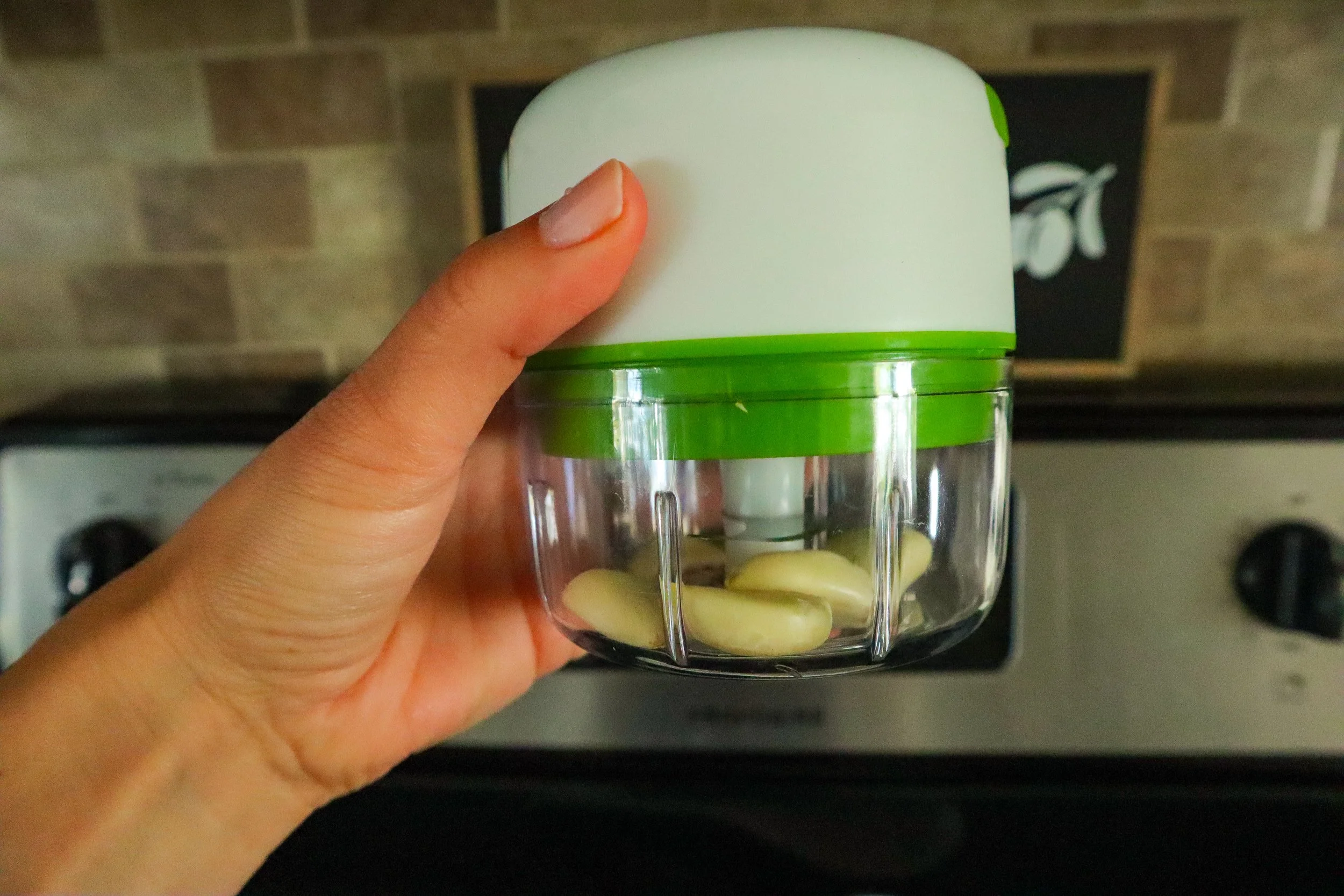
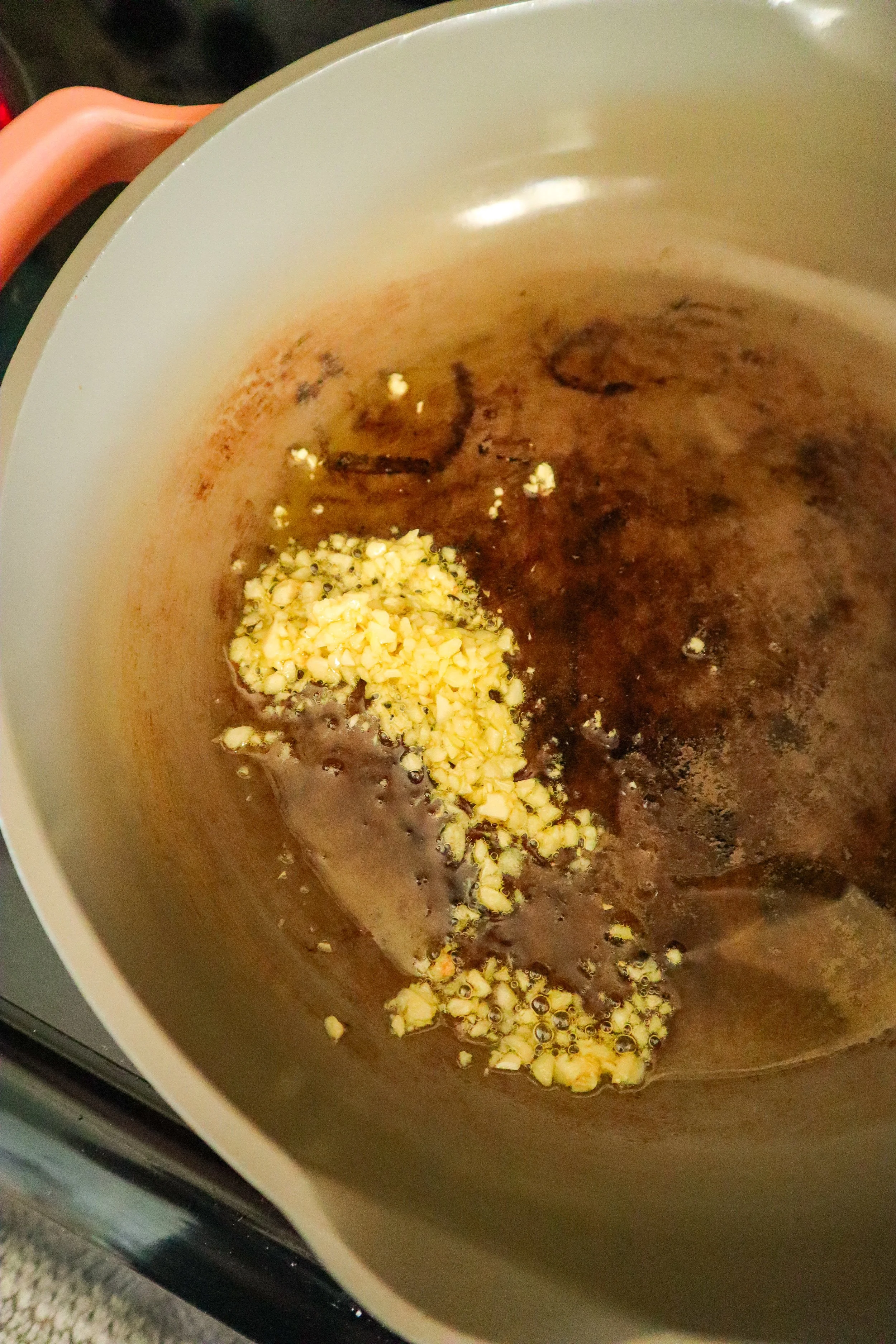
While the pasta cooks, heat the olive oil in a small pan over medium heat. Add the garlic cloves and let them sauté for about 60 seconds - you want them fragrant and just starting to turn golden, not brown.
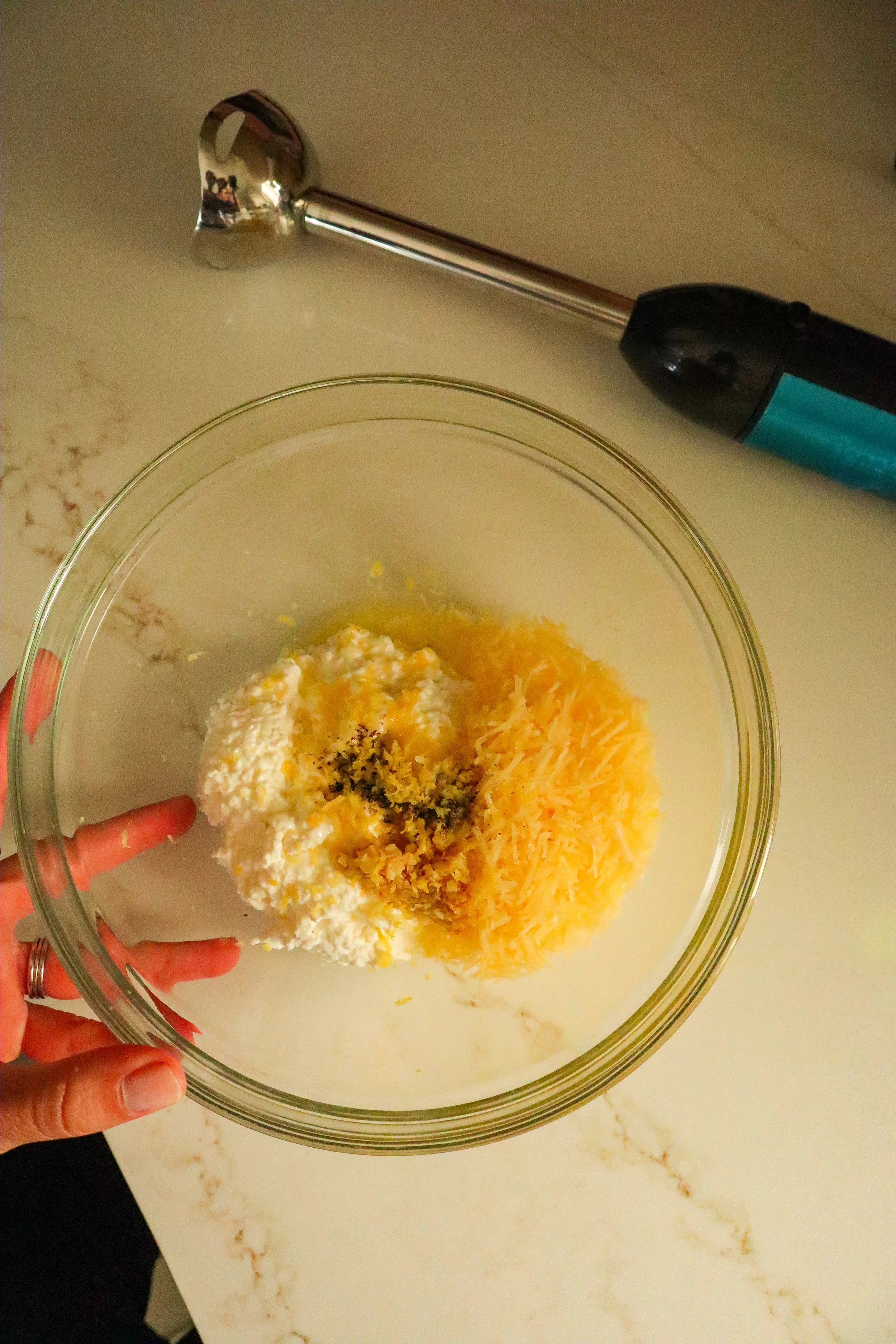
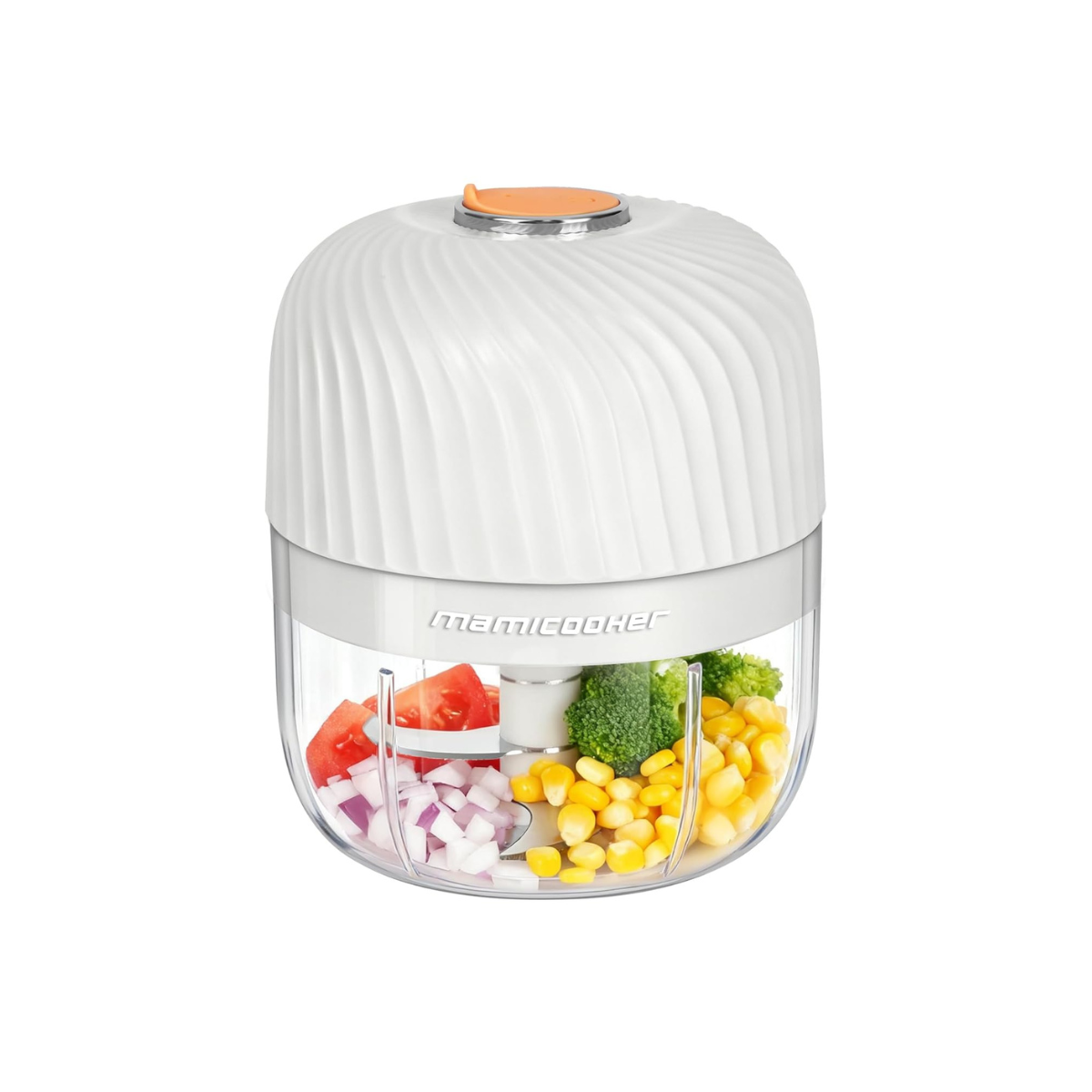
Add the sautéed garlic and oil directly to a blender. Add the cottage cheese, parmesan, lemon zest, lemon juice, salt, and pepper. Blend on high for 45-60 seconds until the sauce is completely smooth and creamy. If using an immersion blender, it’s a good time to add about ½ cup of the reserved pasta water to thin it out and make it pourable! It should look like a pourable Alfredo.
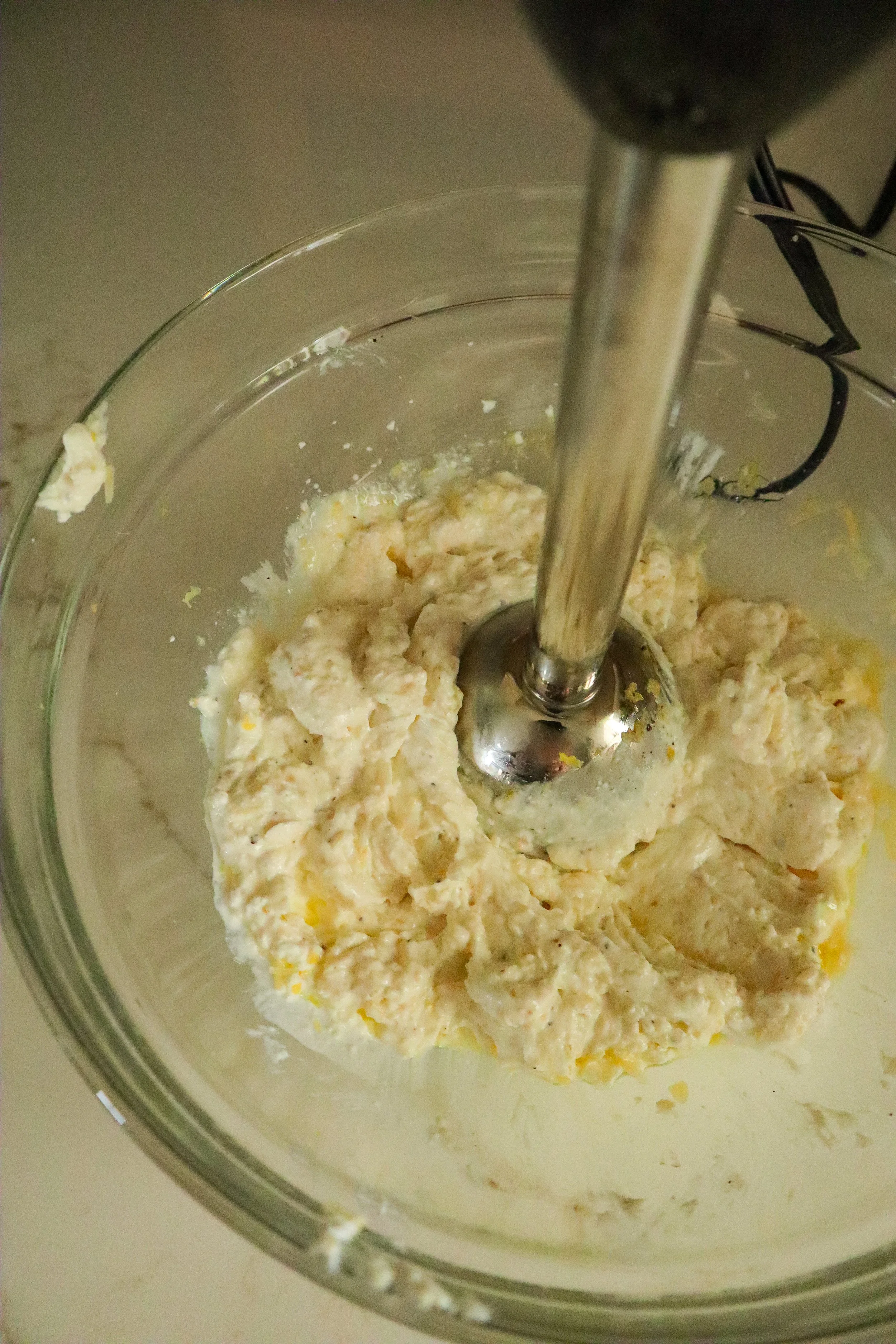
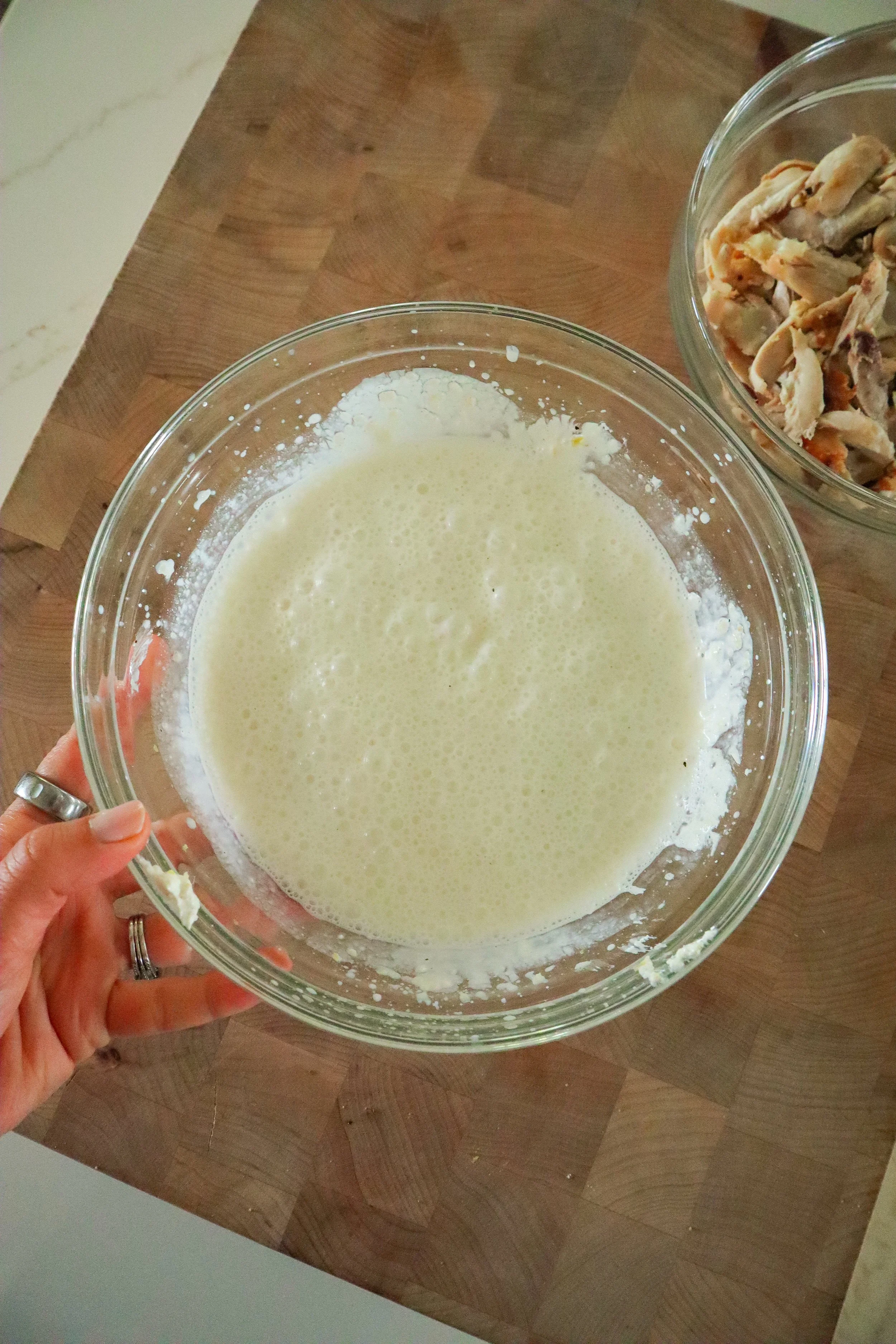
Beginner Tip: Don't skip the blender. This is what transforms cottage cheese from lumpy to silky. A high-powered blender works best, but a regular one gets the job done - just blend a bit longer.
Step 3: Bring It Together
Pour the blended sauce into the pot you cooked the garlic in (residual heat is your friend here). Add the drained pasta and toss to coat. If the sauce feels too thick, add the reserved pasta water a splash at a time and toss until you hit the consistency you want.
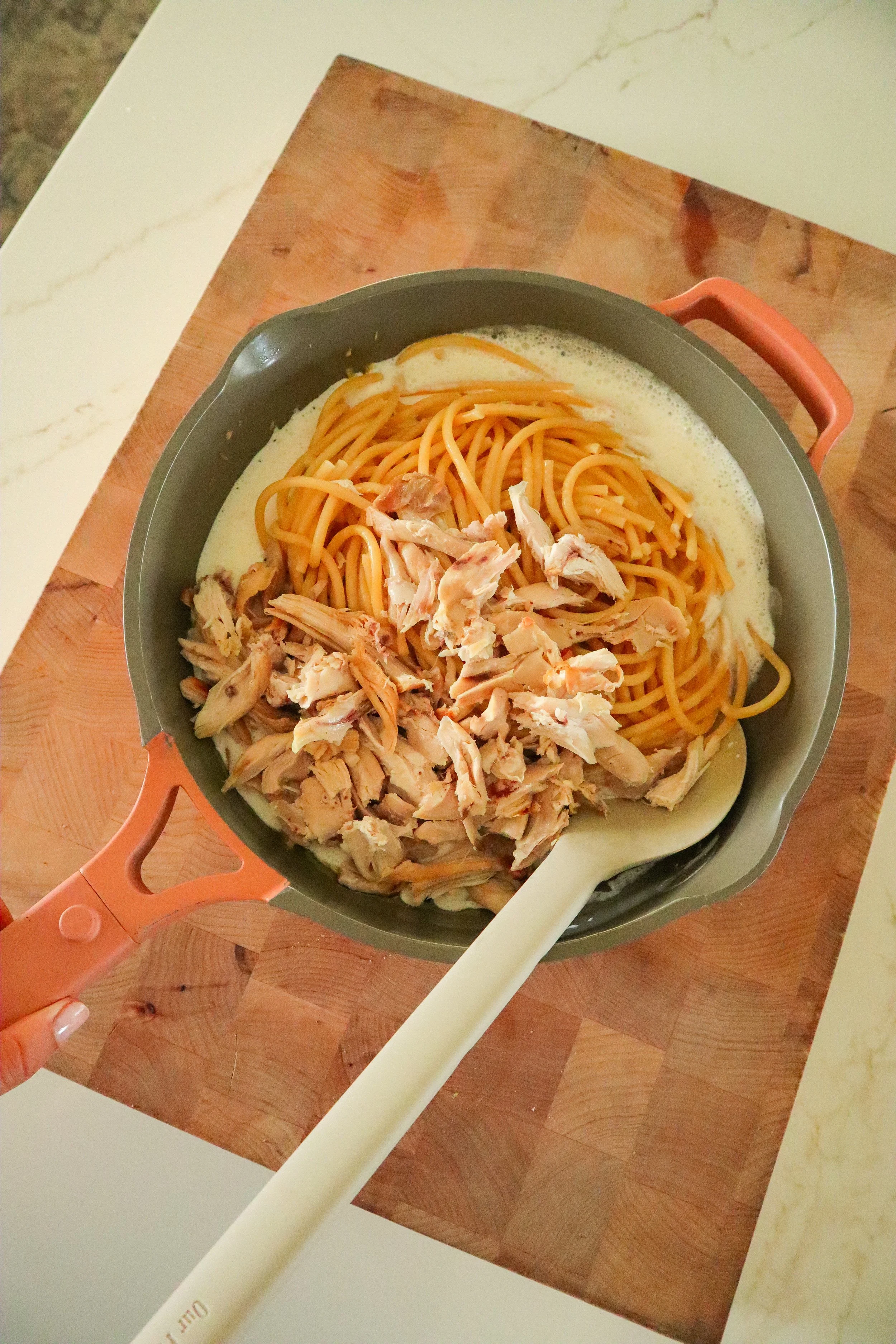
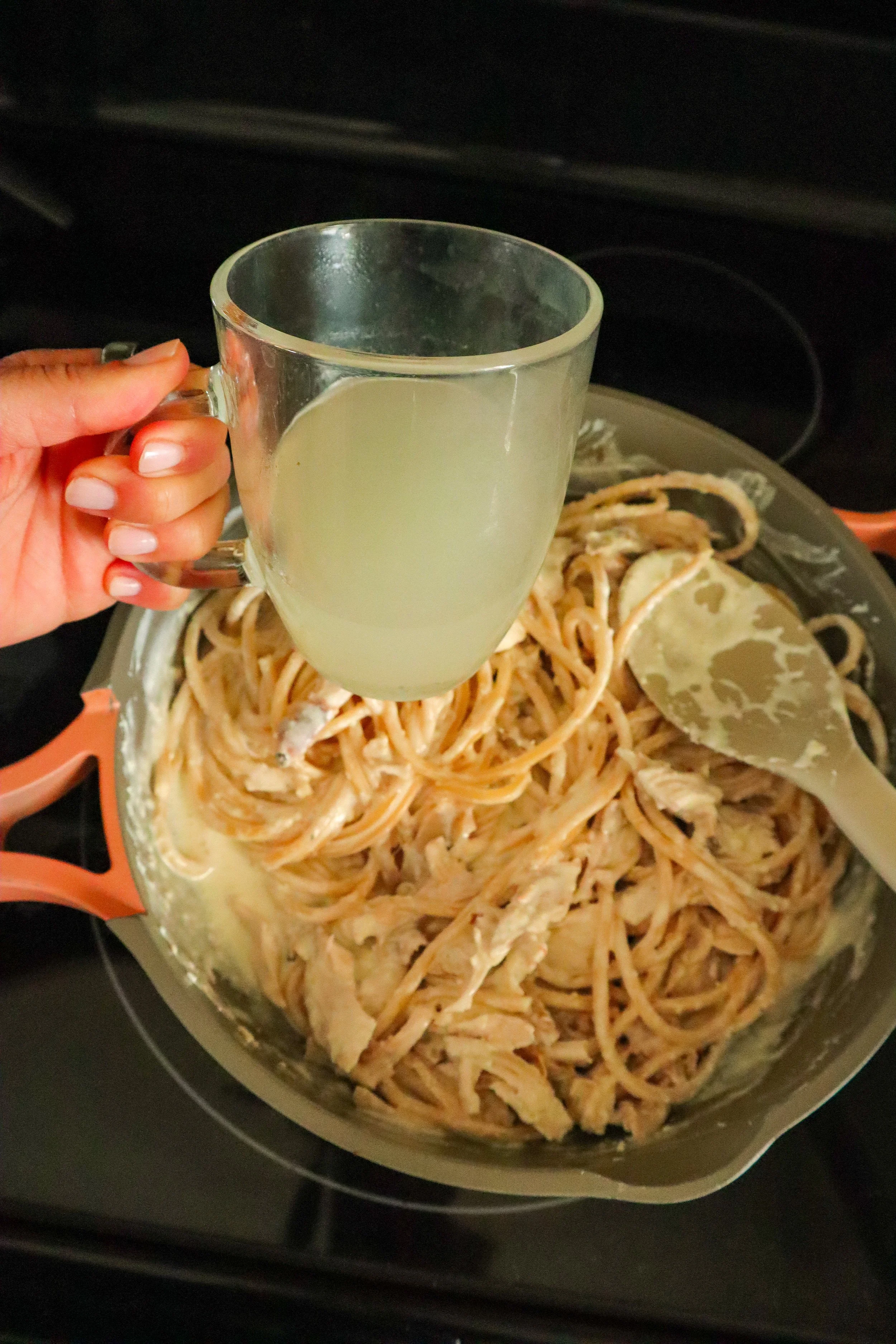
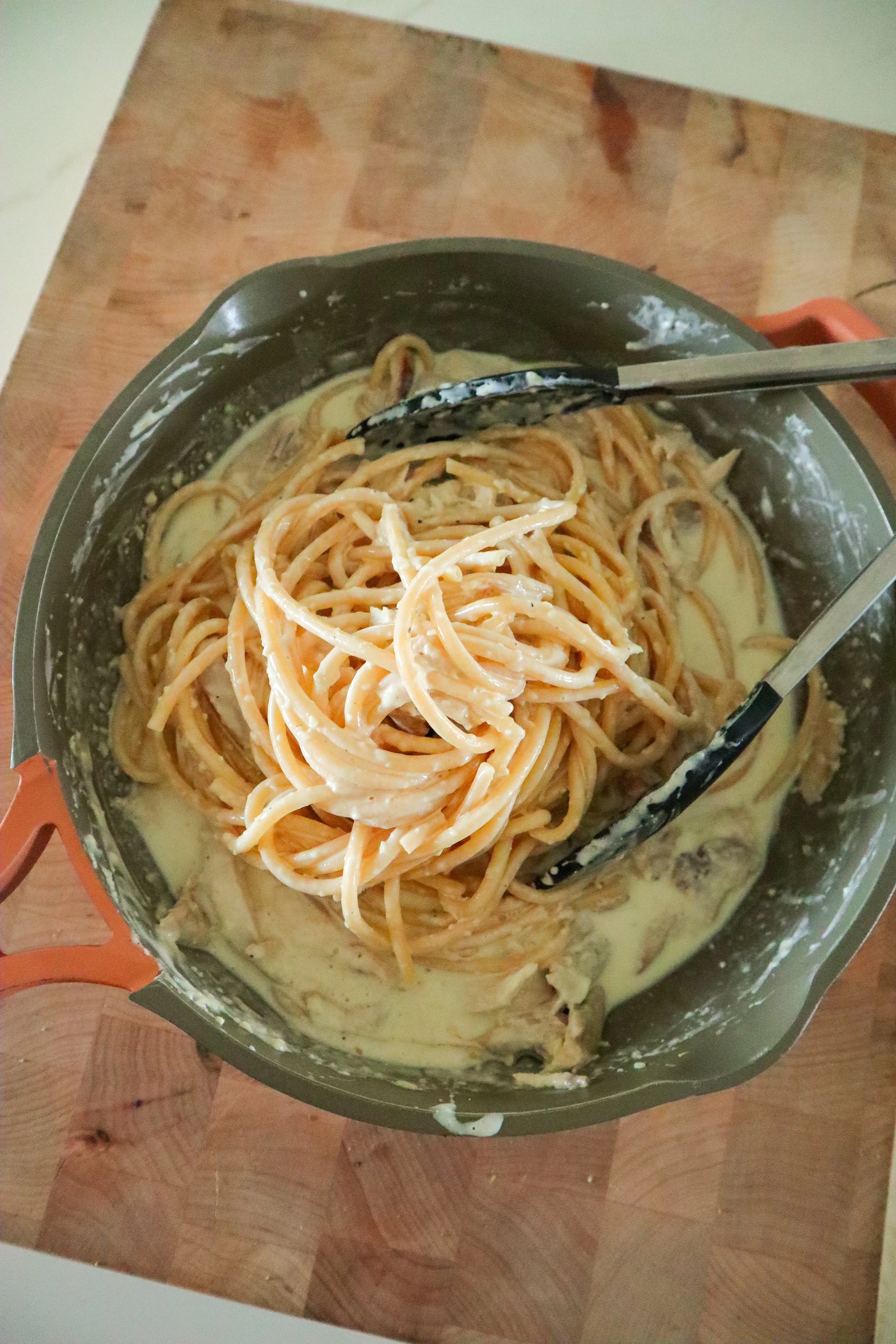
Add the shredded rotisserie chicken and toss again. The chicken just needs to warm through - 1-2 minutes over low heat. Taste and adjust salt if needed.
Step 4: Serve Immediately
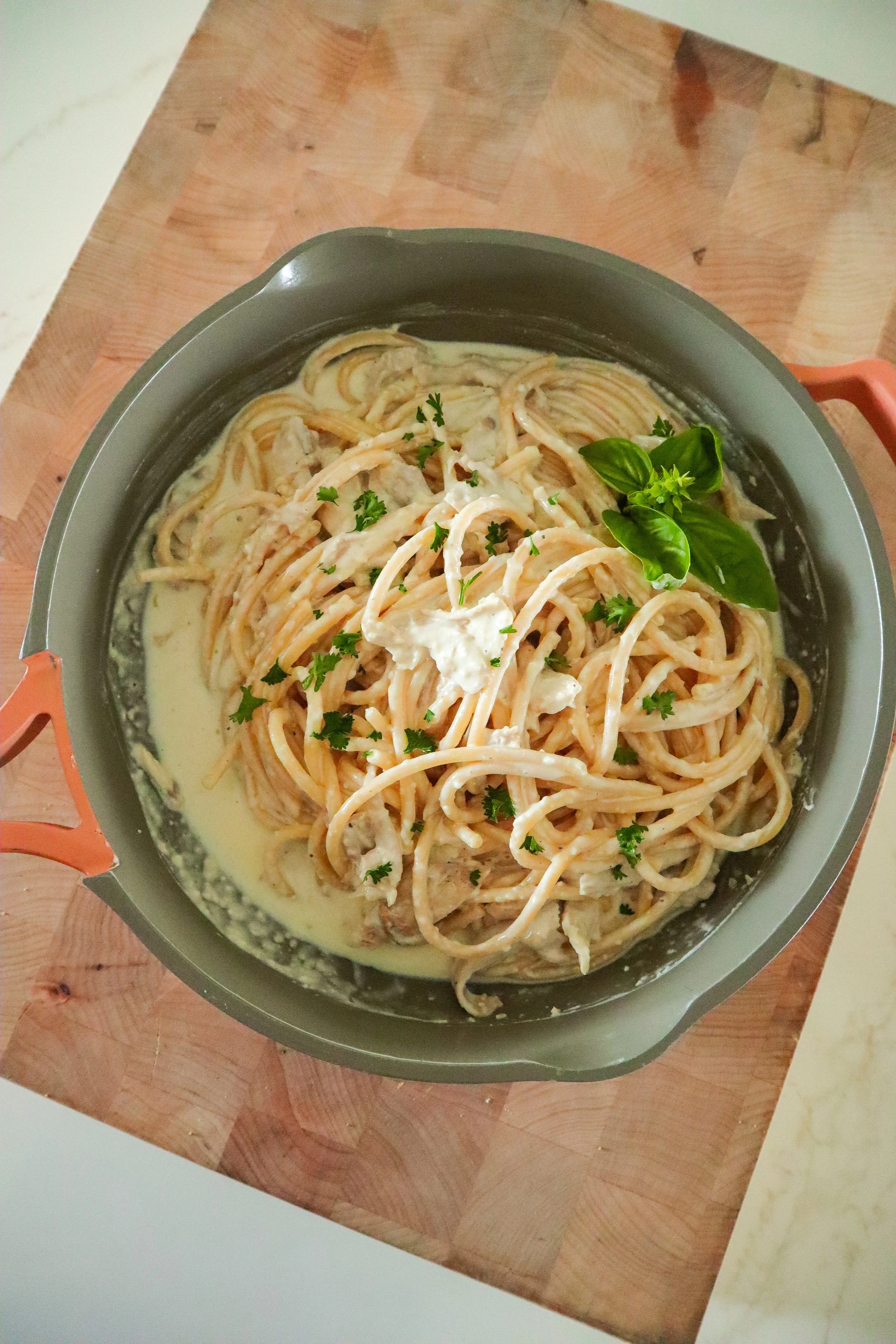
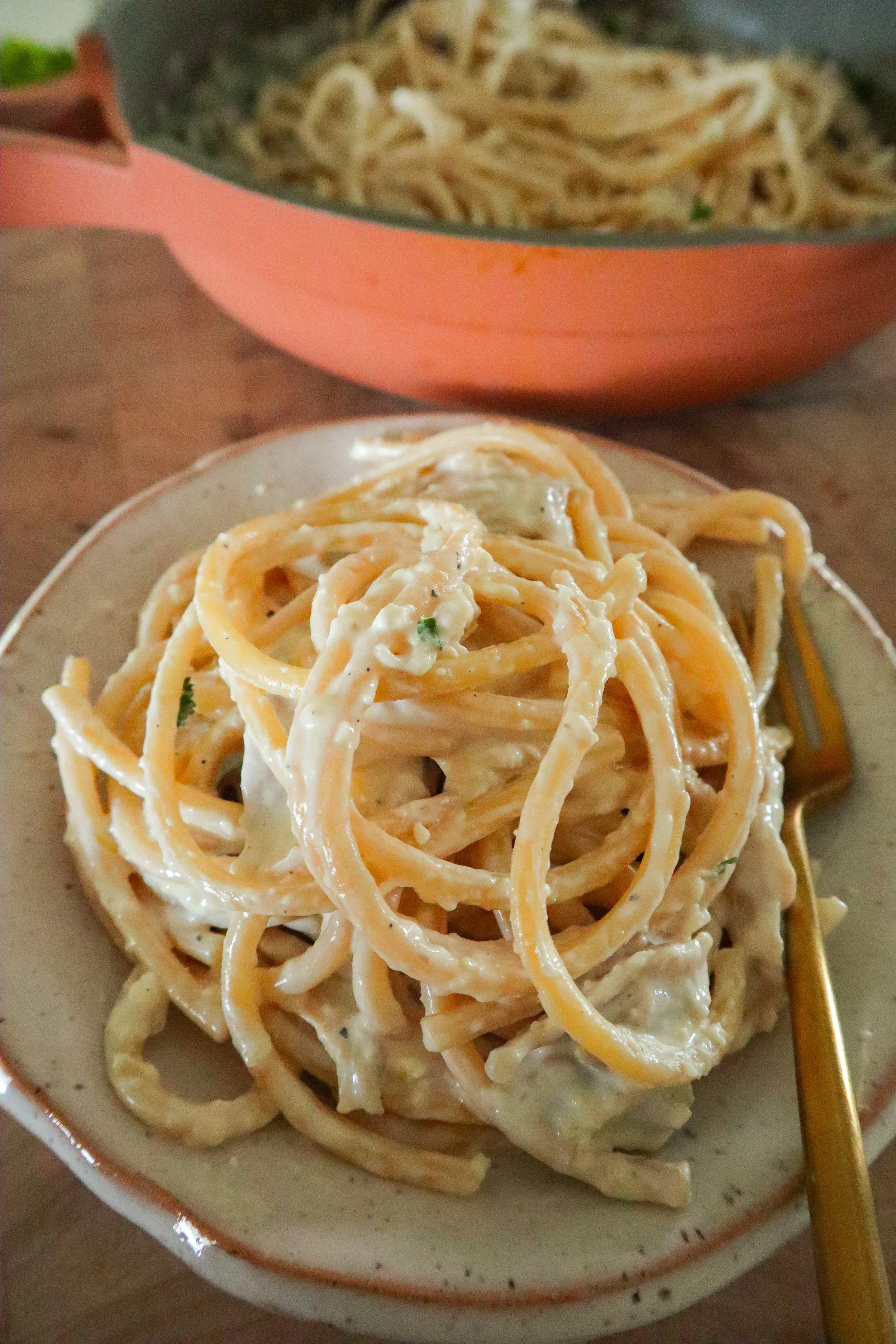
Alfredo-style sauces thicken as they sit. Serve right away. Top with extra parmesan, fresh parsley and fresh cracked black pepper if you want.
Estimated Nutrition (Per Serving)
Calories: about 520 to 560
Protein: about 44 to 48 grams
Fat: about 14 to 16 grams
Carbohydrates: about 48 to 55 grams
Note: These are estimates and will vary based on specific brands and chicken weight. Use a nutrition tracker for precise numbers.
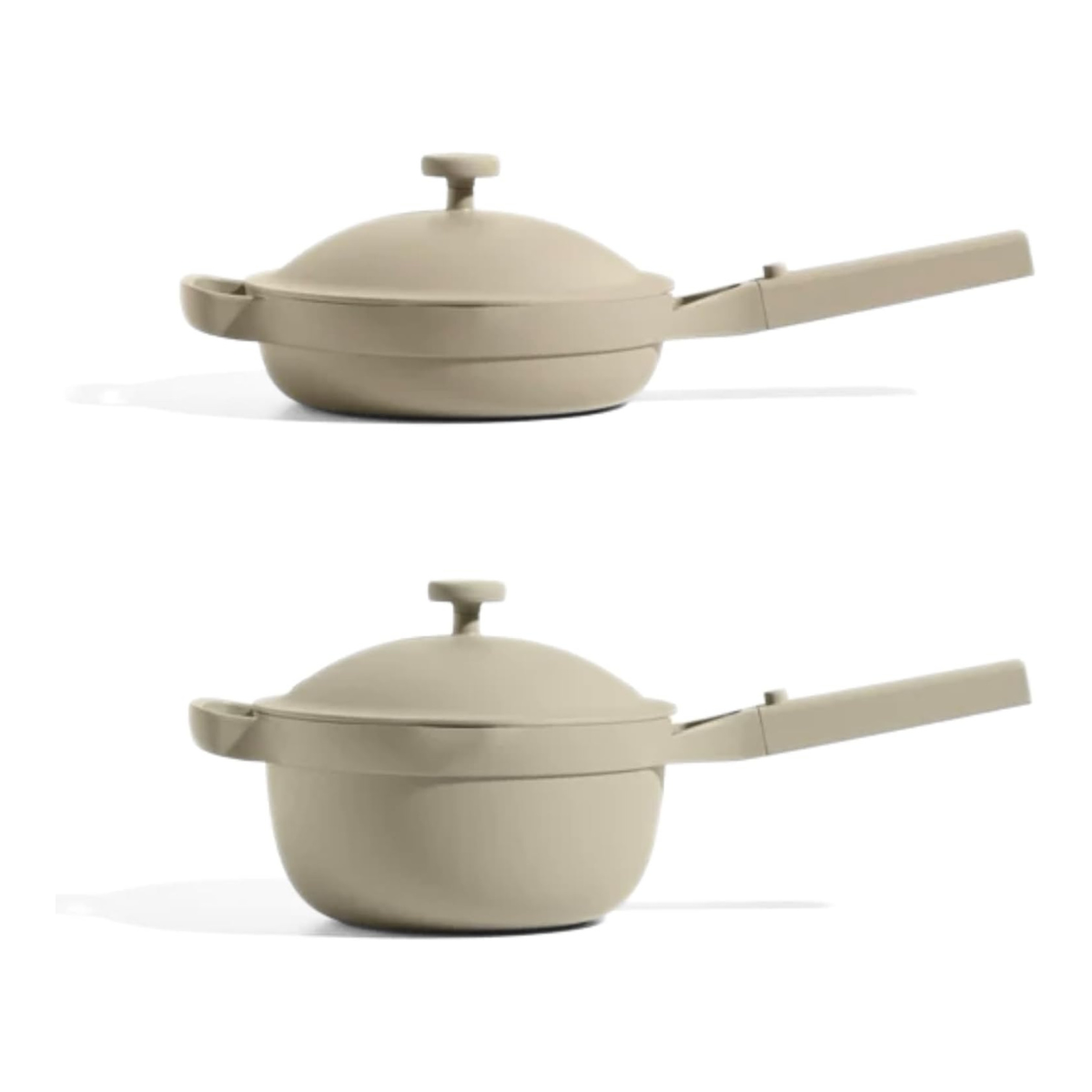
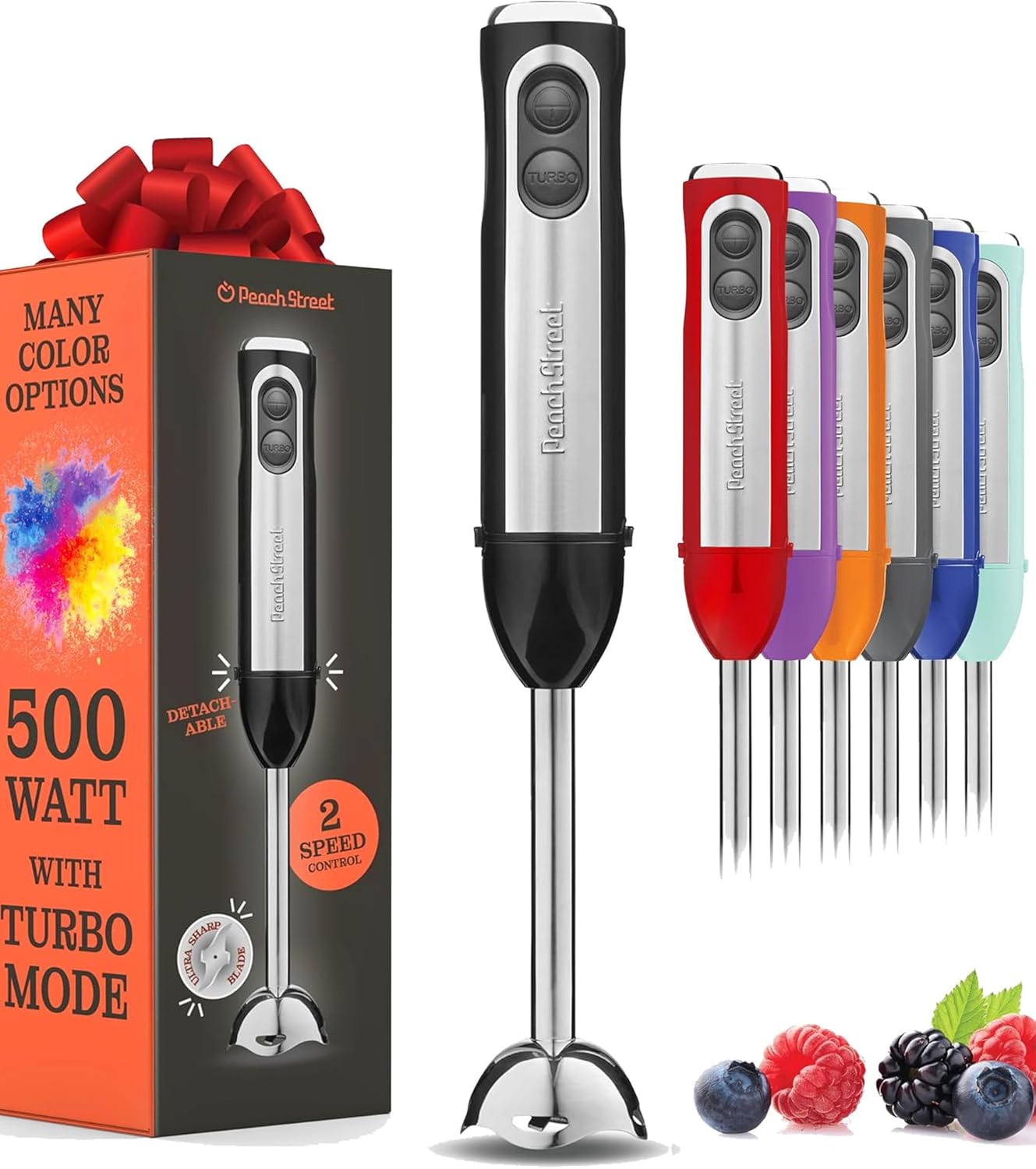
Kitchen Tools I Use in This Recipe
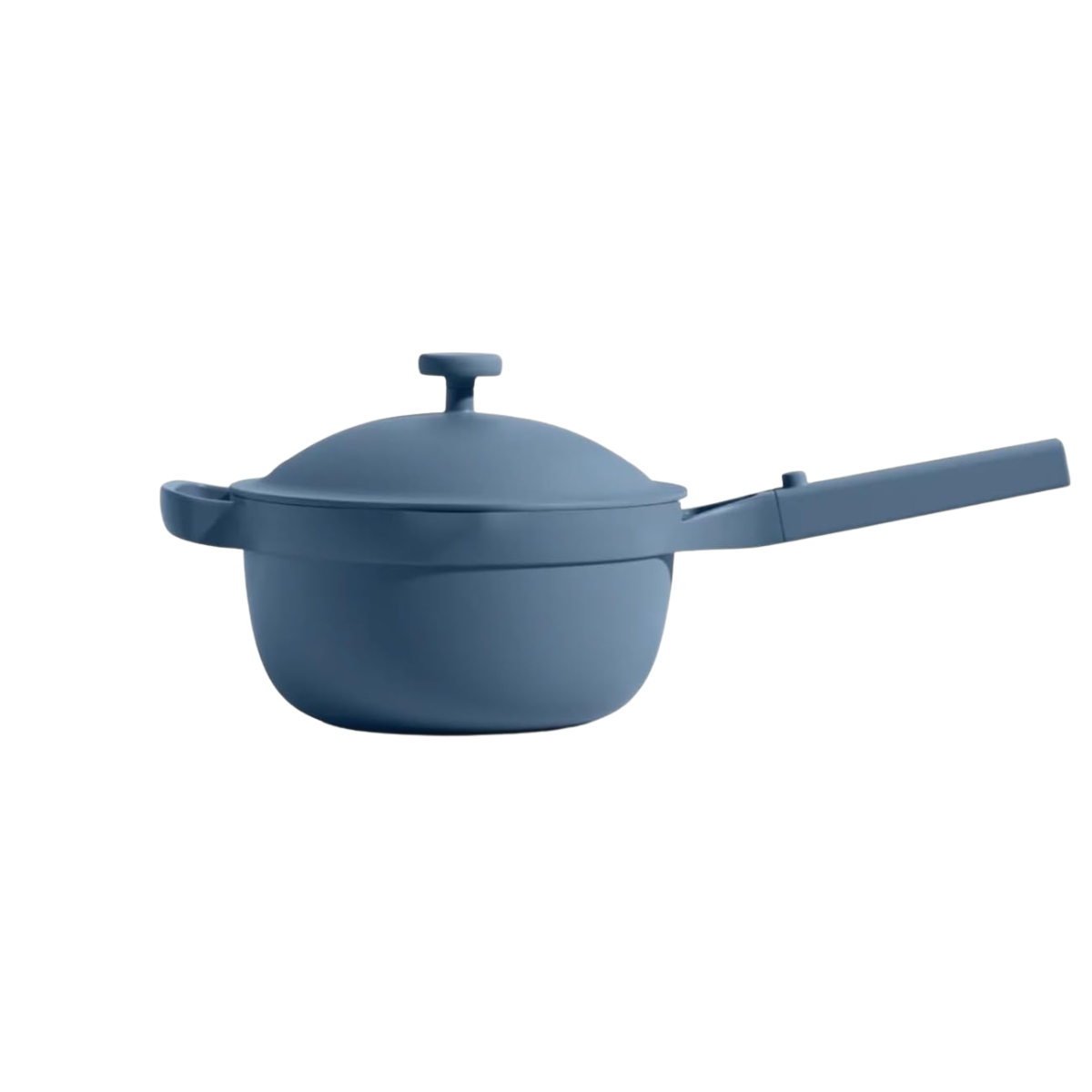
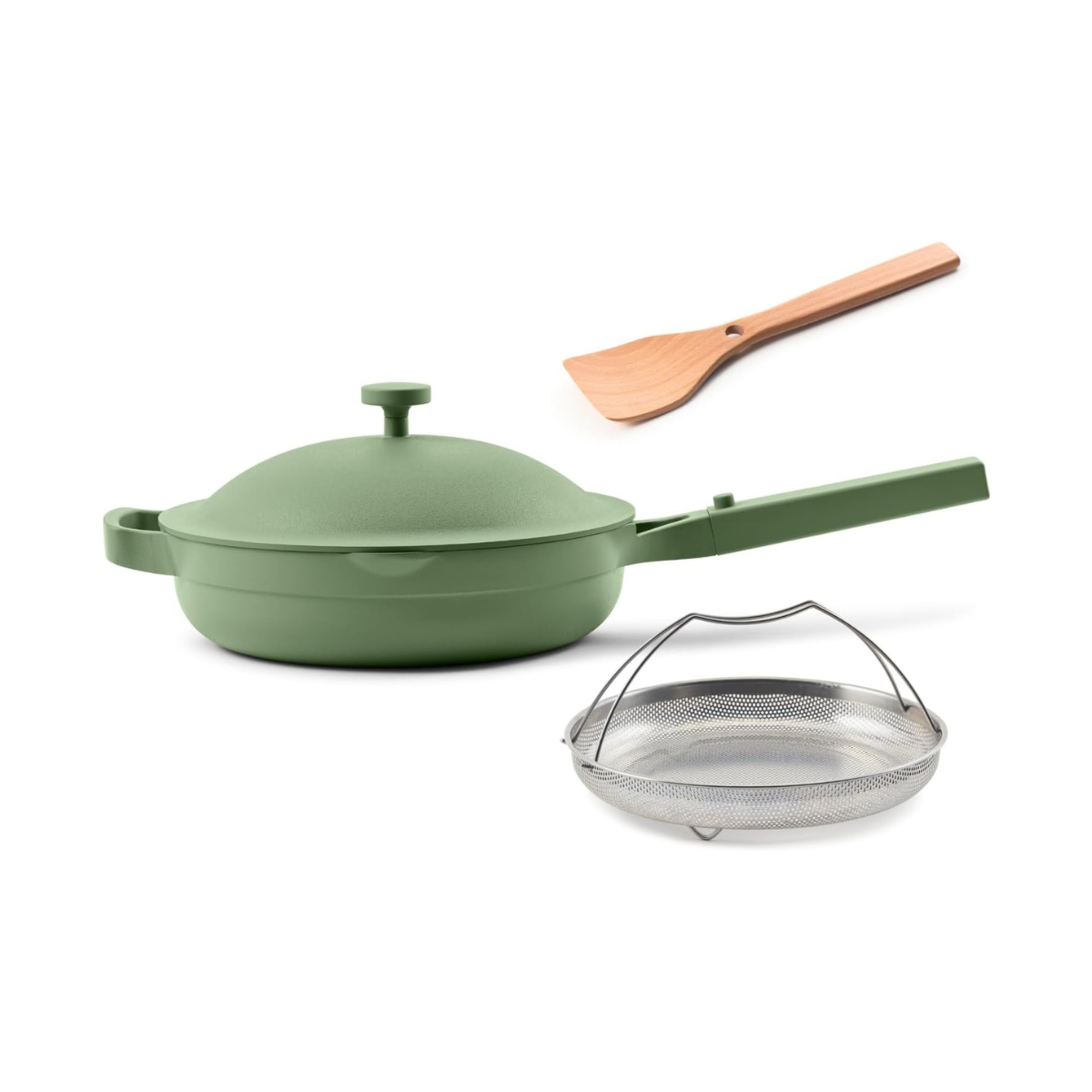
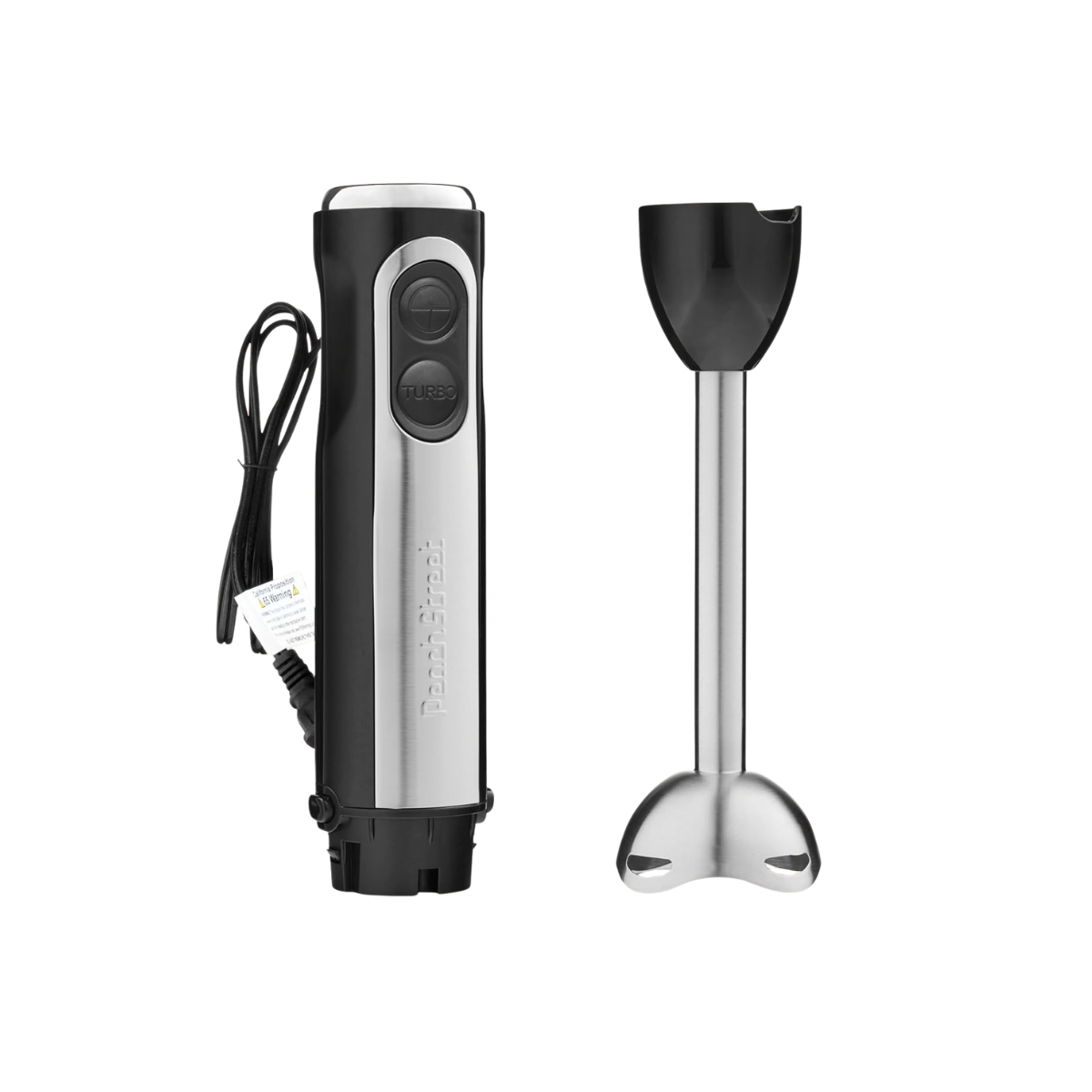
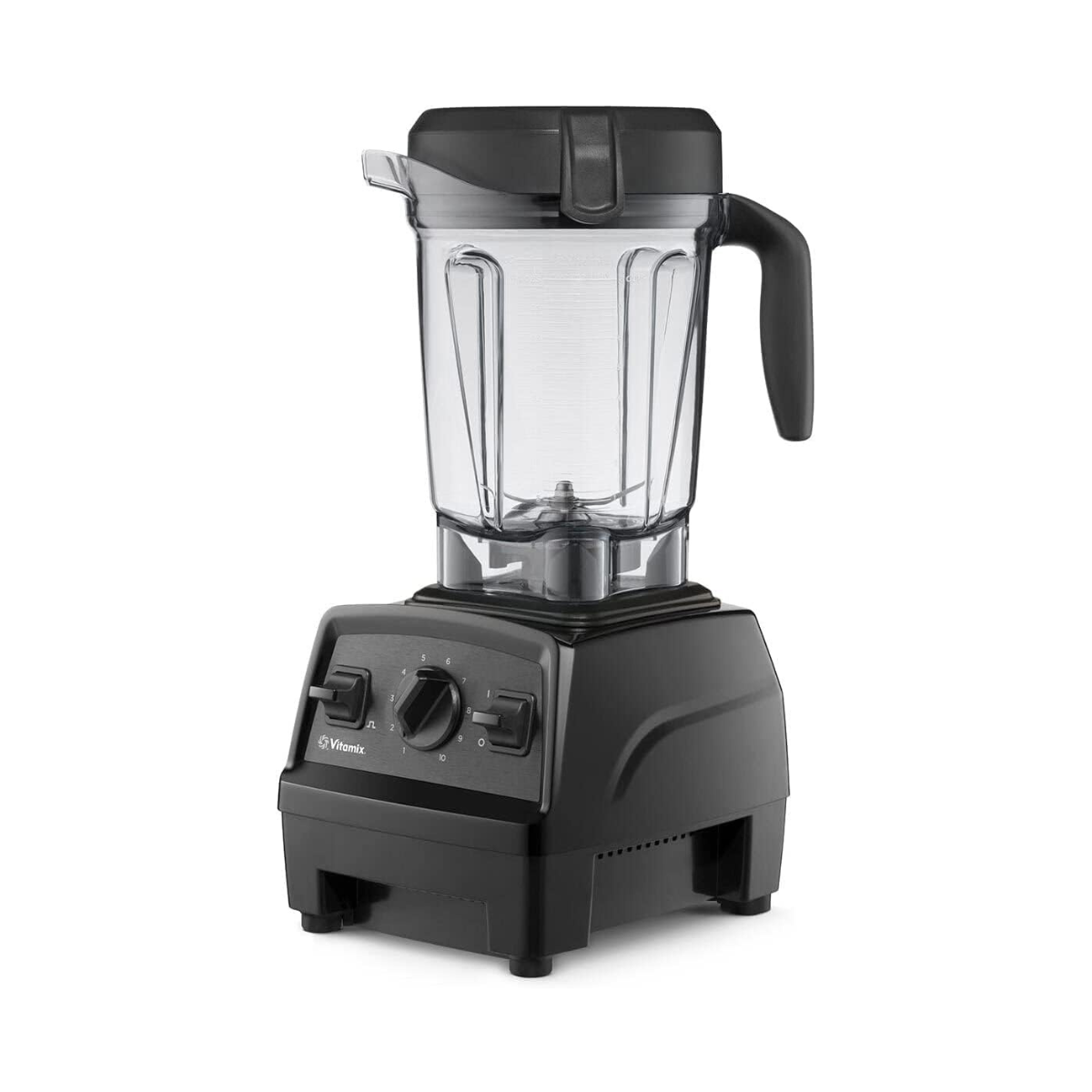
Chef Jazz’s Tips for Beginners
Salt your pasta water until it tastes like the ocean. This is how pasta gets flavor from the inside out.
Don't rinse the pasta after draining. The starch on the outside helps the sauce cling.
The sauce thickens fast once it hits the pasta. Work quickly and keep a splash of pasta water nearby.
If your blender isn't high-powered, blend the cottage cheese alone first before adding everything else. It gets smoother faster.
Rotisserie chicken from the store is already fully cooked. You're just warming it, overcooking it makes it stringy and dry.
Taste as you go. The parmesan adds salt, so hold off on extra seasoning until after the sauce is blended.
Substitutions and Swaps
Dairy-Free Version
This one takes a bit more creativity since both the cottage cheese and parmesan are dairy:
Swap cottage cheese for silken tofu (blends just as smooth, similar protein content)
Use nutritional yeast in place of parmesan, start with ¼ cup and adjust to taste. It gives a similar nutty, savory depth.
Add a teaspoon of white miso paste for extra umami to replace what you lose from the parmesan.
Gluten-Free
This recipe is already written gluten-free with gluten free pasta. Just confirm your rotisserie chicken isn't seasoned with soy sauce or other gluten-containing ingredients, most plain rotisserie chickens are naturally gluten free.
Pasta Options
Zucchini noodles: significantly lower carb, but squeeze them in a towel first to remove moisture or the sauce will water down
Chickpea or lentil pasta: even higher protein, slightly nuttier flavor, works very well here
Regular pasta: works perfectly if gluten isn't a concern for your family
Other Protein Options
Grilled shrimp (cook 2 minutes per side, add at the end)
Canned tuna or salmon in a pinch, stir in at the end, don't cook
Baked or pan-seared chicken breast if you don't have rotisserie
Leave the chicken out entirely for a vegetarian version, it's still very high protein from the cottage cheese and parmesan
5 Ways to Use This Recipe
This sauce works beyond pasta.
Meal prep bowls. Make the sauce and chicken ahead. Cook fresh pasta the day of. The sauce keeps in the fridge for 4 days.
Stuffed baked potato. Pour the chicken and sauce over a baked russet potato. Completely different meal, same 5-minute sauce.
White pizza sauce. Spread the blended sauce on a pizza base instead of red sauce, top with chicken and mozzarella.
Pasta bake. Toss assembled pasta into a baking dish, top with extra parmesan, broil for 5 minutes until the top is golden.
Sauce for veggie dipping. Thin the sauce with a little water and serve as a dip for raw veggies or roasted broccoli. Kids love it.
Best Way to Reheat Alfredo Pasta
Alfredo sauce thickens a lot once it cools, especially a cottage cheese Alfredo sauce like this one. The key to bringing it back is adding a little moisture while reheating.
The best way to reheat Alfredo pasta is:
Add a splash of water or chicken broth before reheating
Warm it in a pan over low heat, stirring frequently
Or microwave in 60-second intervals, stirring between each round
If the sauce looks too thick or slightly clumpy, that is normal. Just add a little more liquid and keep stirring. It will loosen back into a smooth, creamy sauce.
Avoid high heat. That is what causes Alfredo sauce to separate and lose its texture.
How Long Does Alfredo Pasta Last in the Fridge
When stored properly in an airtight container, Alfredo pasta will last:
Up to 4 days in the fridge
After that, the texture starts to change and the pasta can become too soft.
If you want this recipe to last longer, you can store the sauce separately from the pasta. The sauce freezes well for up to 2 months, but fully mixed pasta does not freeze as well once it is coated.

FAQs
-
No. Once it's blended with parmesan, garlic, and lemon, the cottage cheese flavor completely disappears. What you're left with is creamy, savory, and slightly tangy in the best way. I've made this for people who are convinced they hate cottage cheese and they've asked for seconds.
-
Yes, for the best result. Low-fat cottage cheese has more water and less fat, which means a thinner, less creamy sauce. The fat is what gives it that Alfredo-like richness. Don't shortchange it here.
-
Yes. A food processor works well. An immersion blender in a deep cup also works, though it takes a bit longer to get fully smooth. What doesn't work: a fork or a whisk. The curds in cottage cheese won't break down without a machine.
-
Absolutely. Blend the sauce and store it in the fridge for up to 4 days. When you're ready to eat, cook your pasta, warm the sauce in the pot, and toss. Dinner is done in 15 minutes flat.
-
Add the reserved pasta water, one splash at a time, while tossing the pasta. Pasta water is starchy, which means it thins the sauce without watering it down, it actually helps it cling to the pasta better. This is a real technique, not a shortcut.
-
My toddler eats this without complaint. And my daughter specifically requests it. If your kids are sensitive to strong flavors, skip the lemon zest and use just a tiny squeeze of juice. The garlic is mellow once sautéed, but you can reduce it to one clove if needed.
-
Yes. Any pasta shape works. Short shapes like rigatoni, penne, or rotini hold the creamy sauce in their ridges nicely. Fettuccine is classic for Alfredo, but this sauce is flexible.
This is the kind of recipe that fits real life. It is fast, high protein, and genuinely satisfying. It tastes like comfort food and still supports your goals.
It is also one of those meals that makes you feel like you figured something out. A simple way to cook food that is both nourishing and something your family actually wants to eat. If you make this, I would love to hear how it turned out!

High Protein Chicken Alfredo (30 Minute Recipe)4
This high protein chicken Alfredo is creamy, easy, and ready in 30 minutes. Made with cottage cheese and rotisserie chicken, it packs 45g of protein per serving and tastes like classic Alfredo.
Ingredients
- 1 cup full-fat cottage cheese
- ¾ cup grated parmesan cheese
- Zest and juice of ½ lemon
- 1 tablespoon olive oil
- 4 cloves garlic
- ¼ teaspoon salt
- ¼ teaspoon black pepper
- 12 oz gluten-free fettuccine
- 3 cups shredded rotisserie chicken (roughly half a chicken)
- Reserved pasta water, as needed
Instructions
- Bring a large pot of heavily salted water to a boil. Cook your pasta of choice according to package directions until al dente. Before draining, scoop out about 1-1/2 cup of pasta water in a coffee mug and set it aside. Drain the pasta.
- While the pasta cooks, heat the olive oil in a small pan over medium heat. Add the garlic cloves and let them sauté for about 60 seconds - you want them fragrant and just starting to turn golden, not brown.
- Add the sautéed garlic and oil directly to a blender. Add the cottage cheese, parmesan, lemon zest, lemon juice, salt, and pepper. Blend on high for 45-60 seconds until the sauce is completely smooth and creamy. If using an immersion blender, it’s a good time to add about ½ cup of the reserved pasta water to thin it out and make it pourable! It should look like a pourable Alfredo.
- Pour the blended sauce into the pot you cooked the garlic in (residual heat is your friend here). Add the drained pasta and toss to coat. If the sauce feels too thick, add the reserved pasta water a splash at a time and toss until you hit the consistency you want.
- Add the shredded rotisserie chicken and toss again. The chicken just needs to warm through - 1-2 minutes over low heat. Taste and adjust salt if needed.
- Alfredo-style sauces thicken as they sit. Serve right away. Top with extra parmesan, fresh parsley and fresh cracked black pepper if you want.







Customizable recipes built off of pantry staples – and everything only takes 30 minutes or less!