
31 Healthy Toddler Meal Ideas for Picky Eaters
I spent three years cooking for professional athletes, so I really thought feeding a toddler would be easy. I had this idea in my head that with my background in nutrition and years of experience in the kitchen, I would have it completely figured out.
I was wrong.
My daughter Olive has taught me more about feeding a picky eater than any formal training ever has. I am a nutritional therapist practitioner, I have studied food for most of my adult life, and I still find myself standing at the kitchen counter some nights completely stumped by a two-year-old who happily ate something yesterday and is now refusing it like it has personally offended her.
So this post is the real version. Not the Pinterest version, not the perfectly plated toddler meals you see online, but what actually works in a real home with a picky eater. I am going to share the meals Olive consistently eats, the strategies that have genuinely helped, how I get vegetables into her without a fight, and how I put together her lunch box without turning it into a project.
If you are here because you are searching “toddler meal ideas for picky eaters” at 5pm with nothing started, you are exactly where you need to be.
You might also like: Stokke Tripp Trapp High Chair Review, and Dagne Dover Indi Diaper Bag Backpack Review.
Tips for Making Kid-Friendly Meals Everyone Will Eat
Before we get into actual meals, I want to share the strategies that have genuinely changed how meal times feel in our house. These are not perfect-world ideas or things that only work on calm days. These are the practical tips I use every single day with a picky eater.
Ask Them What They Are in the Mood For
One of the simplest shifts that made a big difference was giving Olive a choice before I start cooking. I usually offer two or three real options like something cheesy, chicken, or something crunchy and snacky. She points, she chooses, and suddenly she is invested. The meal becomes something she picked, not something being handed to her, and that sense of control goes a long way with picky toddlers.
Let Them Help, Even When It Is Messy
This is the biggest change we made. Olive helps me cook almost everything. She stirs, pours, sprinkles, and yes, it is slower and there is more cleanup. But toddlers who help make the food are so much more likely to eat it. It turns food into something familiar and fun instead of something new. If you have a kitchen tower, this is where it really becomes your best friend, but even just letting them stand at the counter helps.
Stop Making Separate Meals
I used to do this, and it is not sustainable. Now I make one meal for the whole family and adjust it for Olive. Smaller pieces, simpler plating, less overwhelming portions. Same food, just presented in a way that works for her. It saves time and helps avoid creating the expectation that they can opt out of what everyone else is eating.
Give New Foods Multiple Chances
This one matters more than most people realize. Toddlers often need to see a food many times before they accept it. One refusal does not mean they do not like it. I keep putting those foods on Olive’s plate without pressure, without commentary, and without turning it into a moment. Over time, she tries things on her own.
Focus on Finger Foods and Interaction
Toddlers love food they can pick up, dip, or explore. The format of the food can make a huge difference in whether it gets eaten. Even something as simple as adding a dipping sauce or cutting food into fun shapes can turn it into a more approachable and engaging experience for little hands.
Repeat the Wins
When something works, I keep it in rotation. You do not need a brand new meal every night to be doing a good job. Having a handful of easy toddler meals you know your child will eat is a huge relief during busy weeks. Familiarity builds confidence, and from there it becomes easier to introduce new foods without turning meal times into a struggle.
31 Healthy Toddler Meal Ideas for Picky Eaters
These are the meals that actually get eaten in our house. Most of them come together in under 30 minutes, use simple ingredients I always keep stocked, and work for the whole family with minimal adjustments.
Breakfast
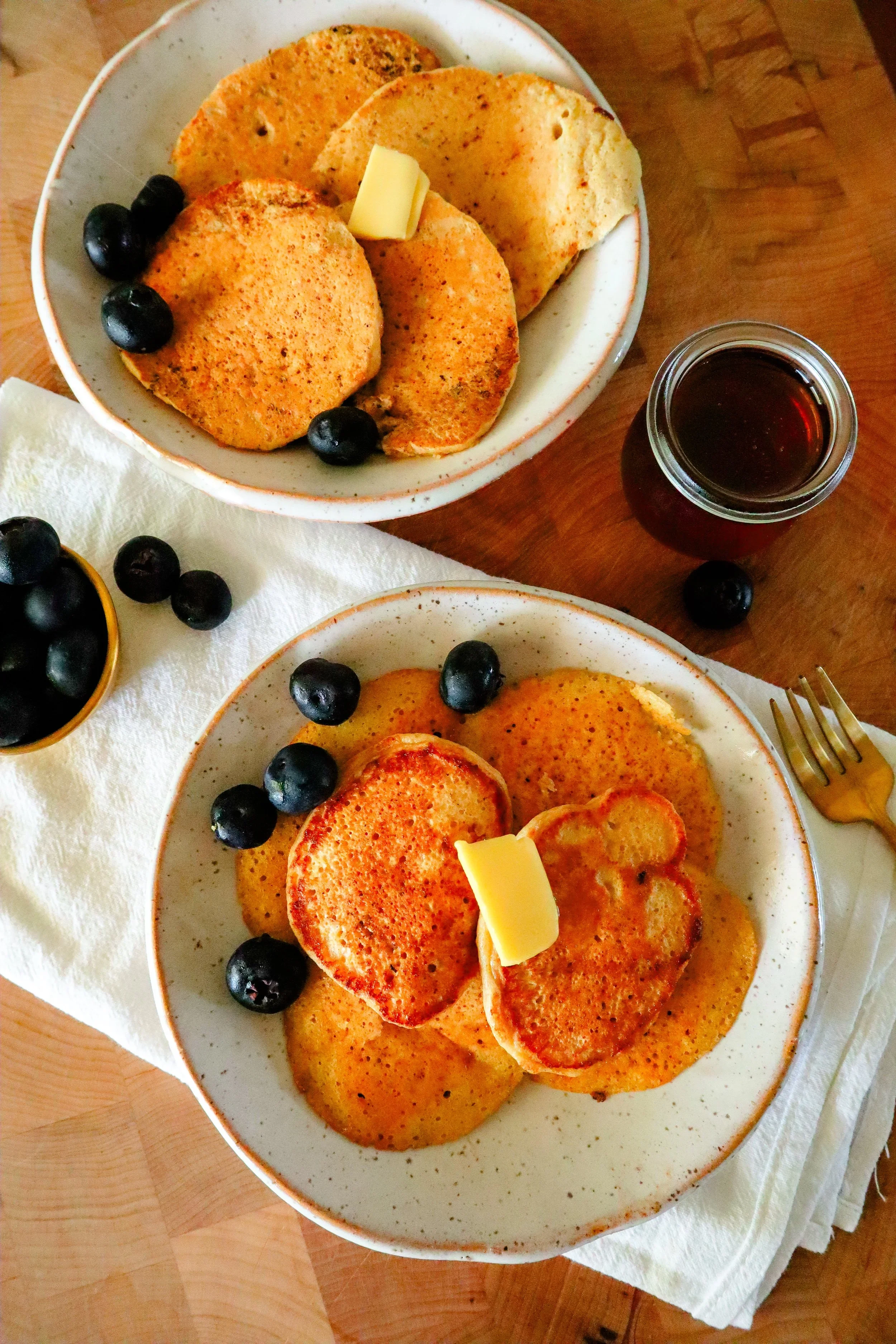
This is one of my favorite recipes for getting plenty of protein into a picky eater first thing in the morning. The ingredient list is simple: cottage cheese, eggs, and oats, which means you are getting protein, healthy fats, and fiber in one bite. There is no added sugar in the batter, so it keeps energy stable instead of spiking and crashing. I serve these with fresh fruit and a drizzle of maple syrup, and it feels like a treat while still being a really balanced way to start the day.
Air Fryer French Toast Sticks
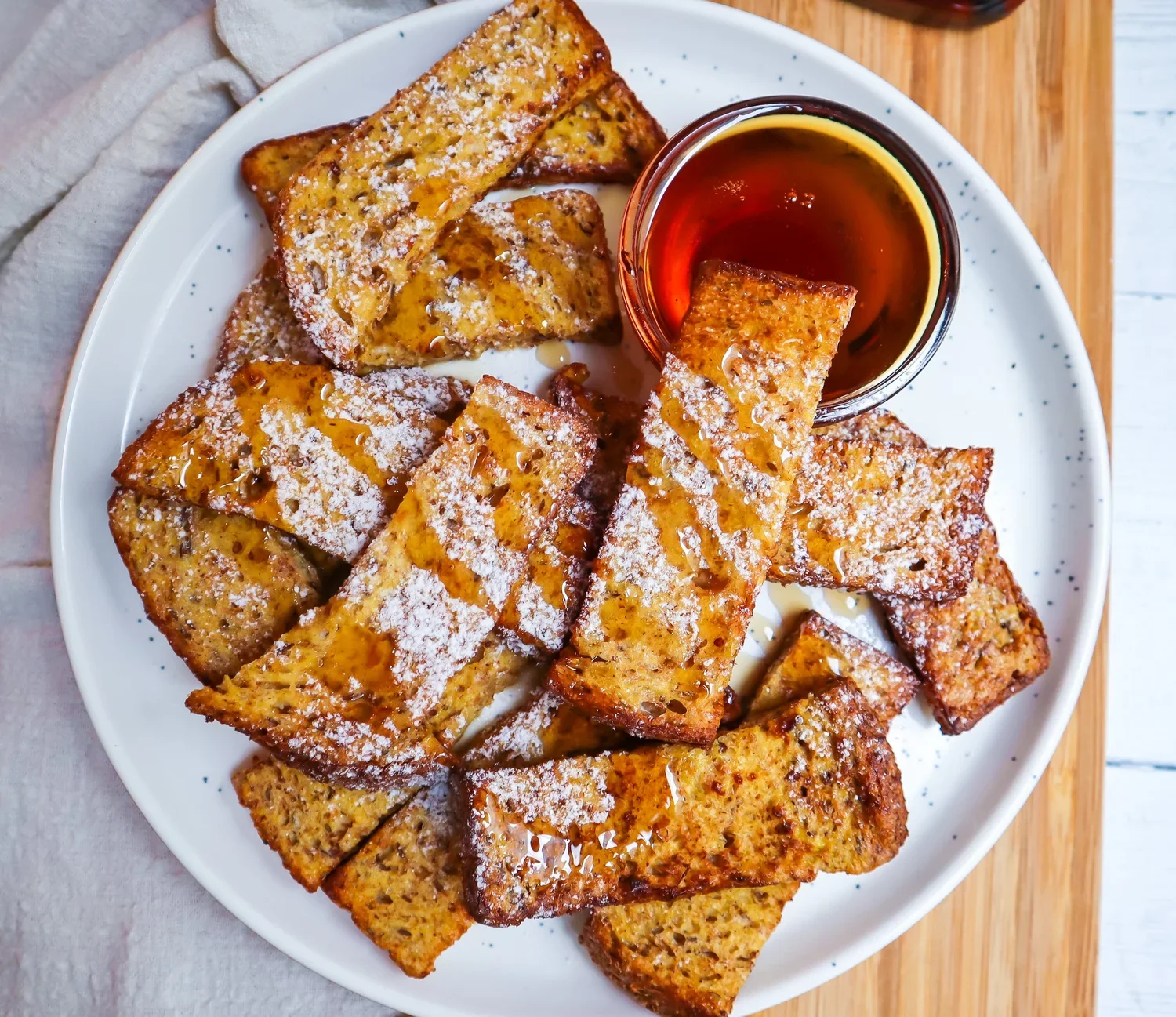
French toast cut into strips is such a simple shift, but it makes this meal so much more toddler-friendly. The air fryer gives the outside a slightly crispy texture while keeping the inside soft, which picky eaters tend to love. The finger-food format makes it easy for little hands to grab and dip, and adding a side of yogurt or peanut butter as a dipping sauce turns it into a more complete meal. This is one of my go-to easy toddler meals on busy mornings.
Vegan Waffles
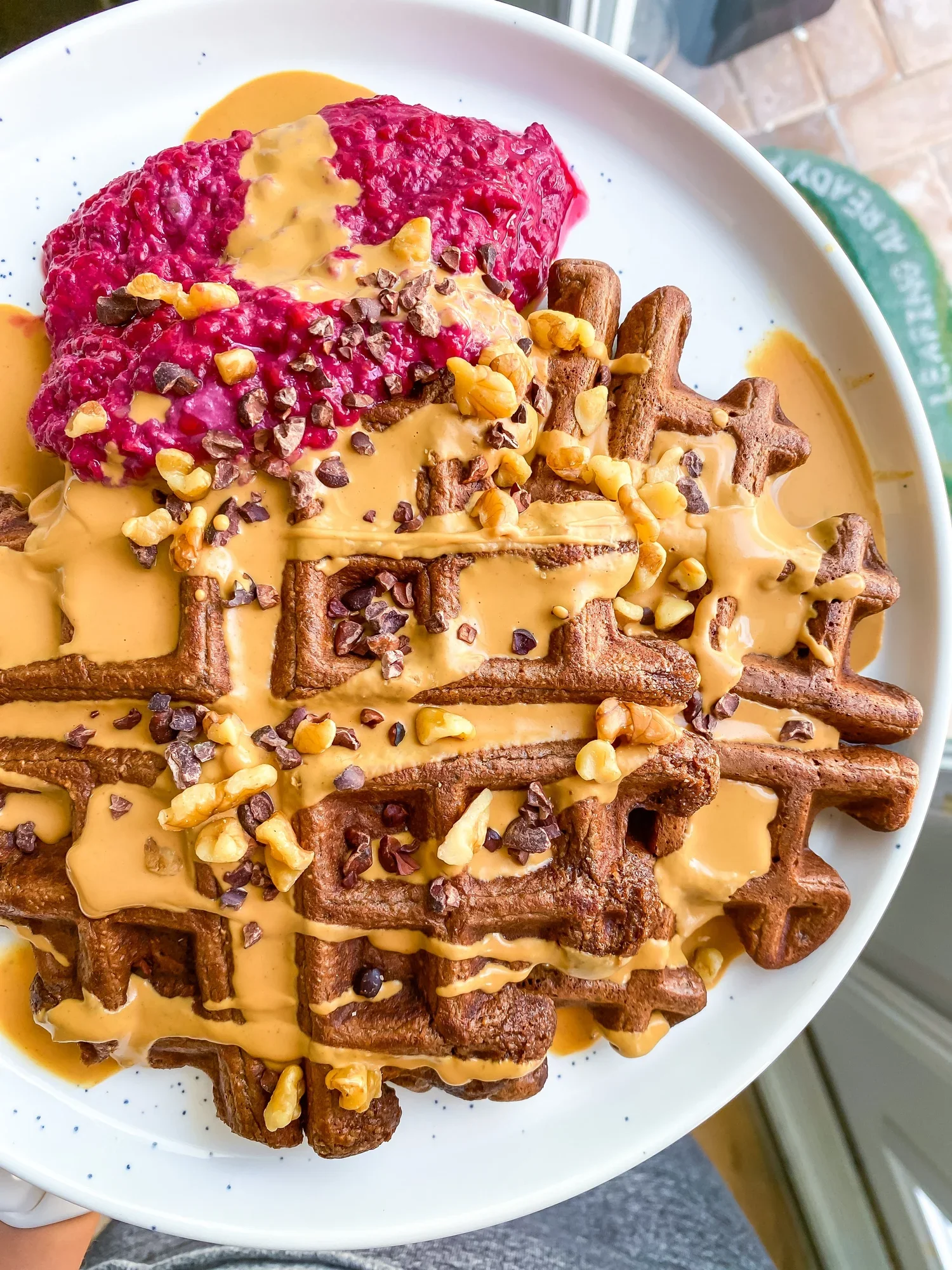
These are a meal prep lifesaver. I make a double batch at the start of the week, freeze them, and then just pop them in the toaster when we need a quick breakfast. They come out crispy on the outside and soft inside, and you can top them in so many different ways depending on what your toddler is in the mood for. I usually add almond butter and frozen blueberries, which thaw slightly and create this naturally sweet, creamy texture.
Cottage Cheese Egg Bites
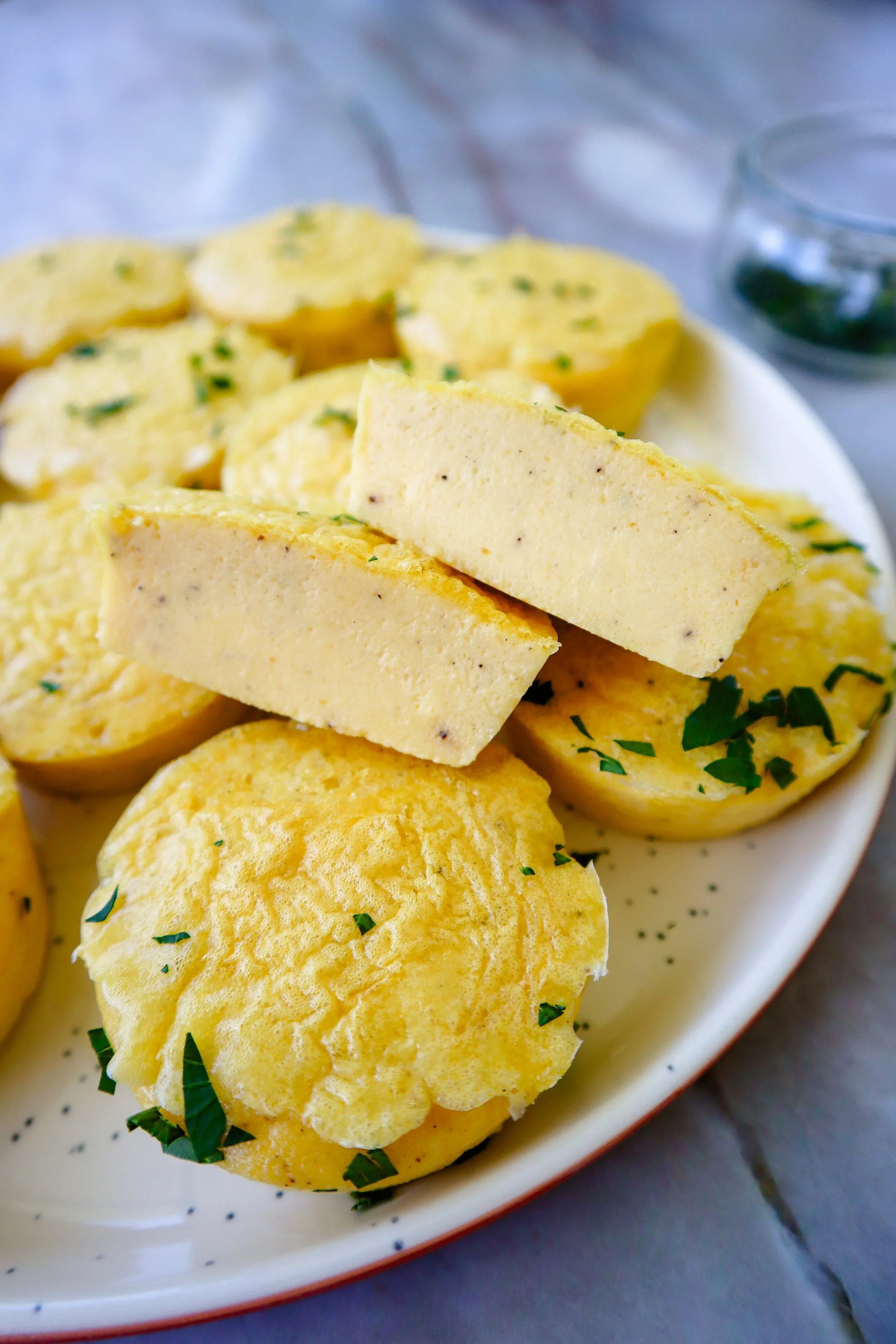
These are one of the easiest ways to get a high-protein breakfast on the table without thinking about it. They are soft, fluffy, and easy for young children to chew, which makes them great even for early eaters. I make a big batch at the beginning of the week and store them in the fridge, then just reheat in about a minute. They are simple, filling, and one of those recipes that makes mornings feel less chaotic.
Paleo Chia Pudding
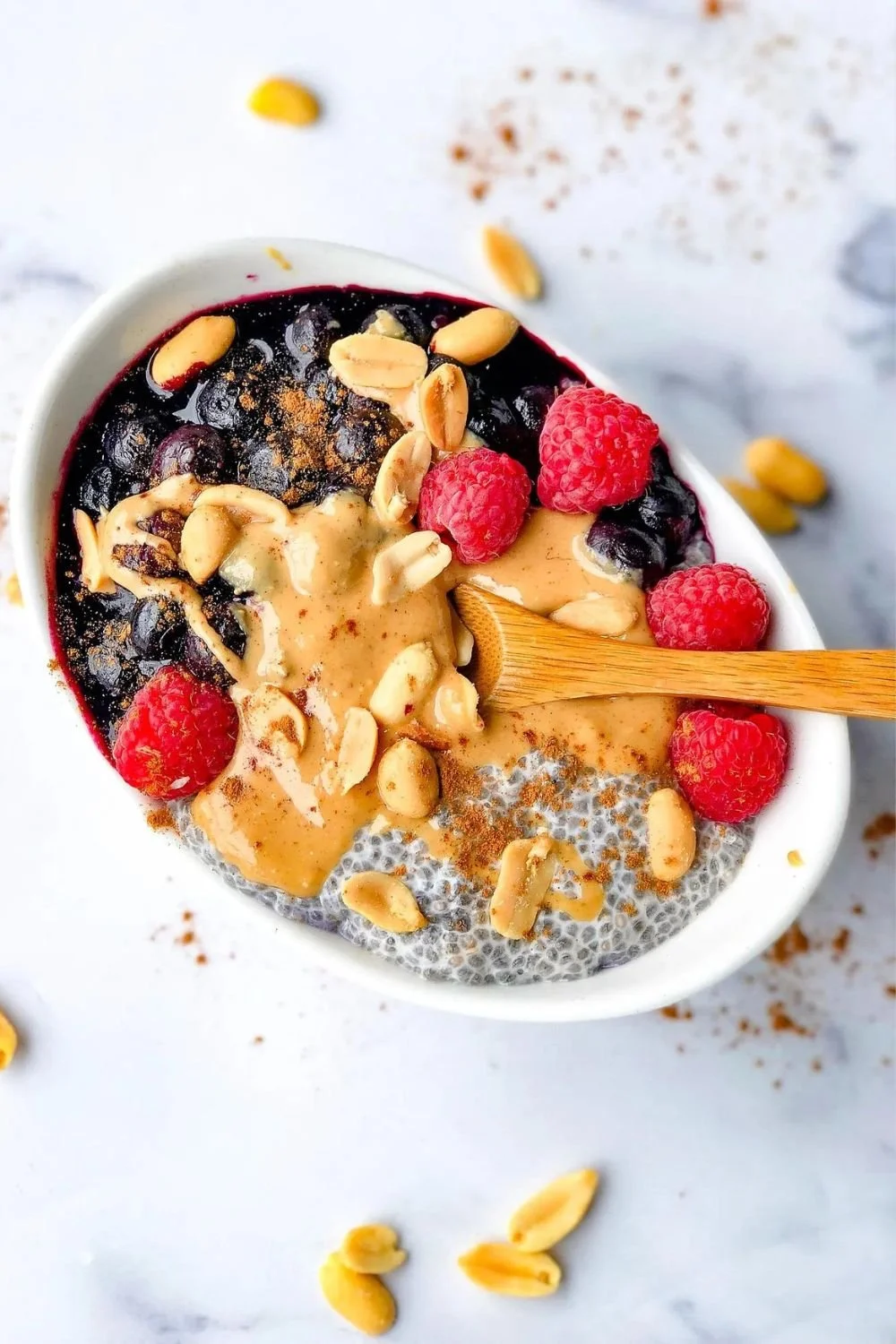
Chia pudding is one of the simplest ways to add healthy fats, fiber, and nutrients into your toddler’s diet without any cooking. I prep it the night before, and by morning it has that thick, creamy texture that works really well for picky eaters. You can keep it plain or add fruit, nut butter, or a little natural sweetness depending on what your child likes. It also works perfectly as a snack, which makes it a really versatile option to keep in rotation.
Homemade Granola
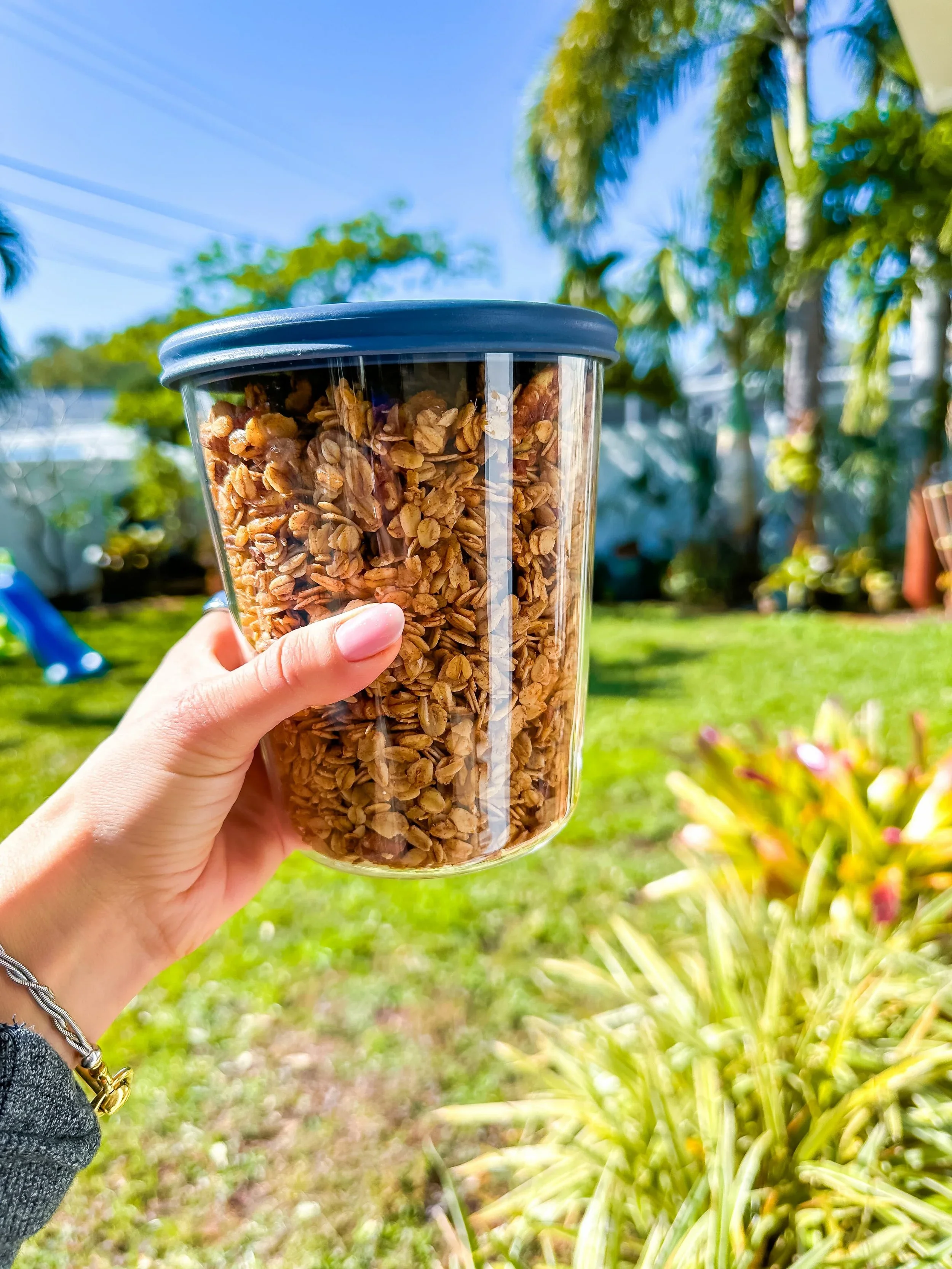
This is one of those small upgrades that makes a big difference. Store-bought granola is usually loaded with added sugar, but making it at home lets you control exactly what goes in. I serve it over full-fat Greek yogurt with frozen blueberries, and it becomes this cold, creamy, slightly crunchy bowl that Olive asks for all the time. It is simple, filling, and a great way to add texture variety to breakfast.
Banana Bread Muffins
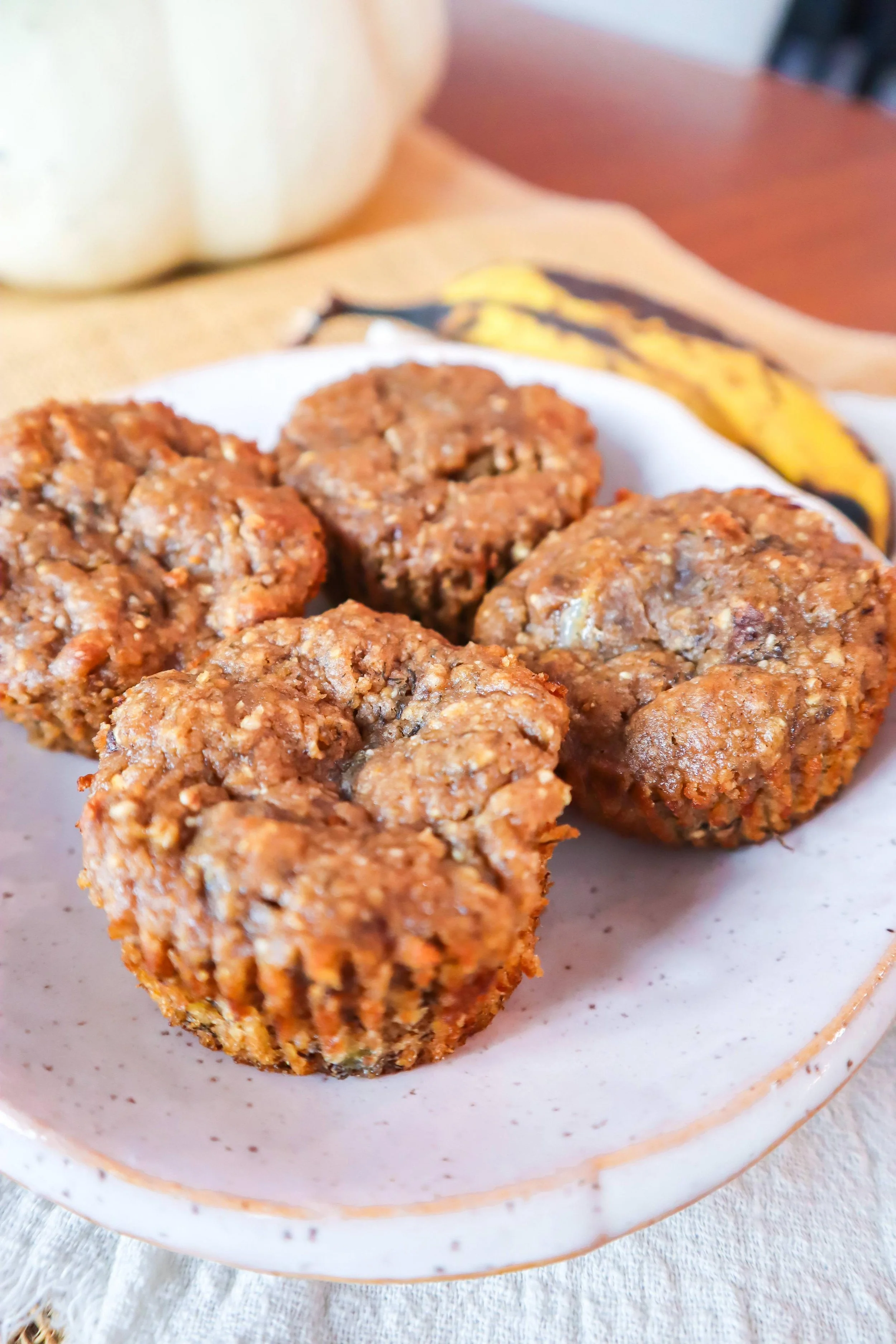
These are one of those recipes I always come back to. They are naturally sweet from ripe bananas, soft enough for little hands to manage easily, and perfect for grab-and-go mornings. I usually make a batch at the beginning of the week and keep them in an airtight container so we always have something ready. For picky eaters, this is one of those reliable foods that almost always gets eaten.
Pumpkin Muffins
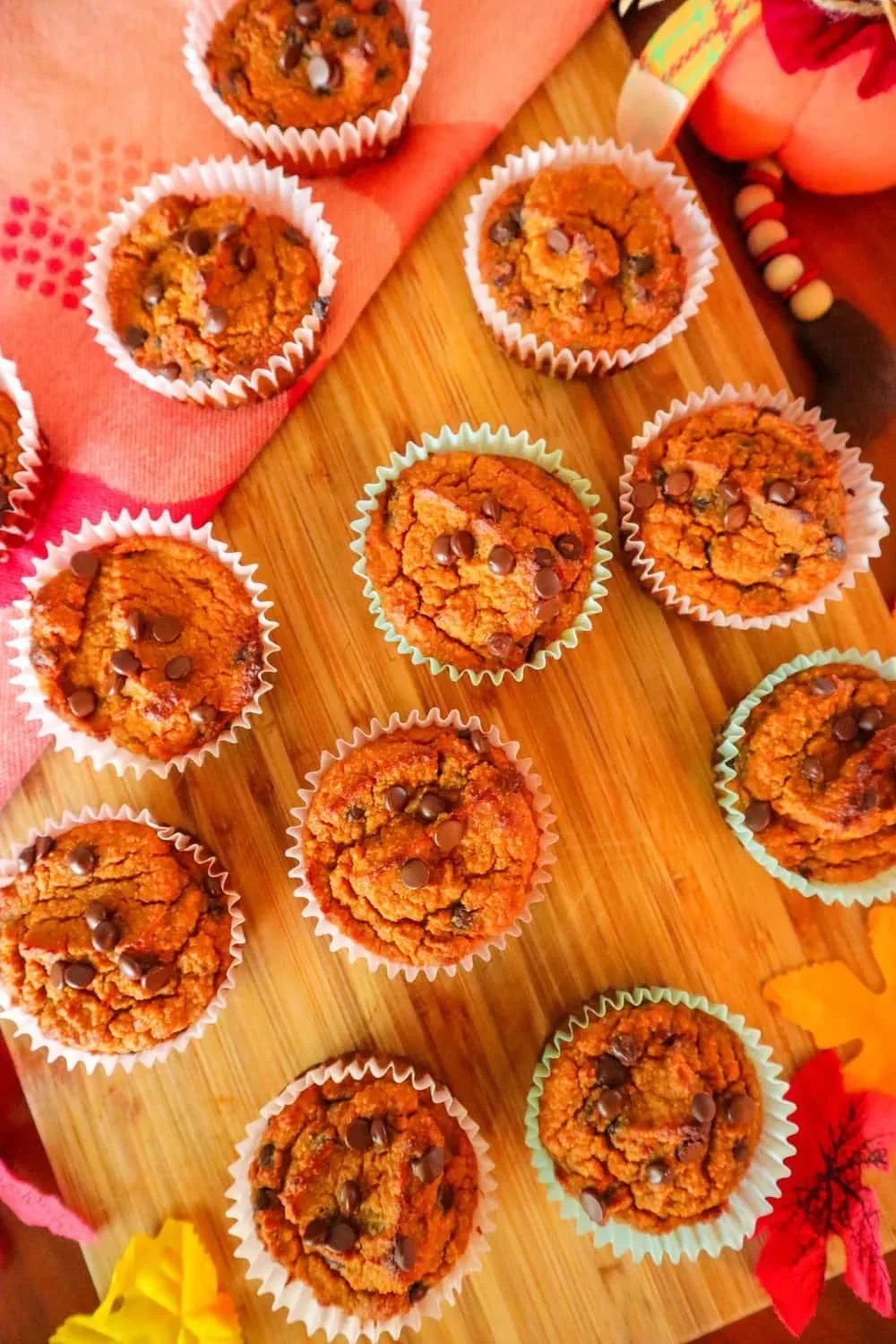
Pumpkin is one of the most underrated ingredients when it comes to toddler meals. It is naturally sweet, packed with nutrients like vitamin A, and blends seamlessly into baked goods. These muffins come out soft, slightly sweet, and completely approachable, even for kids who would normally avoid vegetables. They also freeze really well, which makes them a great option for batch prep.
Healthy Vegan Breakfast Muffins
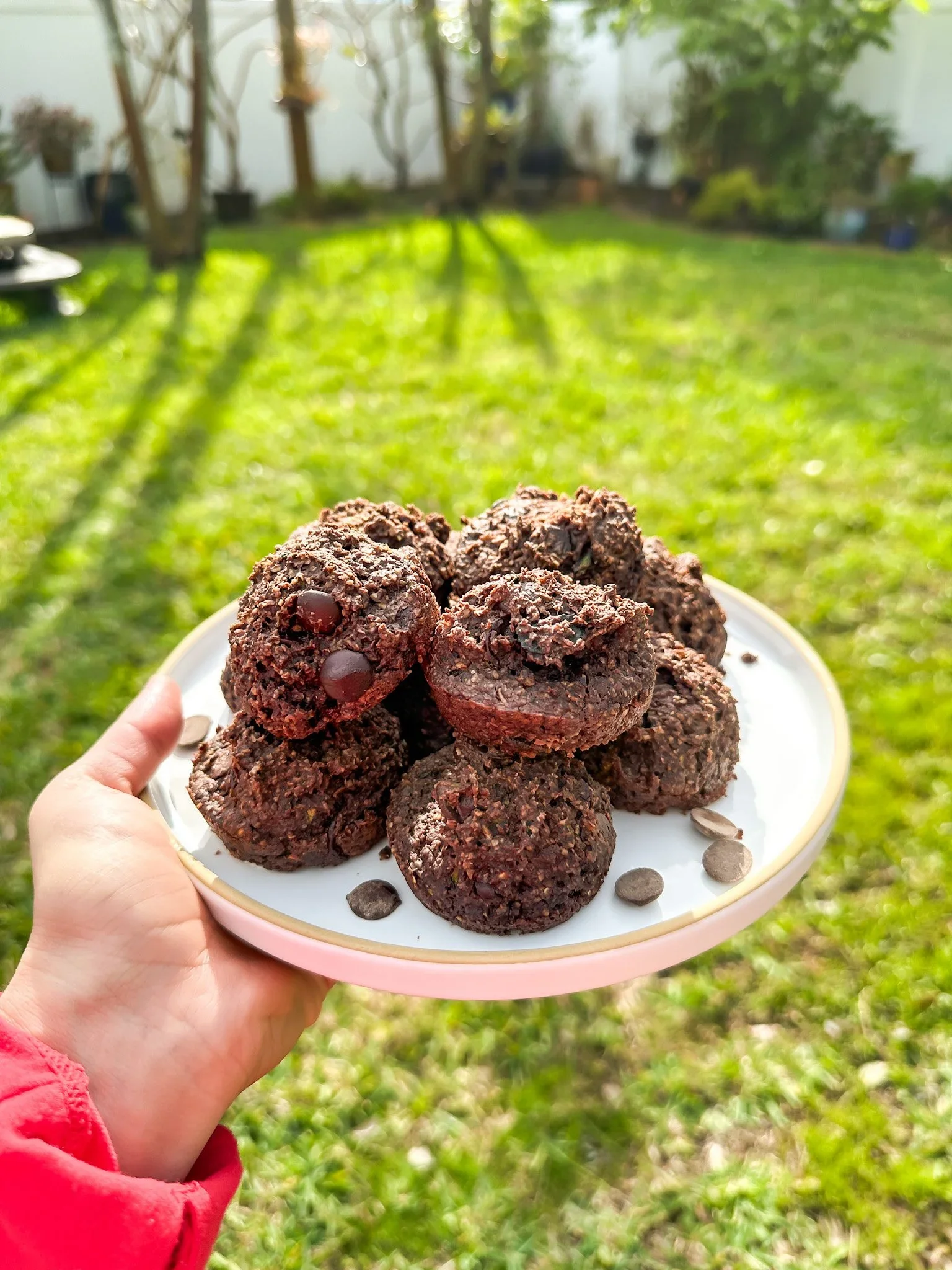
This is one of my favorite ways to introduce vegetables without it feeling like a “vegetable recipe.” The batter incorporates ingredients in a way that still tastes like a sweet muffin, so picky eaters do not question it. It is a great option if you are trying to expand your toddler’s diet without creating resistance around new foods.
Mains and Dinner
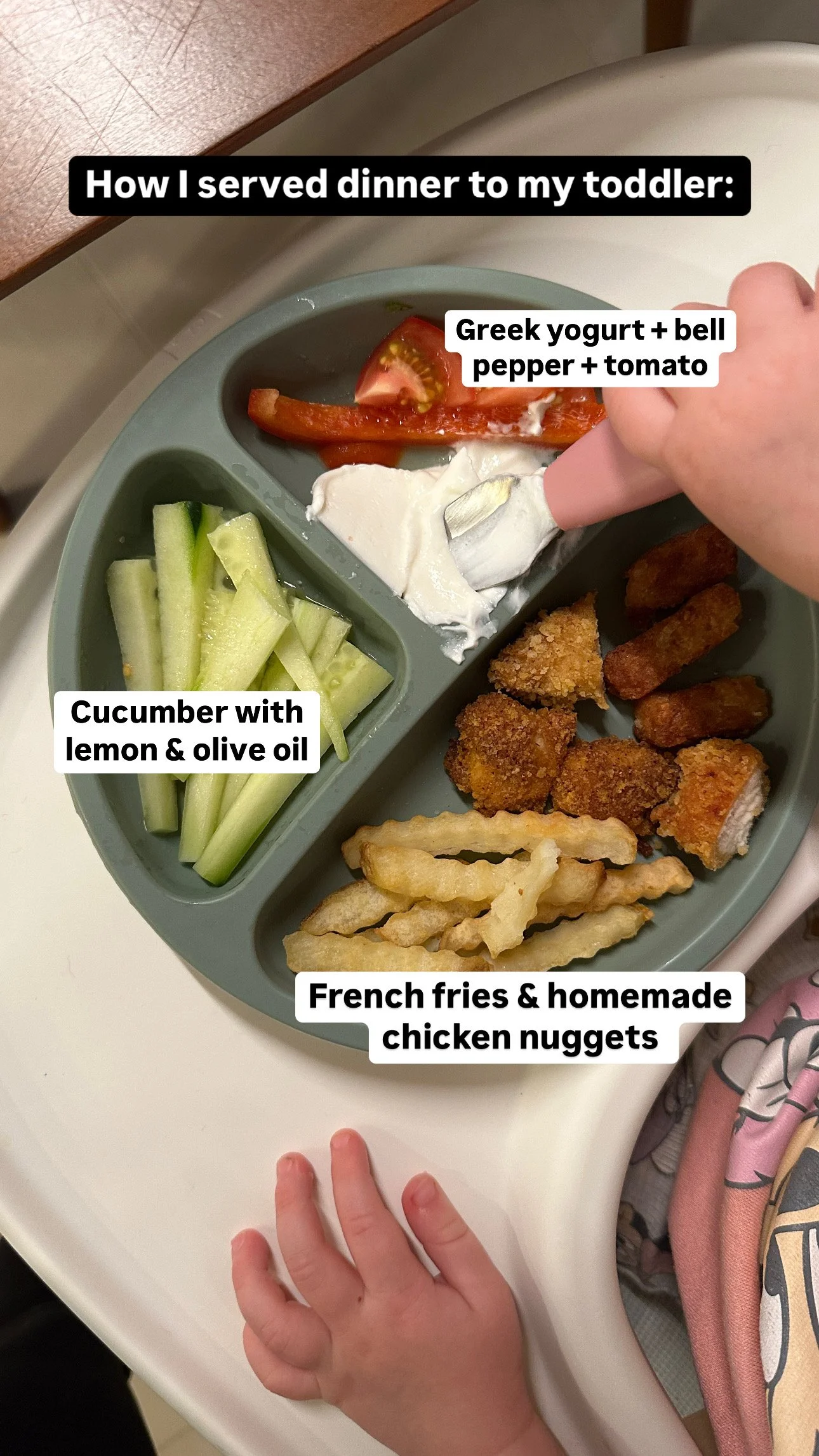
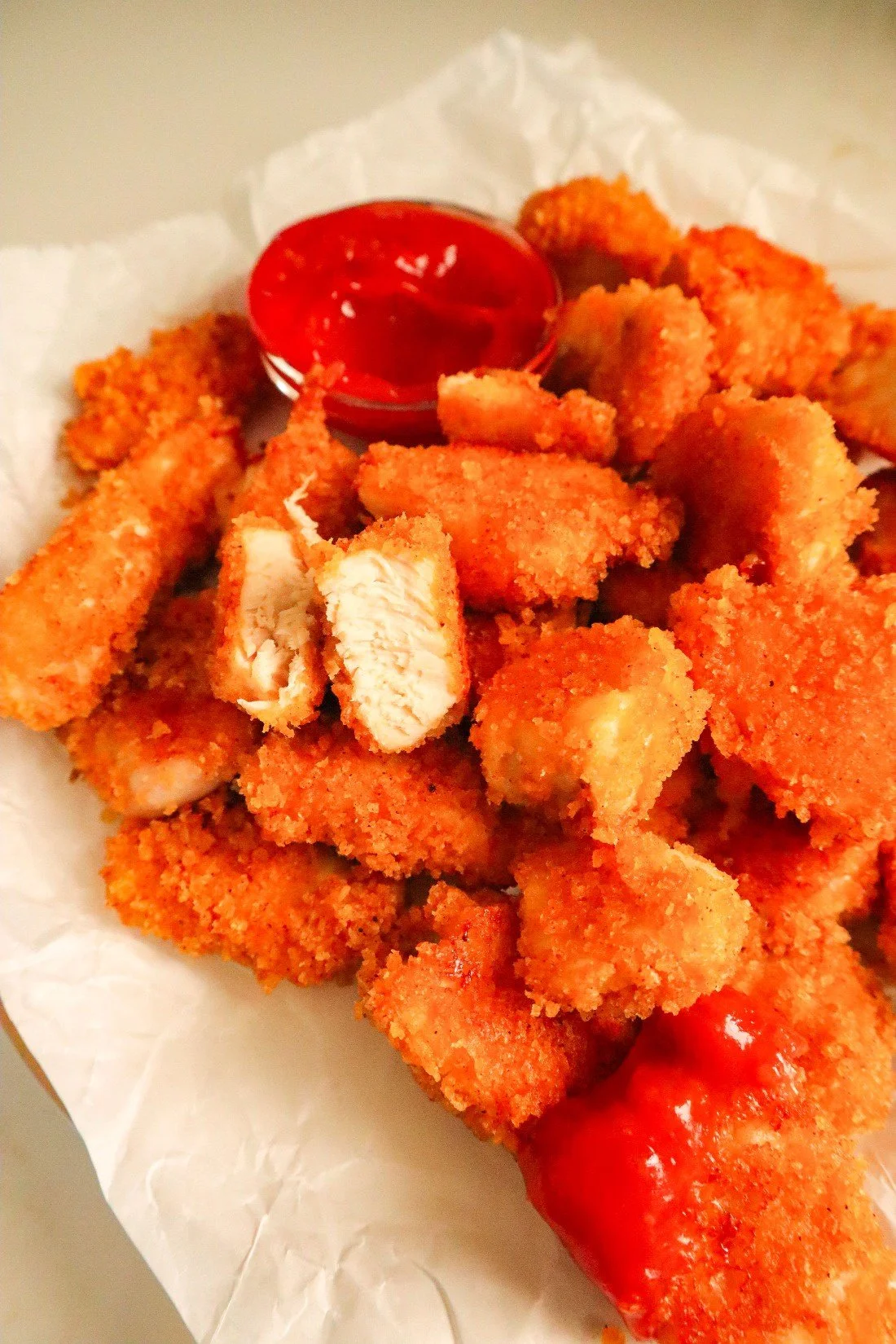
If you only make one thing from this list, make this. These homemade chicken nuggets are made with just chicken breast, crushed chips, and avocado oil, which is a completely different nutritional profile than anything from the freezer aisle. They come out crispy on the outside, tender on the inside, and are ready in about 20 minutes. This is one of those meals that feels like an easy win every single time.
Easy Ground Turkey Meatballs
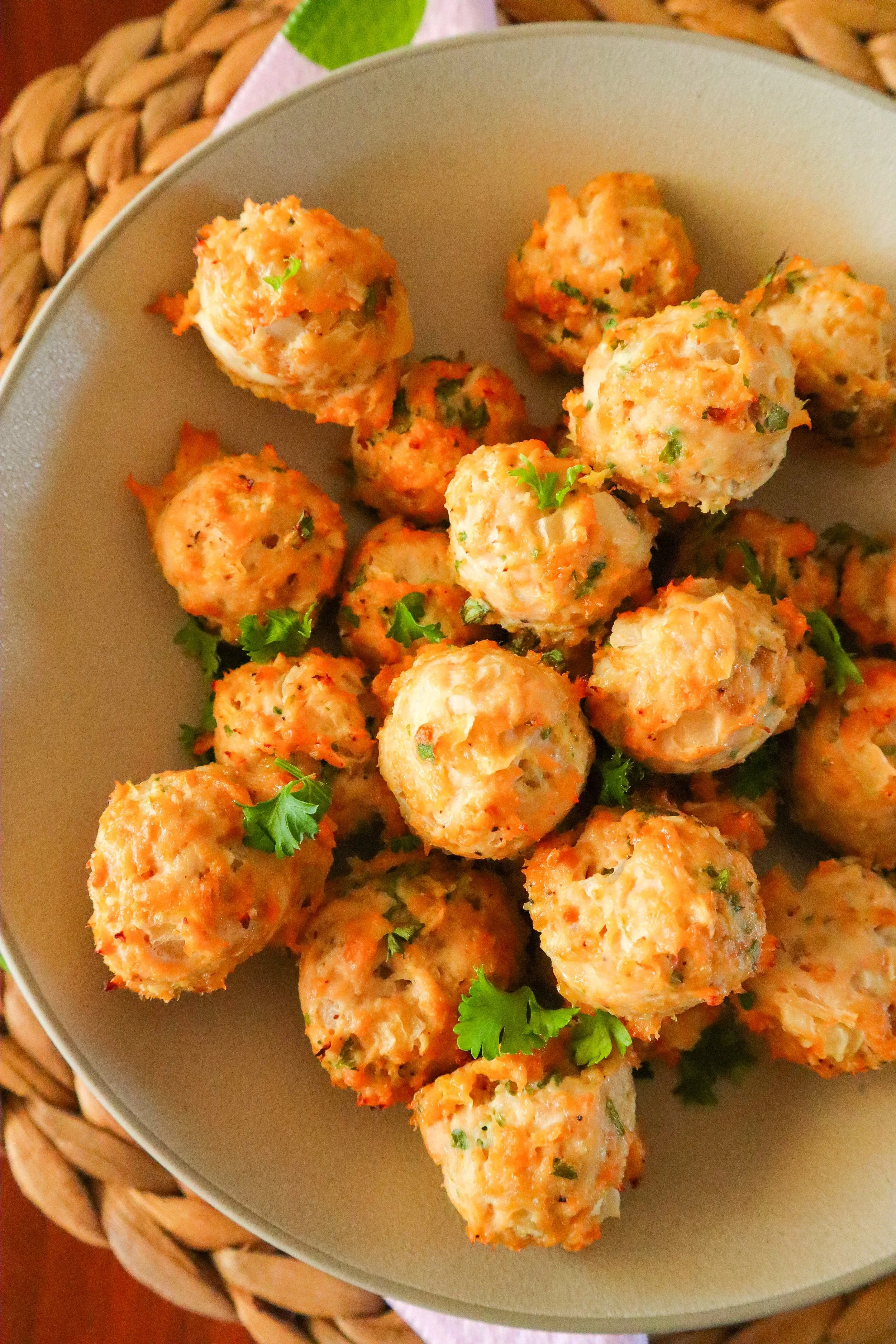
This is one of my favorite big batch recipes. I make a large amount and use them in different ways throughout the week, which saves so much time. You can serve them with tomato sauce and pasta, over rice, or just on their own with a simple side. They are easy to hold, easy to eat, and a great way to get protein into picky toddlers.
Ground Beef and Rice Bowls
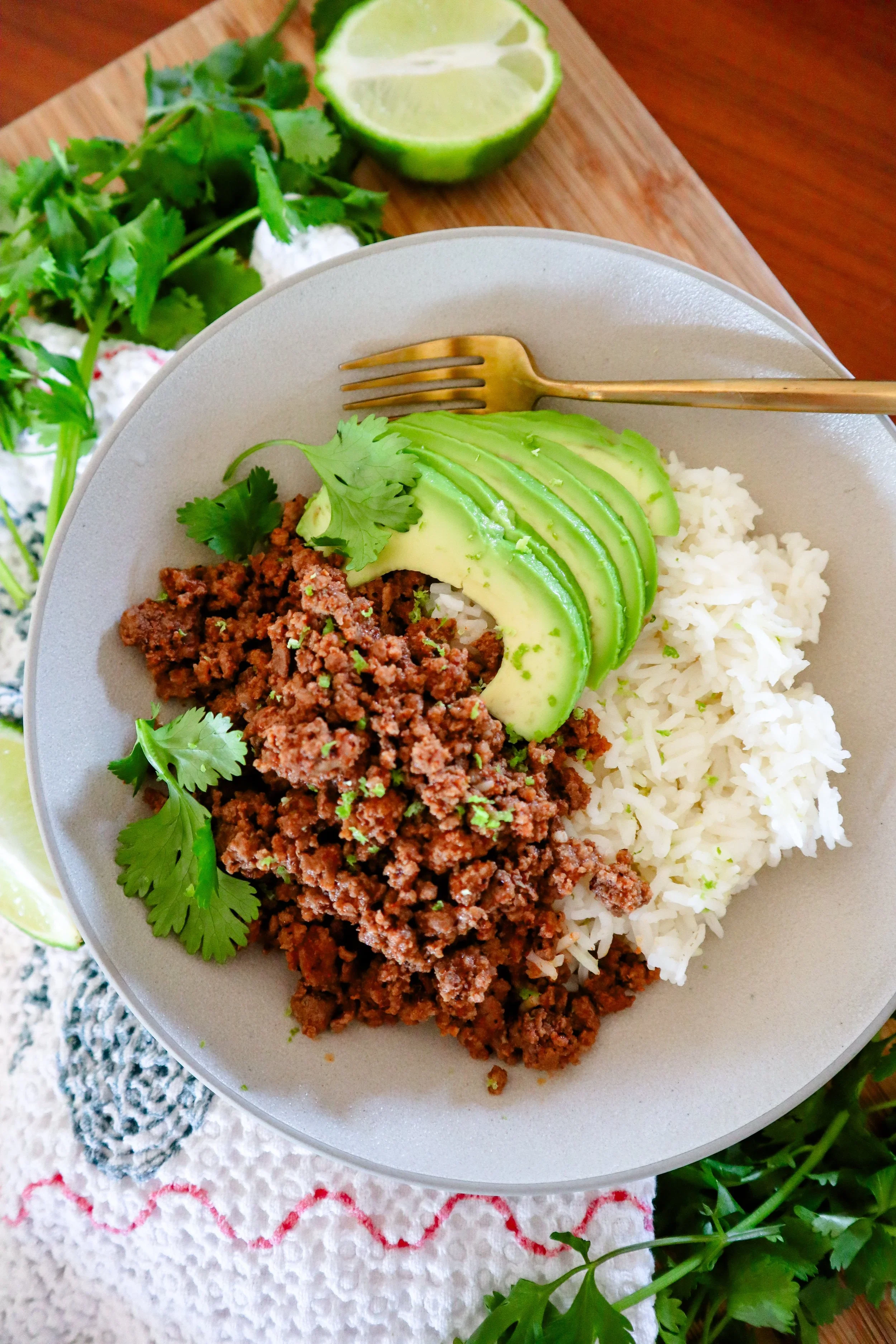
This is probably one of the simplest meals I make, and also one of the most consistent. Ground beef is rich in iron and nutrients that support brain development, and when you pair it with rice, you get a really balanced meal with minimal effort. I keep microwavable rice on hand, which means this can come together in about 15 minutes, even on the busiest nights.
Garlic Parmesan Chicken Sheet Pan Dinner
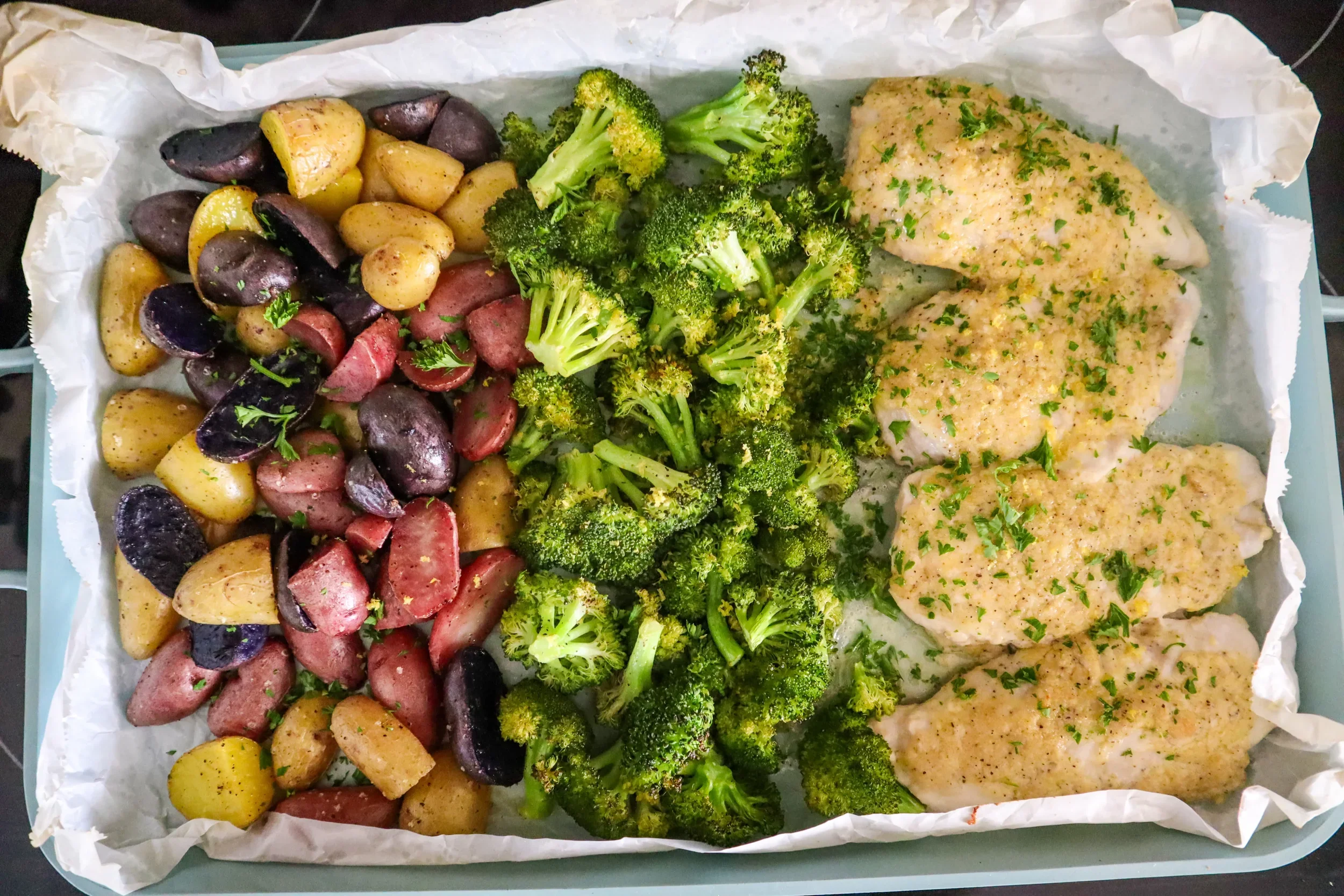
This is a true one-pan meal, which is exactly what I need on busy evenings. Everything cooks together on a sheet pan, which keeps cleanup minimal and makes it easier to get dinner on the table quickly. I cut everything into smaller pieces for Olive so it is easier for her to eat, and it ends up being a meal that works for the whole family without any extra effort.
Air Fryer Steak Bites
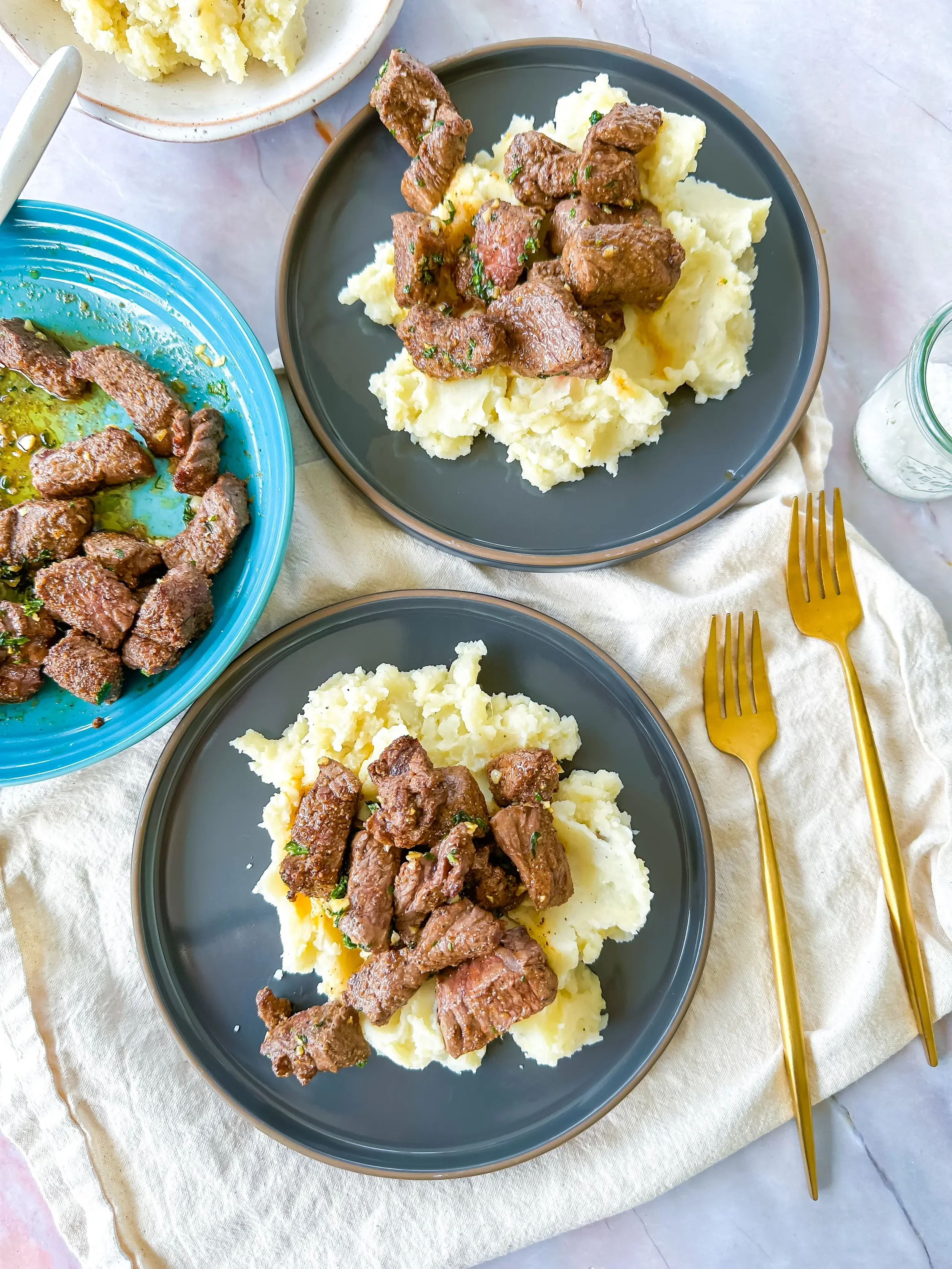
This one surprises a lot of people, but toddlers can do really well with steak when it is cooked properly and cut into small, tender pieces. Red meat is an excellent source of iron, which is especially important during this stage. The air fryer makes it quick and consistent, and the bite-sized pieces make it easy for little hands to manage.
Pesto Crusted Salmon
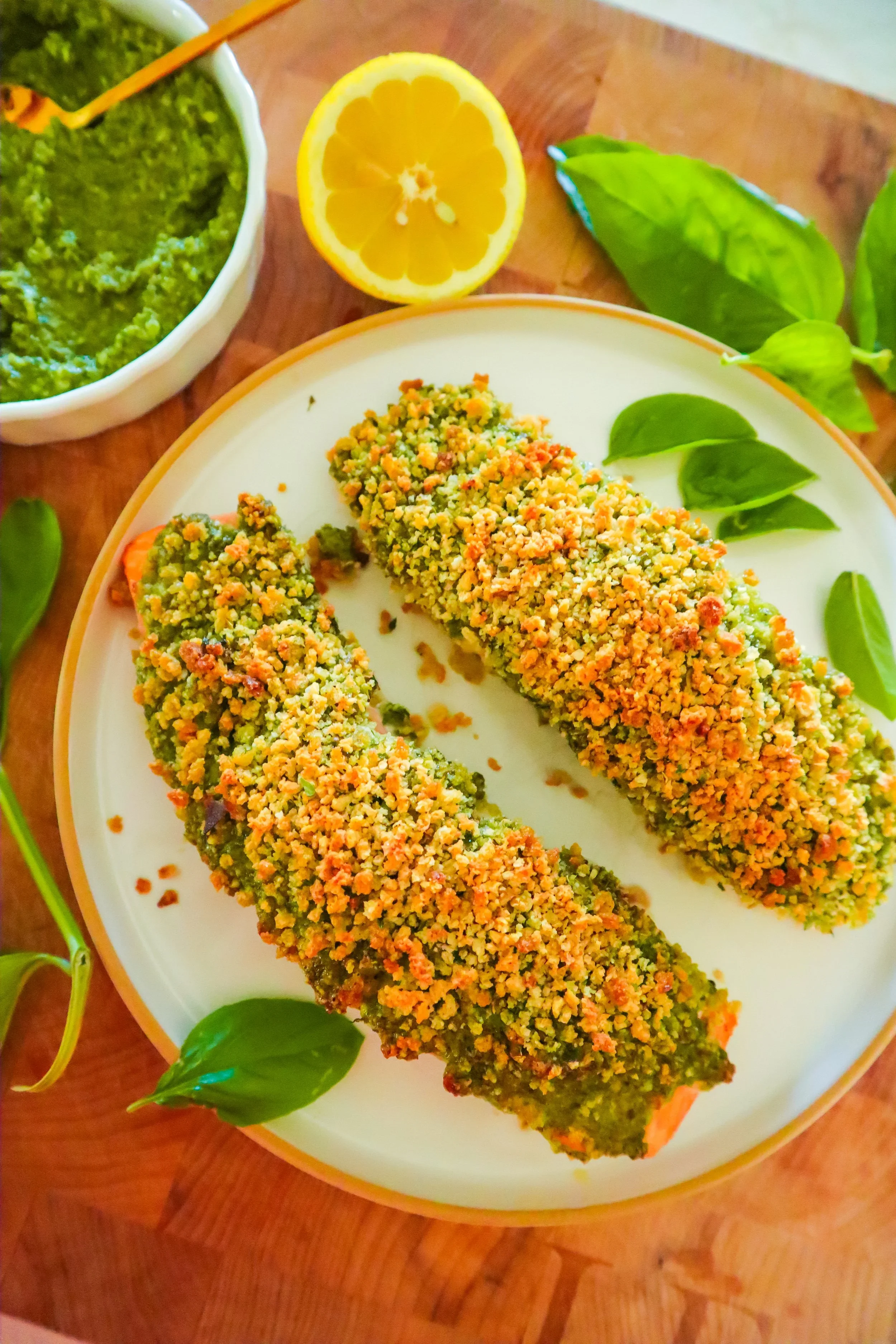
This is Olive’s favorite meal, and I do not say that lightly. Salmon is packed with healthy fats that support brain development, and the pesto adds a familiar, flavorful layer that makes it more approachable for picky eaters. If your child is hesitant about fish, this is a really great place to start.
Crispy Air Fryer Fish Fillets
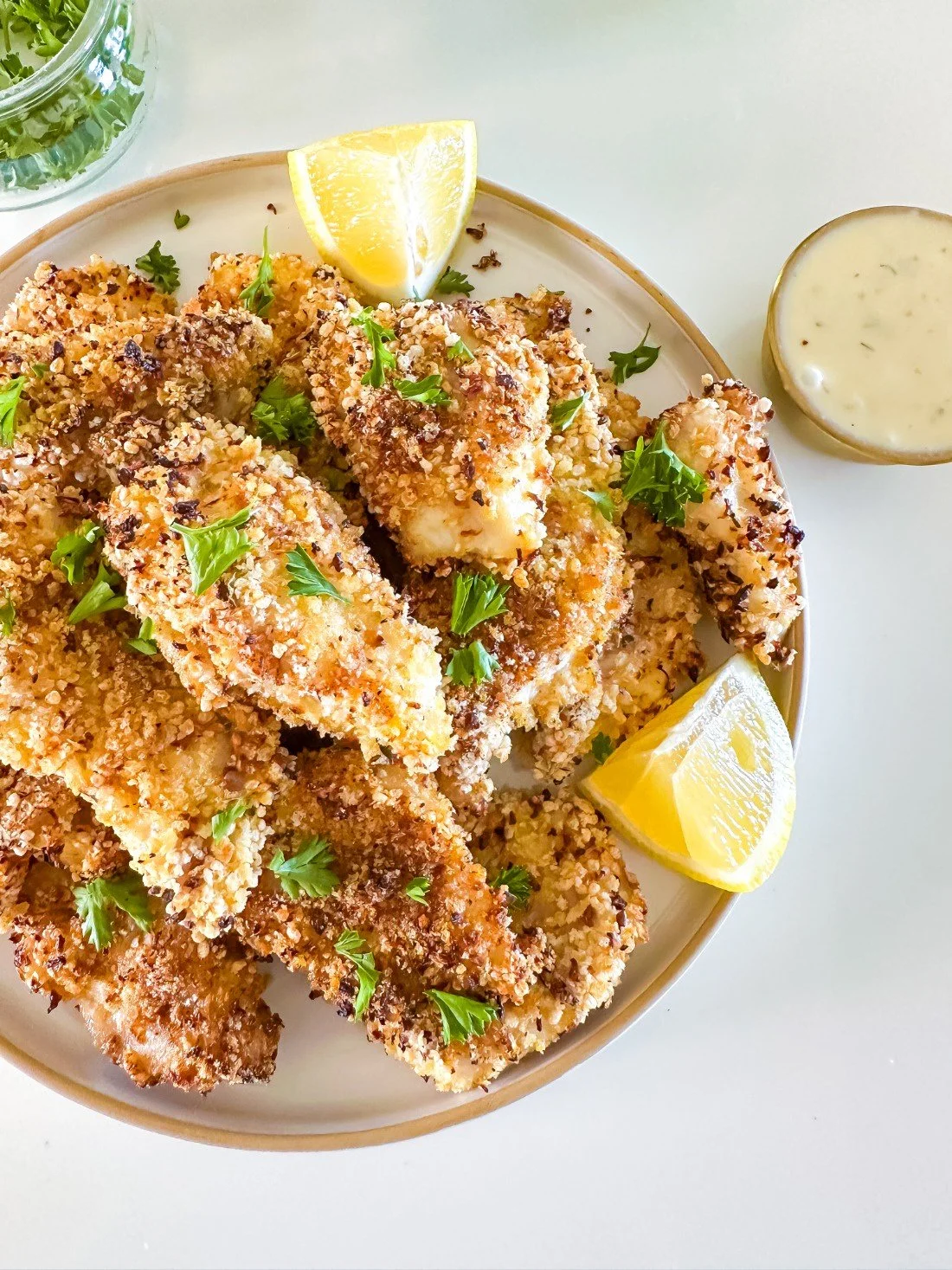
This is one of the easiest ways to introduce fish to picky eaters because the texture feels familiar. Crispy on the outside and soft on the inside, it gives you that fast-food feel but made with real, simple ingredients. It is a great option for slowly introducing new proteins without resistance.
Meatless Baked Ziti
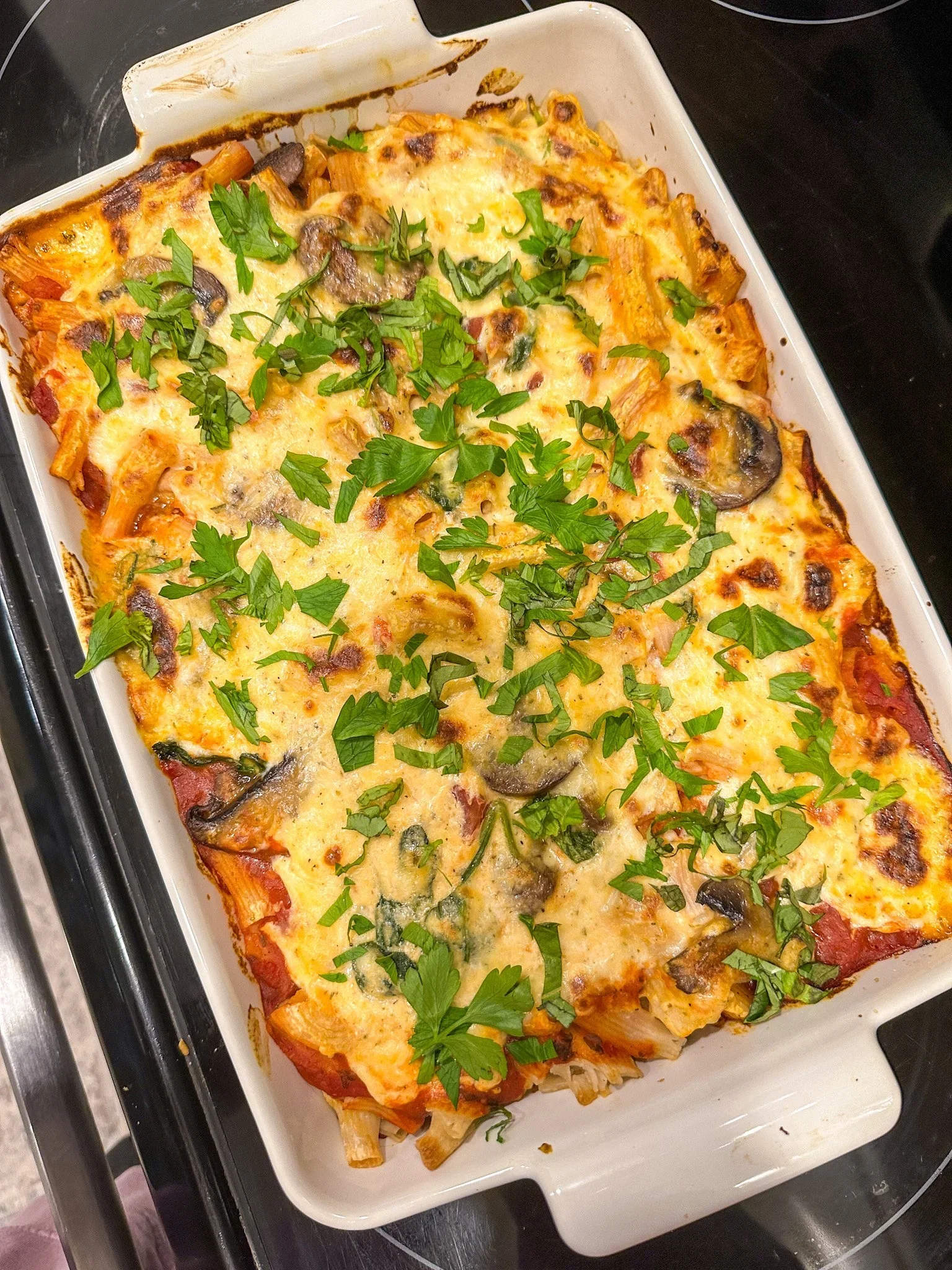
This is one of those classic comfort food meals that almost always works. Pasta with tomato sauce is already a safe food for most toddlers, and baking it into a ziti makes it easy to prep ahead and reheat when needed. If you want to add more protein, you can easily mix in options like beans or serve something alongside it.
Air Fryer Mac and Cheese
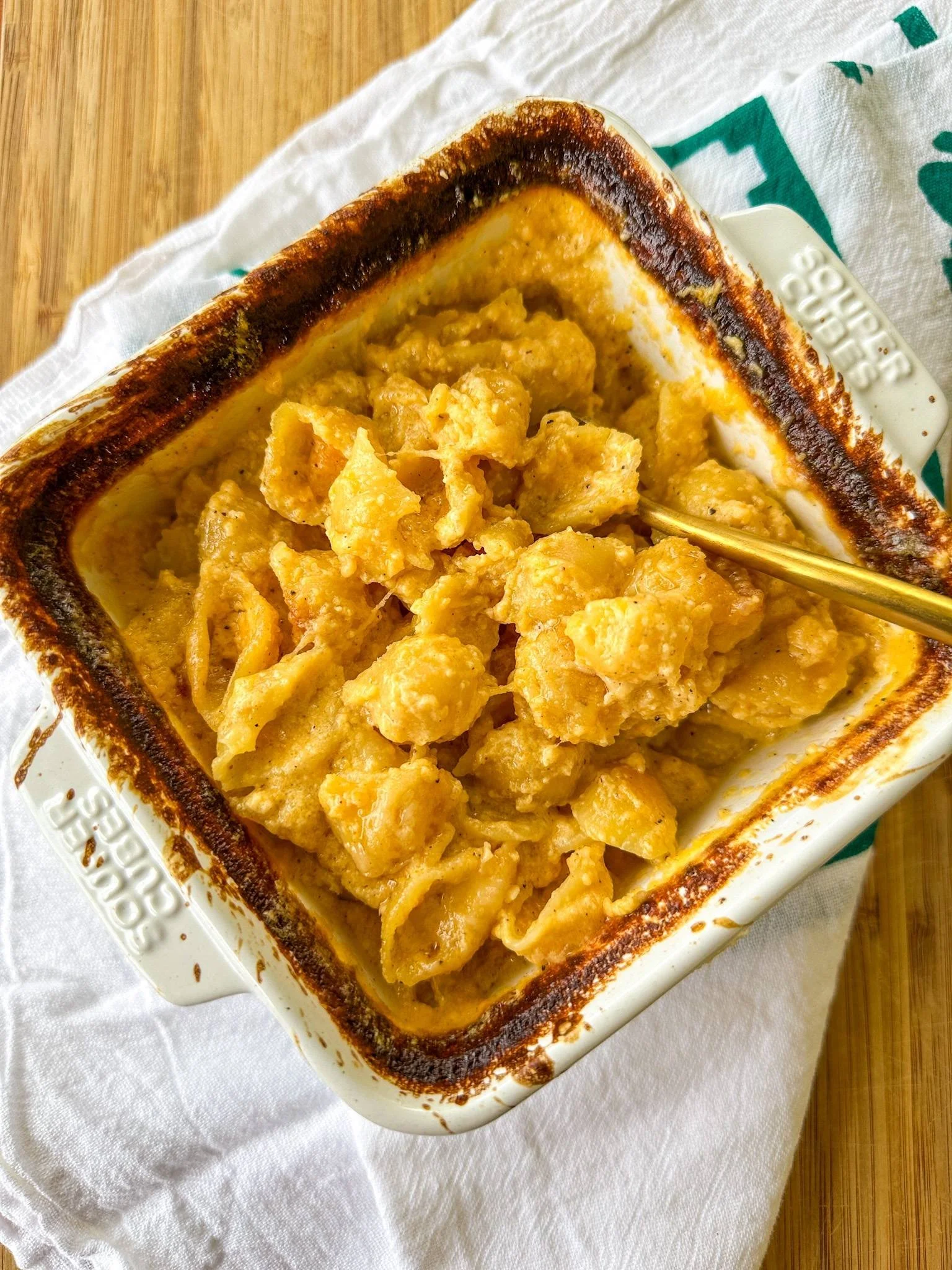
Mac and cheese is one of those meals that just works when nothing else will. This version comes together quickly and still feels like a homemade option. It is creamy, familiar, and a great backup meal for nights when your toddler is especially resistant to new foods.
Avocado Egg Salad
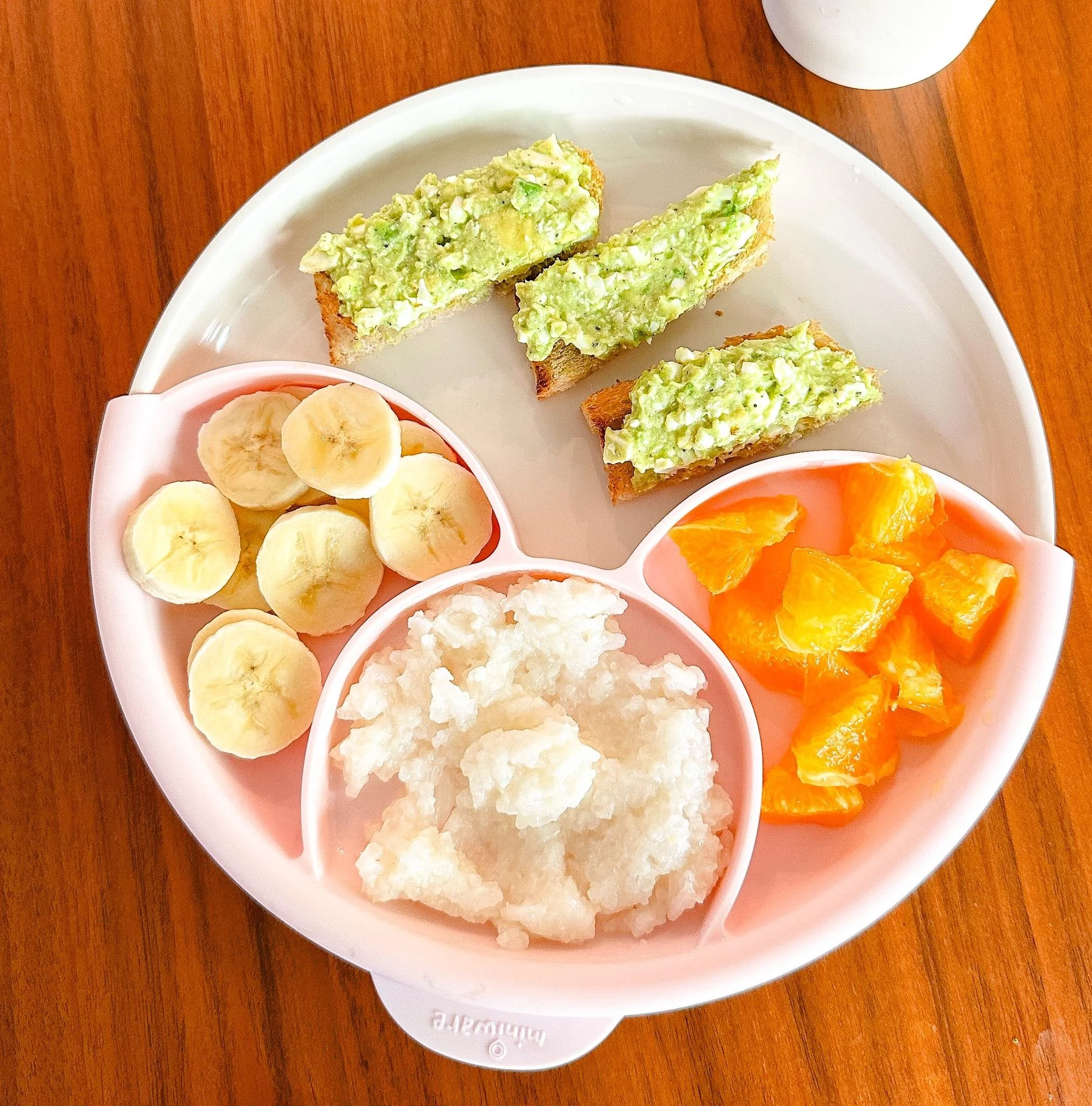
This is such a simple but nutrient-dense option, especially for younger toddlers. It combines healthy fats from avocado with protein from eggs, creating a soft, creamy texture that is easy to eat. You can serve it on toast, with crackers, or just on its own with a spoon.
Air Fryer Tofu
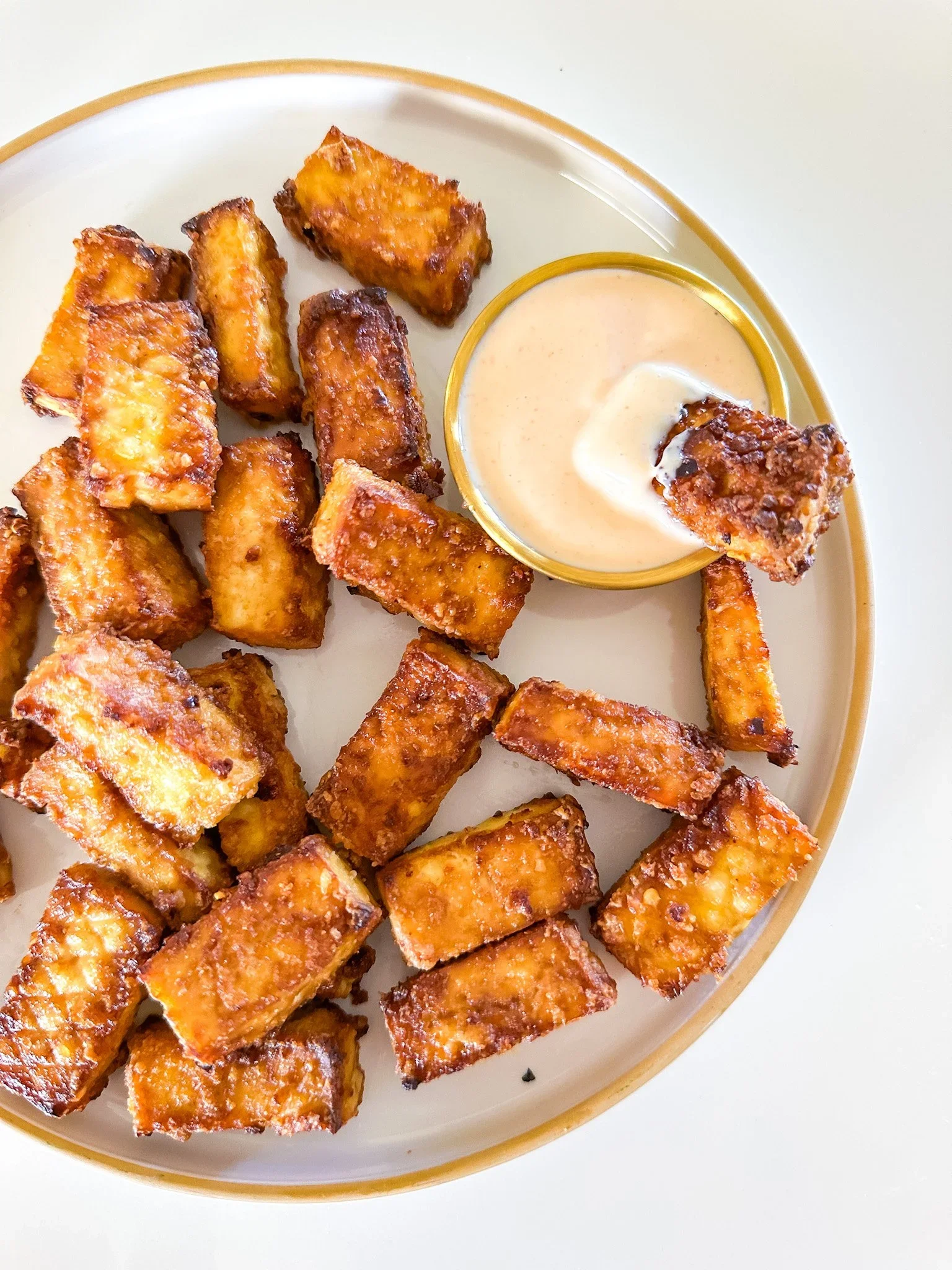
Tofu is one of those foods that works really well once you find the right texture. Cooking it in the air fryer gives it a slightly crispy outside while staying soft inside, which toddlers tend to enjoy. It is also a great way to introduce plant-based protein early in a very approachable format.
Sides and Vegetables
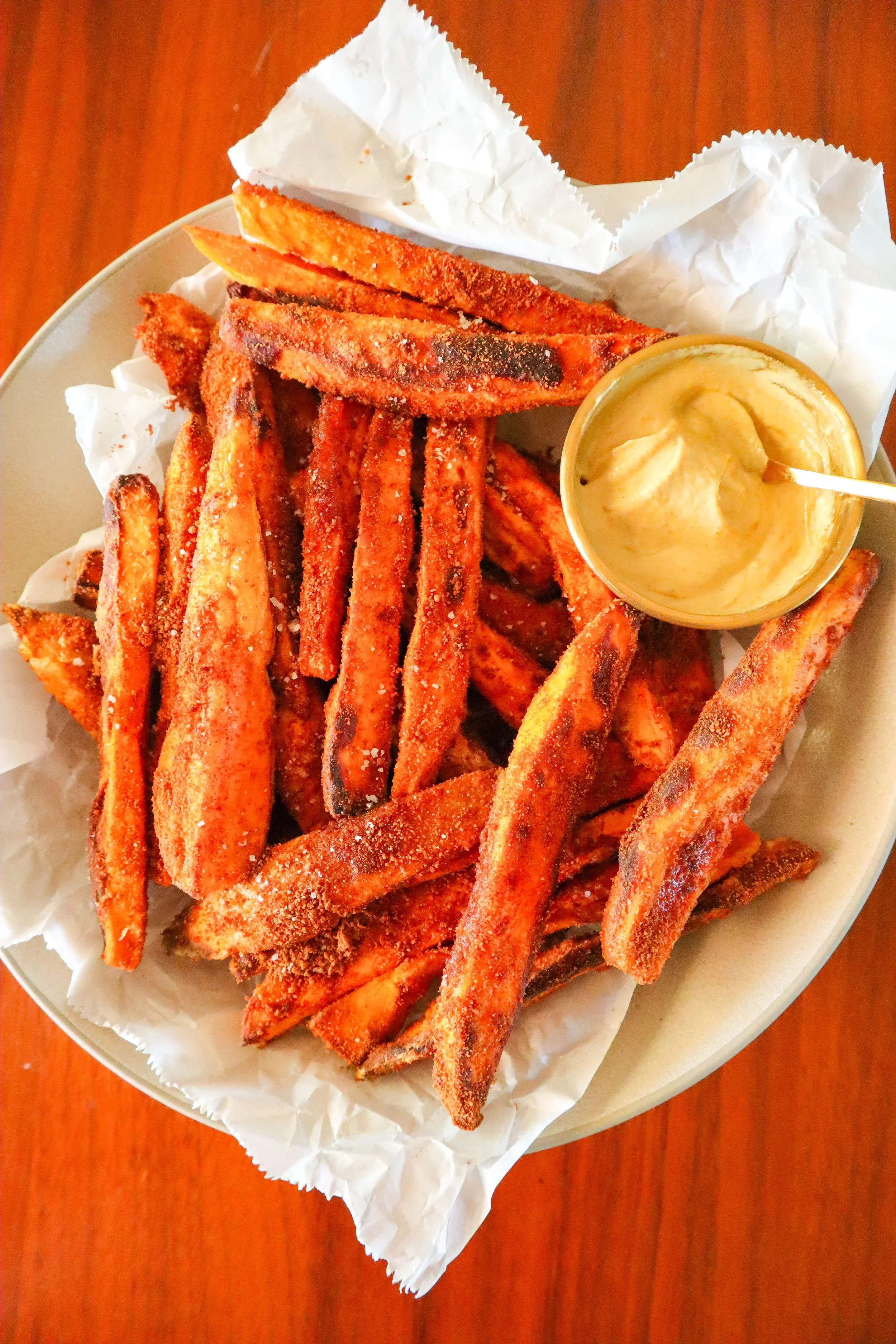
Sweet potatoes are one of the easiest vegetables to get kids to eat because they are naturally sweet. Cutting them into fries and roasting them with olive oil and cinnamon makes them even more appealing. They are soft on the inside, slightly crisp on the outside, and pair well with almost any main dish.
Air Fried Frozen Green Beans
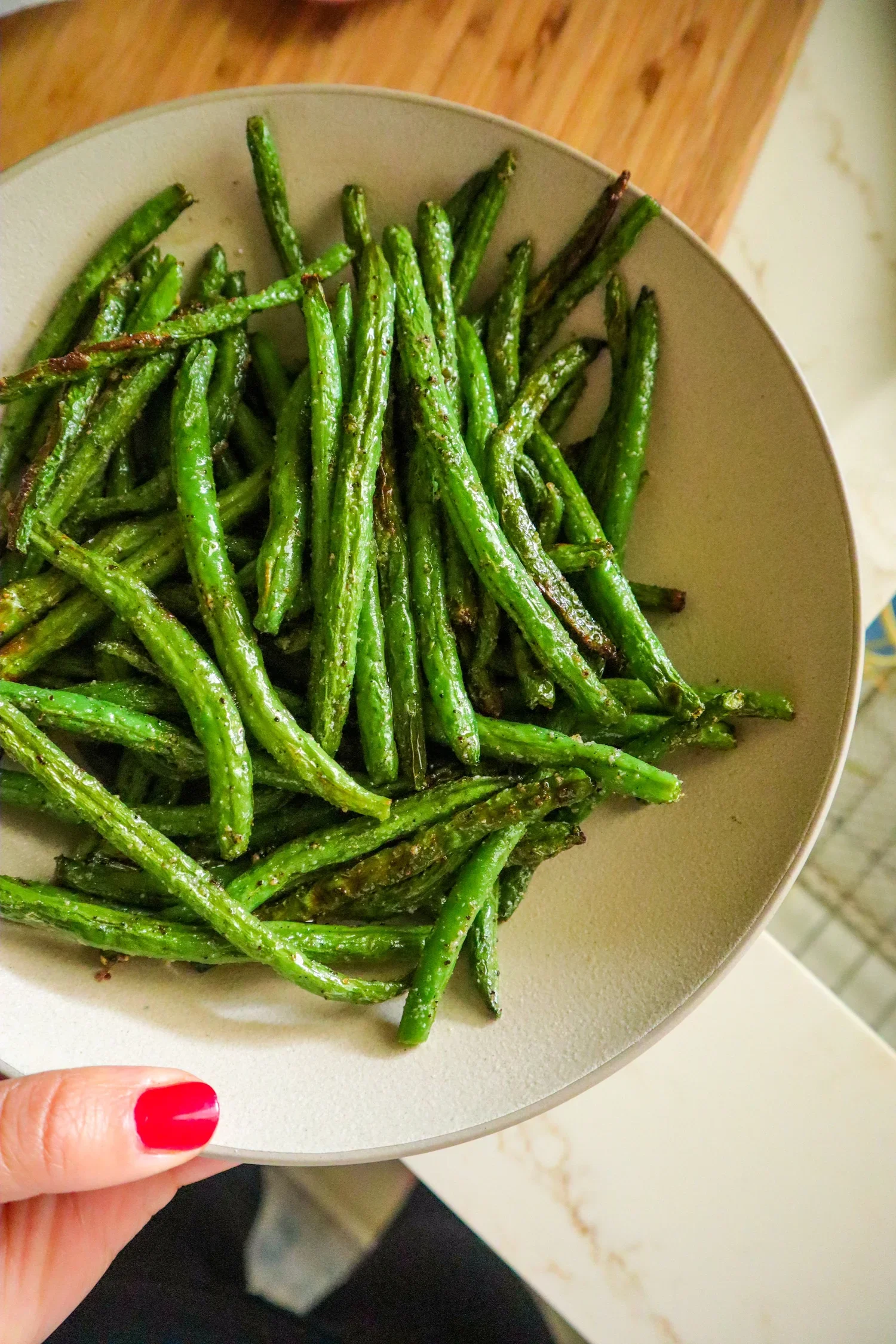
This is one of the easiest vegetable sides you can make. Straight from the freezer into the air fryer, and they come out with just enough crisp to make them more interesting than steamed vegetables. The long shape also makes them easy for toddlers to pick up and eat.
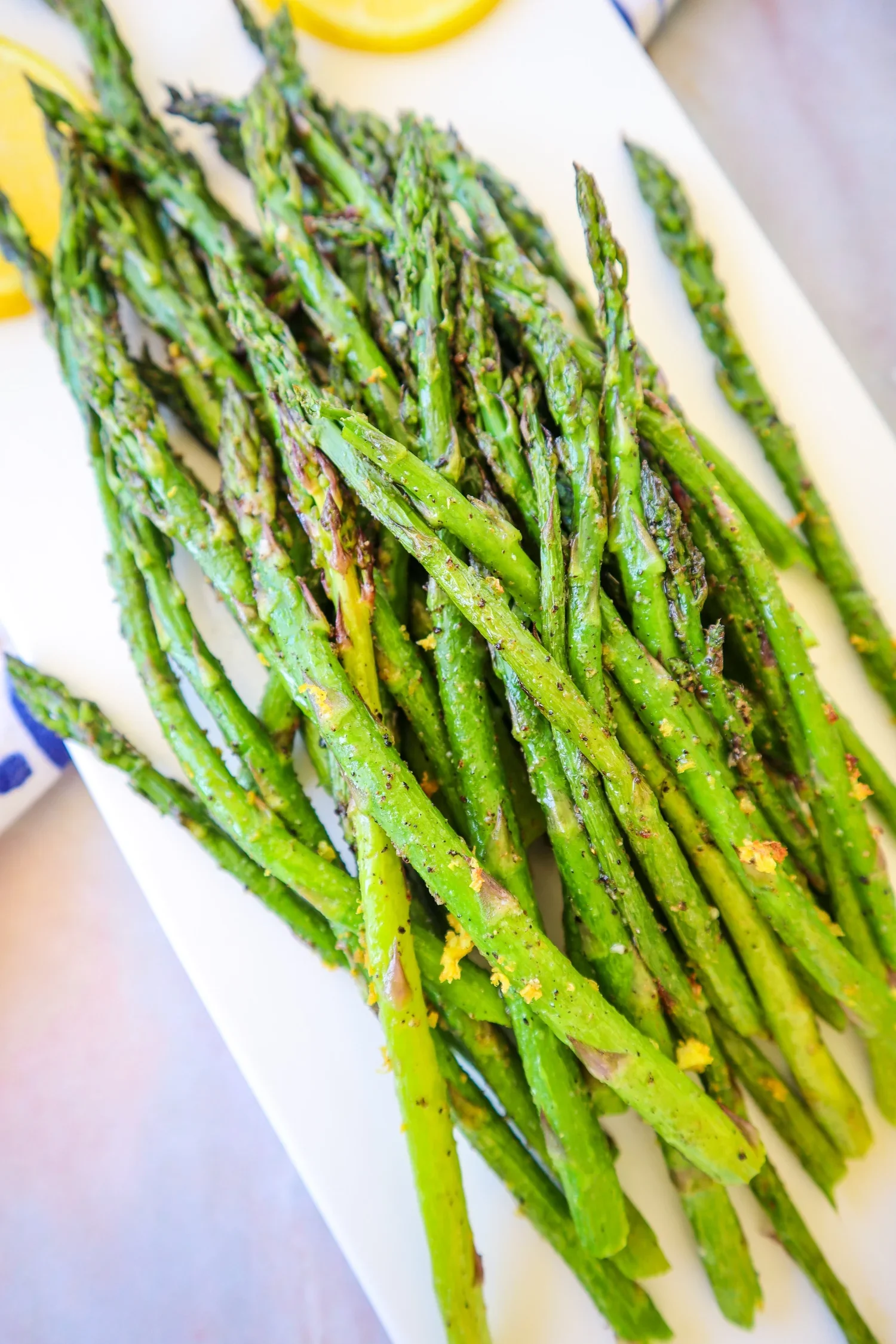
This is one of those vegetables that feels almost too simple to count as a recipe. Toss with olive oil, season, and air fry until tender with slightly crispy tips. The spear shape makes it fun for little hands to hold, which can make a big difference in whether it gets eaten.
Snacks and Treats
Strawberry Yogurt Bites
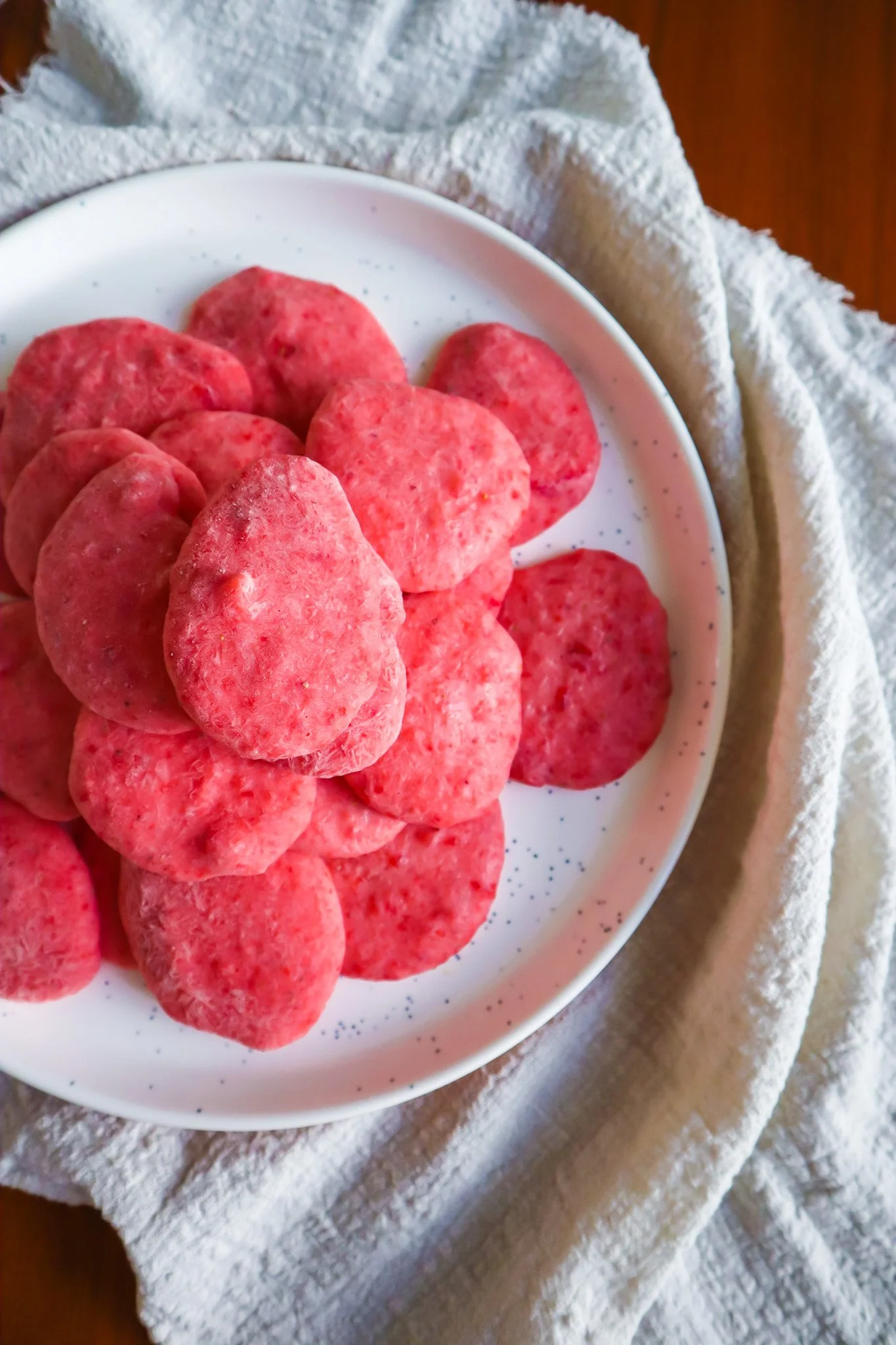
These are perfect for toddlers who are learning to self-feed. They start out frozen and soften slightly as they sit, creating a texture that is easy to manage. Naturally sweet from the fruit, simple to make, and always a hit in our house.
Air Fryer Mozzarella Sticks
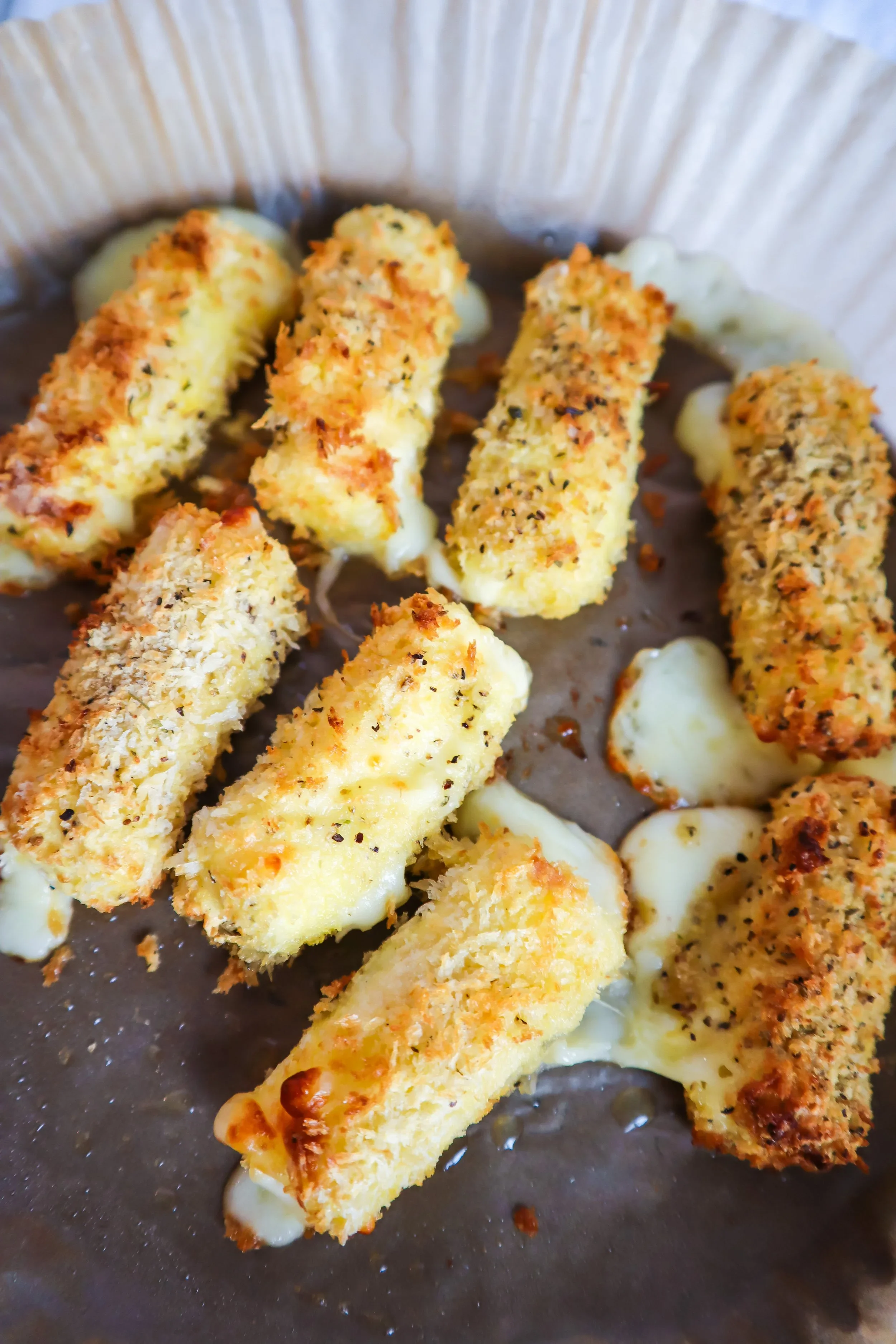
This is one of those snacks that feels fun and a little indulgent, but still made with real ingredients at home. The outside gets crispy while the inside stays melty, and serving with a simple tomato sauce for dipping makes it even more appealing.
Homemade Protein Bars
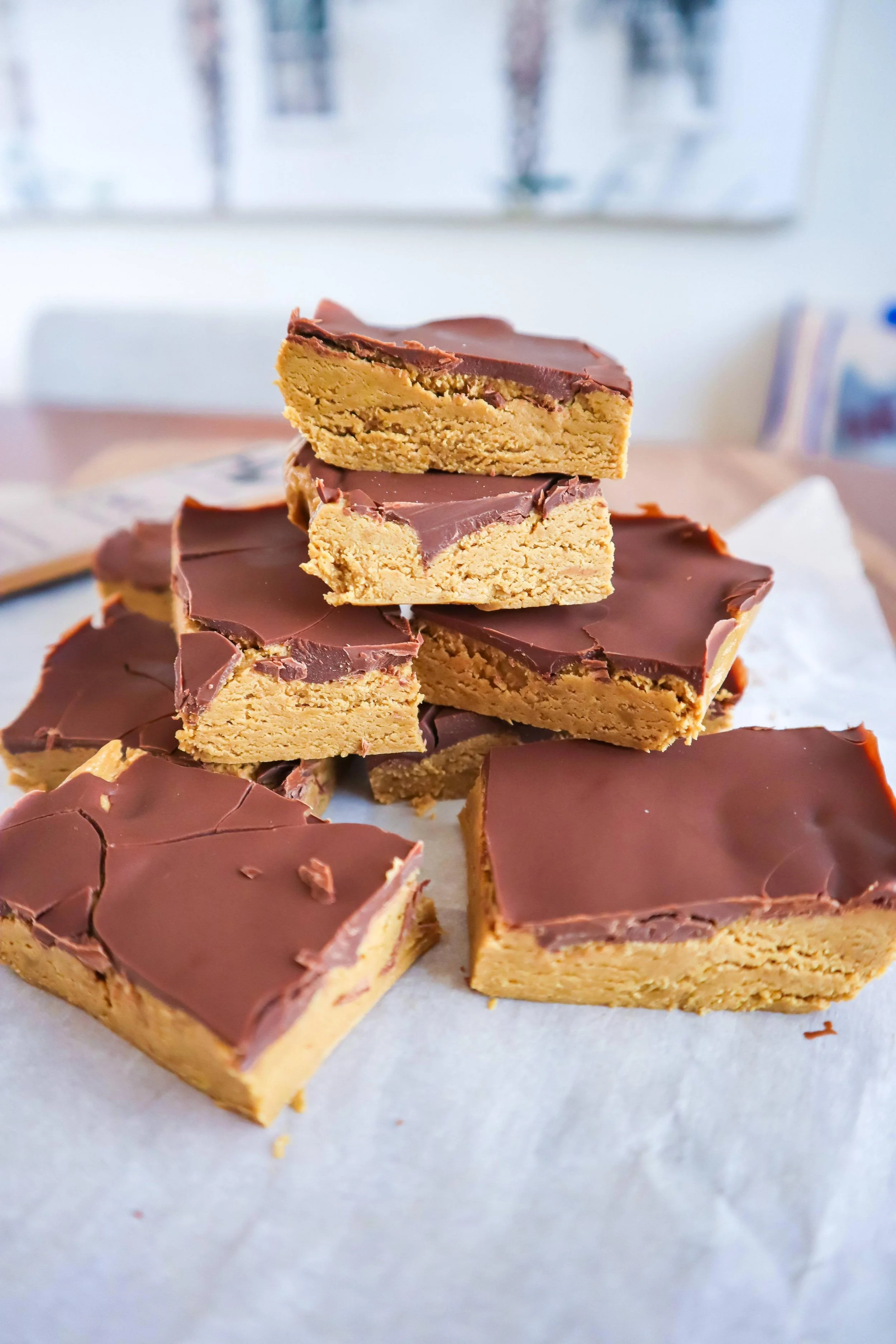
This is as much about the process as it is the food. It is a no-bake recipe, which means toddlers can help with every step. Mixing, pressing, and cutting turns it into an activity, and they are much more likely to eat something they helped make. They store well in the fridge and are great for busy days.
Air Fryer Donut Holes
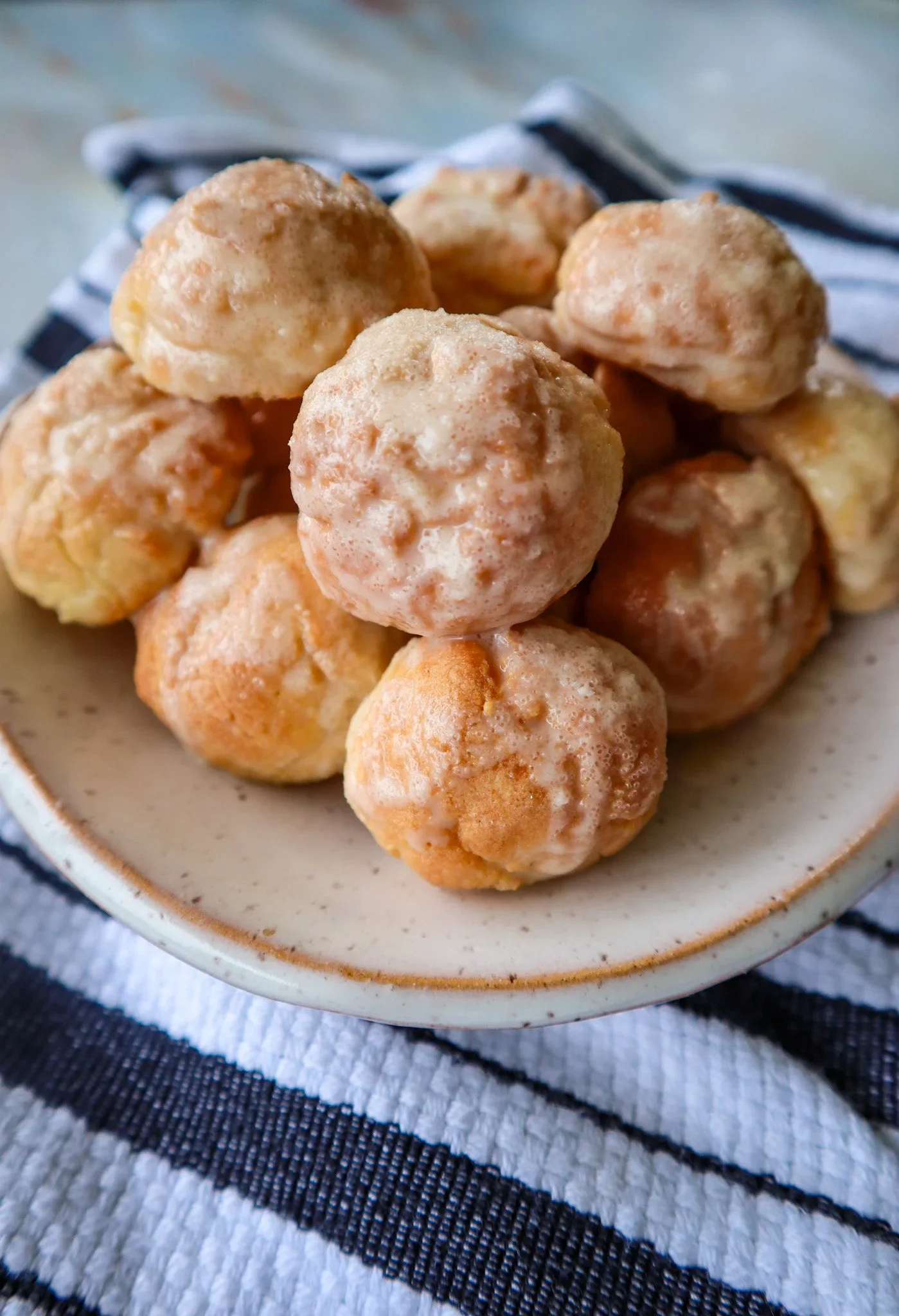
These are a fun treat that you can feel good about serving occasionally. They are soft, lightly sweet, and made without deep frying, which makes them a lighter option than traditional versions. Perfect for when you want something a little special without going overboard.
Smoothies
The smoothie section is one of the most effective tools I use for increasing a toddler’s intake of nutritious food, especially when it comes to vegetables. If you have a picky eater, this is one of the easiest ways to add variety without creating resistance at meal times.
Chocolate Frosty Smoothie | Blueberry Kale Smoothie | Protein Snickers Smoothie | Almond Butter Banana Smoothie for Kids
I make smoothies several times a week, and they are consistently one of the easiest wins. The reason they work so well is because everything blends into a smooth, familiar texture, which removes a lot of the hesitation toddlers have around new foods. I regularly add spinach, zucchini, and even frozen cauliflower, and none of it changes the taste in a noticeable way. The fruit naturally sweetens everything, and the result is something that feels like a treat but is actually packed with nutrients.
If you are trying to introduce new flavors or increase vegetable intake, smoothies are one of the most practical tools you can use. They require almost no effort, take just a few minutes to make, and can easily become part of your regular routine without feeling like extra work.
How to Get Toddlers to Eat Vegetables
If you are dealing with picky eating, especially when it comes to vegetables, this is usually the hardest part. I get asked about this more than anything else, and these are the strategies that have actually worked in our house.
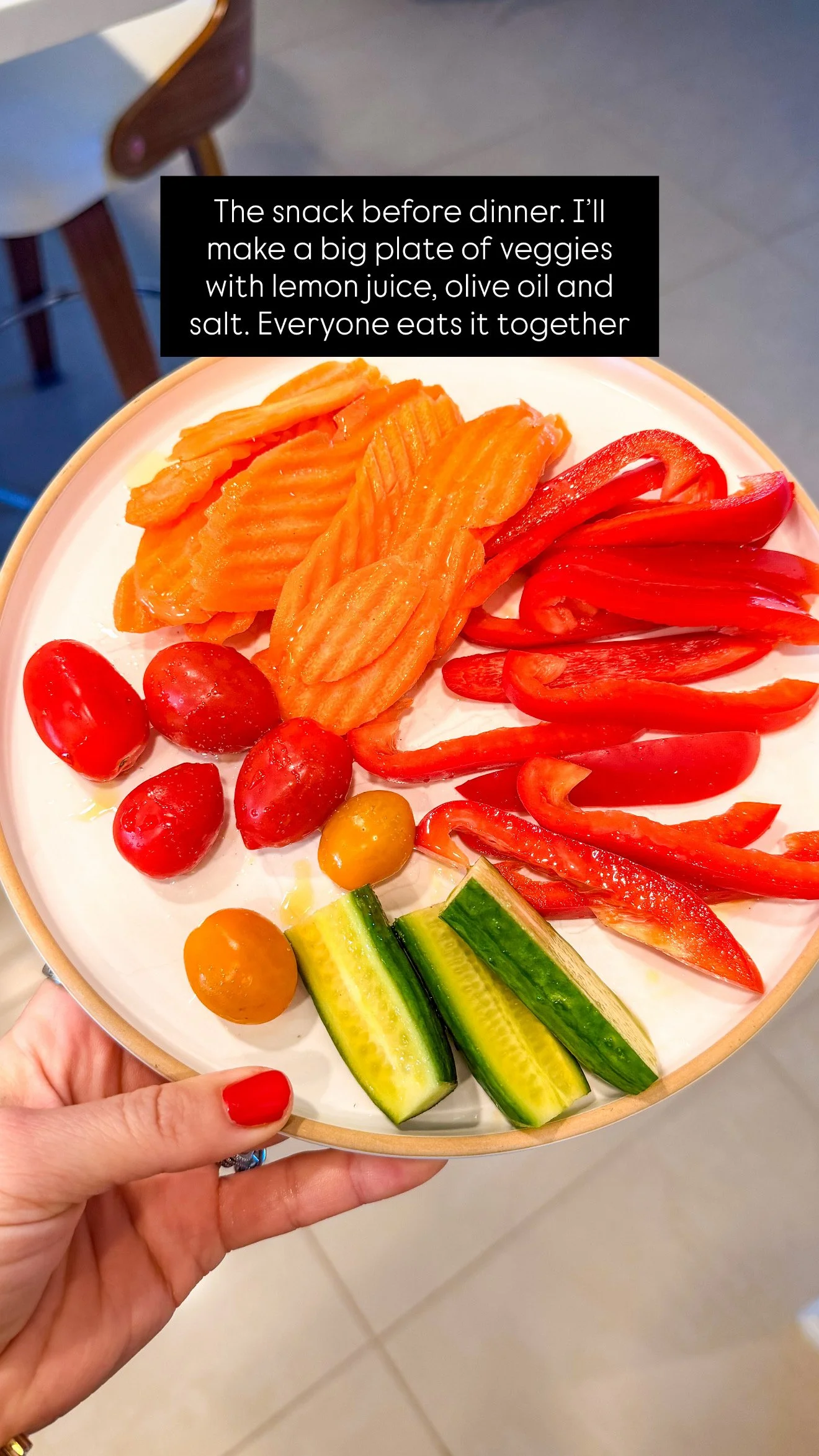
The Veggie Starter Plate
This is the single most effective strategy I have found, and it is something I come back to every single day. About 30 minutes before dinner, I put a small plate in front of Olive with simple raw vegetables like cucumbers, bell peppers, carrots, and snap peas. I drizzle them with olive oil, a little lemon juice, and a pinch of sea salt.
She eats them almost every time.
The reason this works has nothing to do with how the vegetables are prepared and everything to do with timing. Toddlers are hungriest before a meal, not during it. By the time dinner is served, they are often more selective and less willing to try new things. That window before dinner is when they are most open, and using it intentionally makes a huge difference over time.
Add Vegetables Into Foods They Already Love
This is one of the easiest ways to increase vegetable intake without creating a battle. Spinach blends into smoothies, zucchini disappears into muffins, and carrots can be mixed into meatballs or pasta sauce without changing the overall flavor. When vegetables are incorporated into the texture of a familiar food, toddlers are much more likely to accept them.
And honestly, this is not cheating. It is a practical way to make sure your child is getting the nutrients they need while you continue to offer whole vegetables alongside.
Roast Everything
Roasting completely changes how vegetables taste. It brings out their natural sweetness and creates a softer texture with slightly crispy edges, which tends to be much more appealing to picky eaters. If your toddler refuses raw vegetables, try roasting options like sweet potatoes, broccoli, carrots, or zucchini with a little olive oil and salt. It is often a completely different experience for them.
Keep It Low Pressure
This part is just as important as the food itself. I do not force bites, negotiate, or turn vegetables into a big moment at the table. The more pressure there is, the more resistance you will usually get. Instead, I keep offering the foods consistently and let Olive decide what she wants to do with them. Over time, that low-pressure exposure builds familiarity and trust.
Model the Behavior
Toddlers are constantly watching what we do. If they see you eating vegetables regularly, they are much more likely to become curious and eventually try them themselves. Some of the biggest breakthroughs I have seen with Olive have come from her watching me eat something and deciding she wants to try it too. It is a slower approach, but it goes a long way in building a healthy relationship with food.
Toddler Lunchbox Ideas
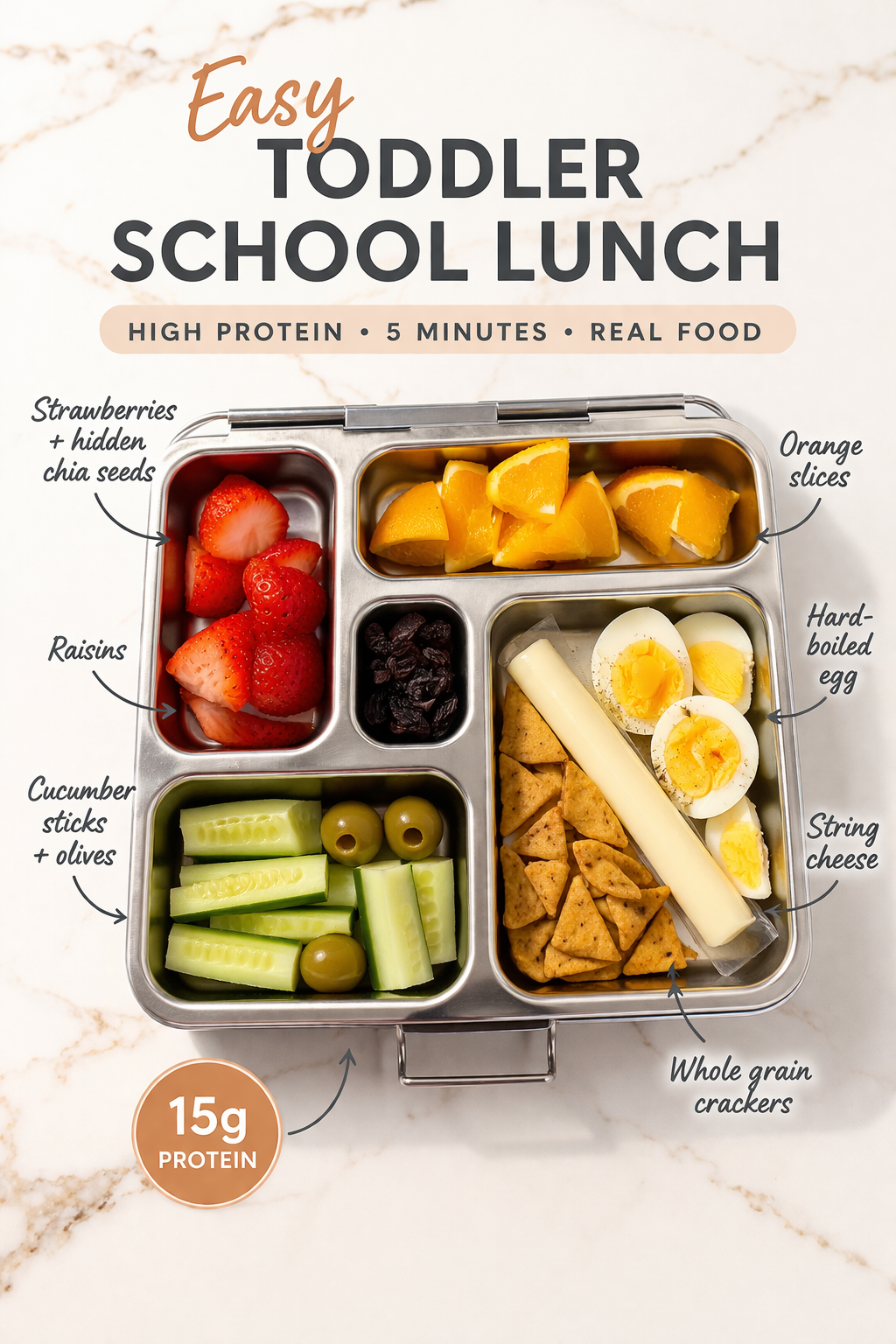
I keep this part of the day as simple as possible, because it needs to be sustainable.
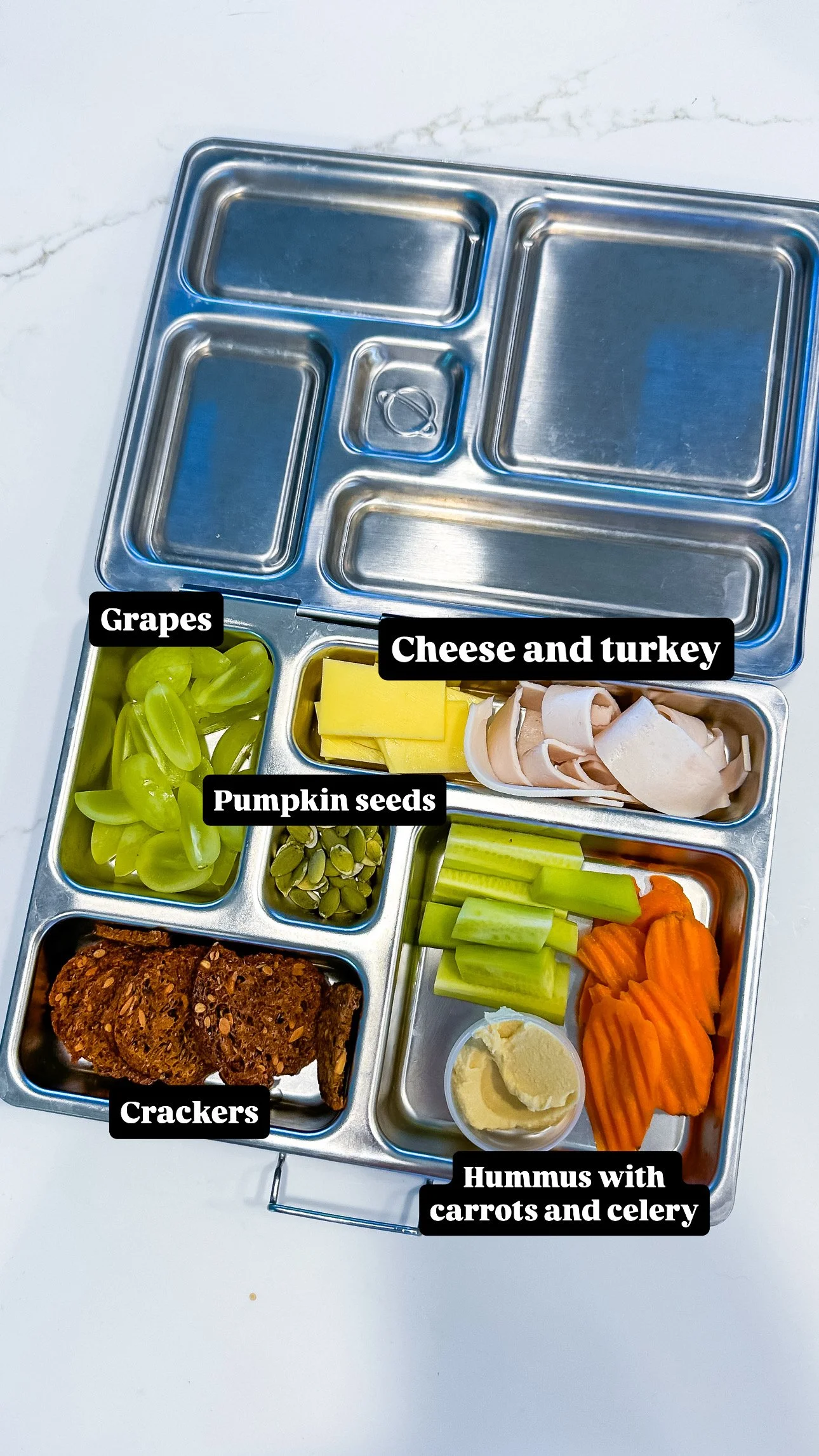
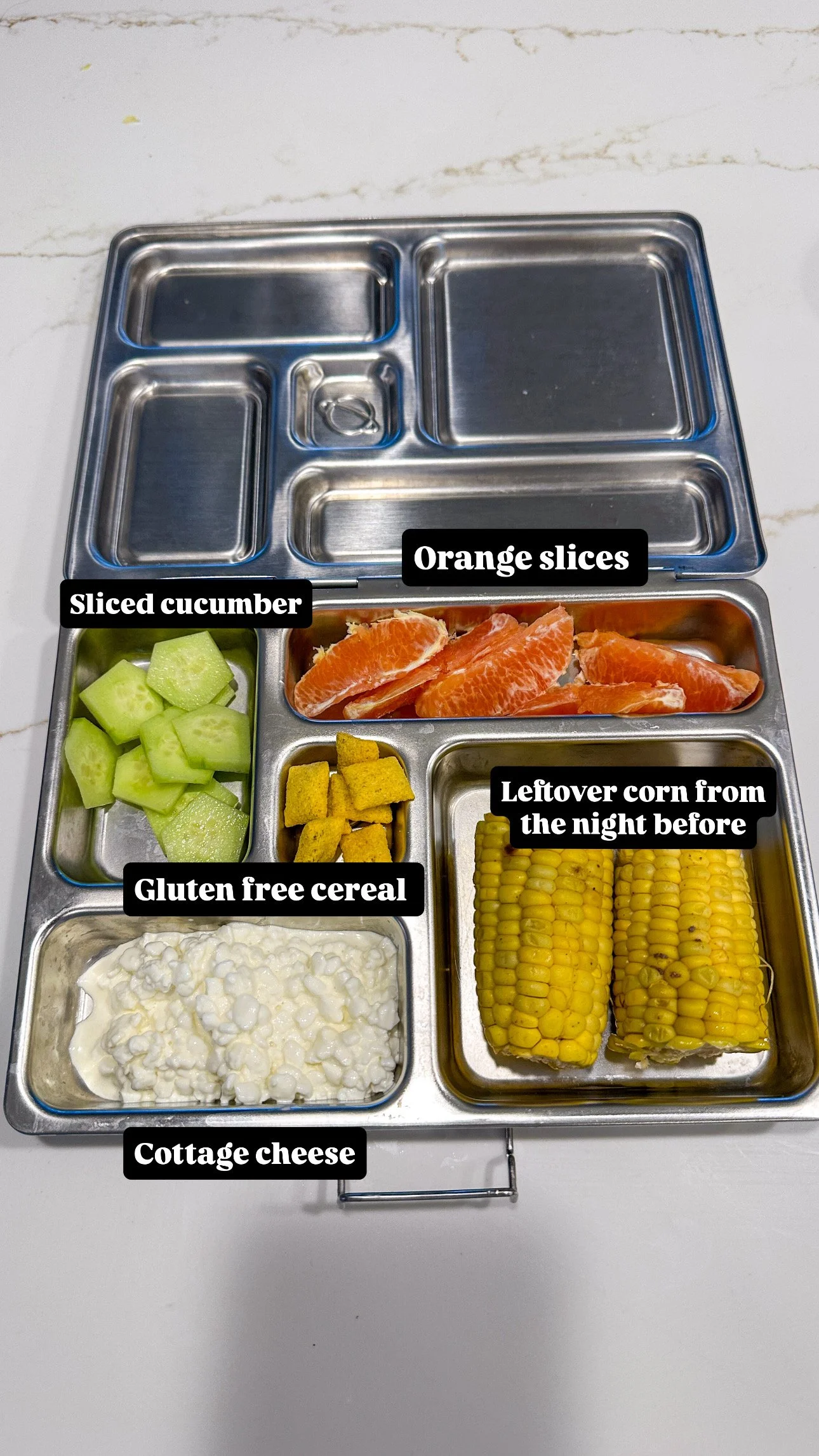
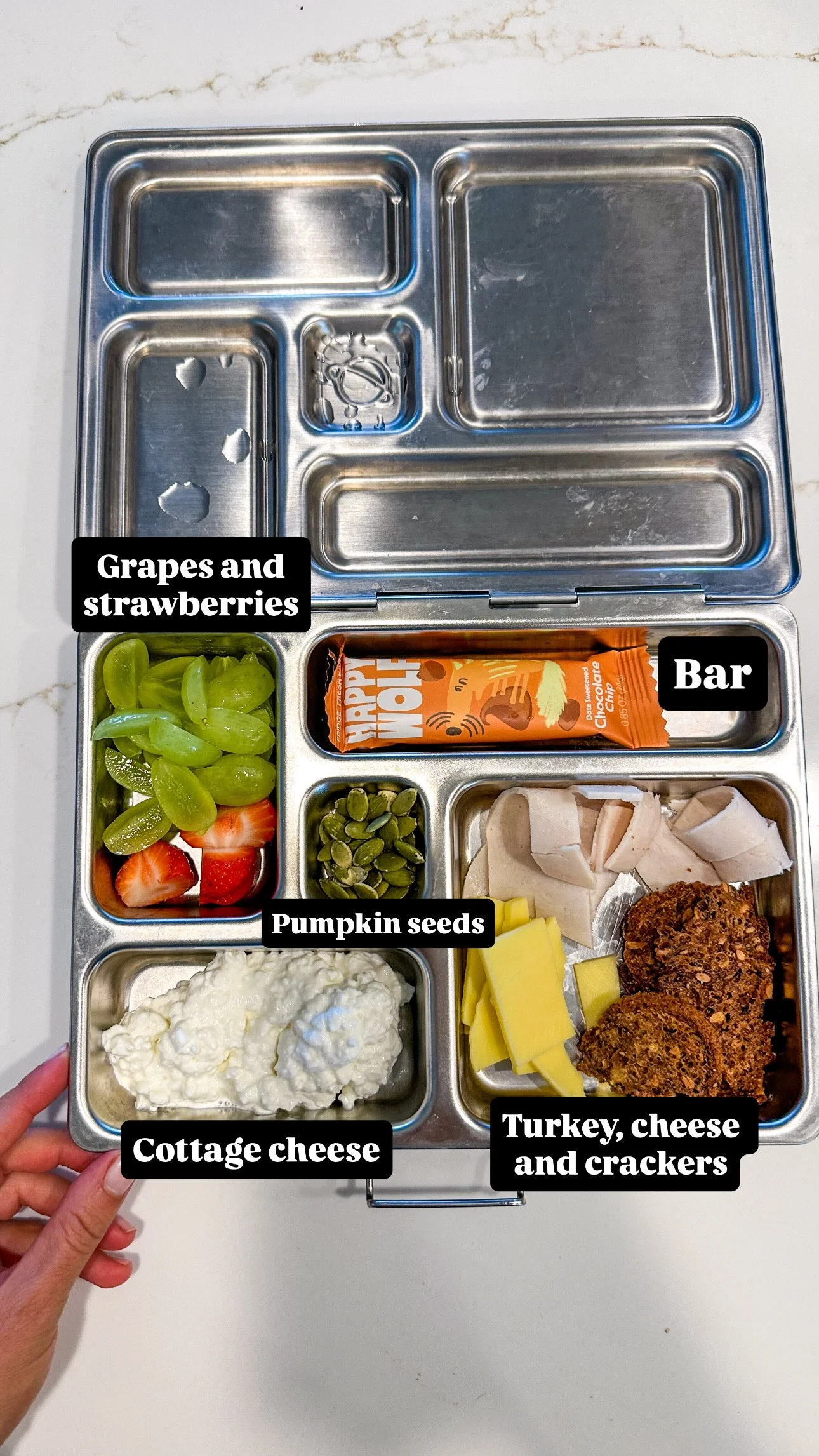
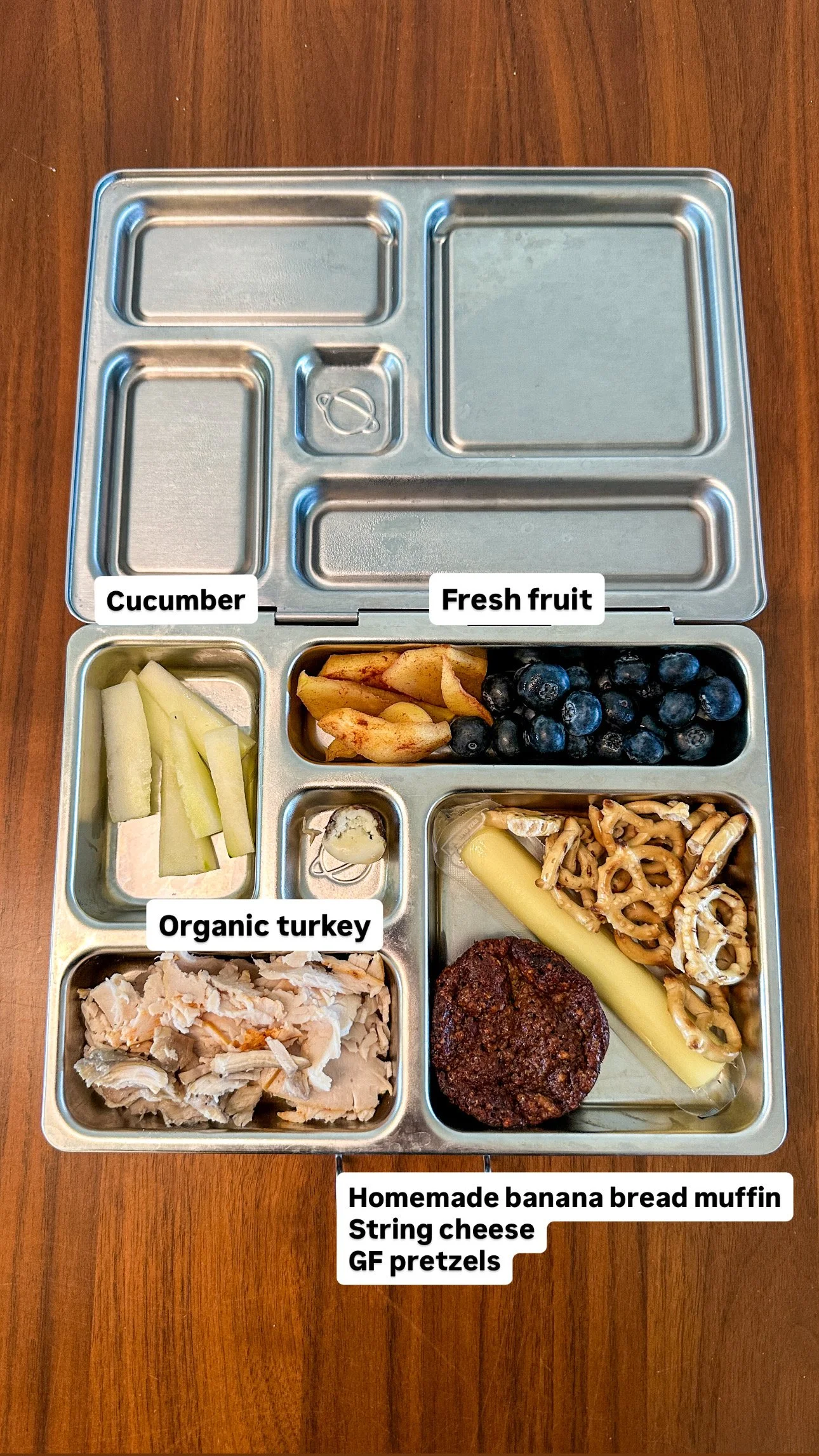
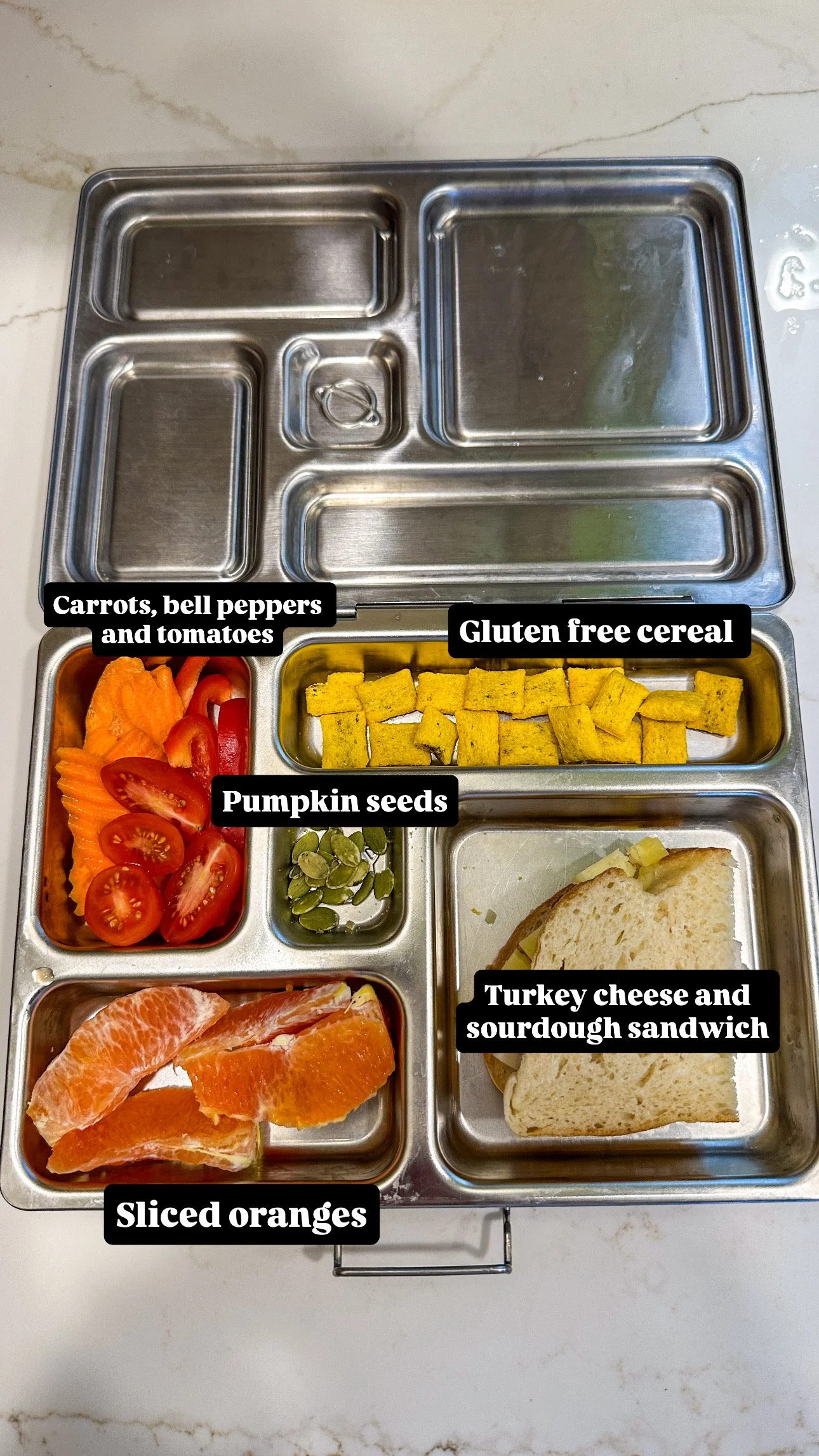
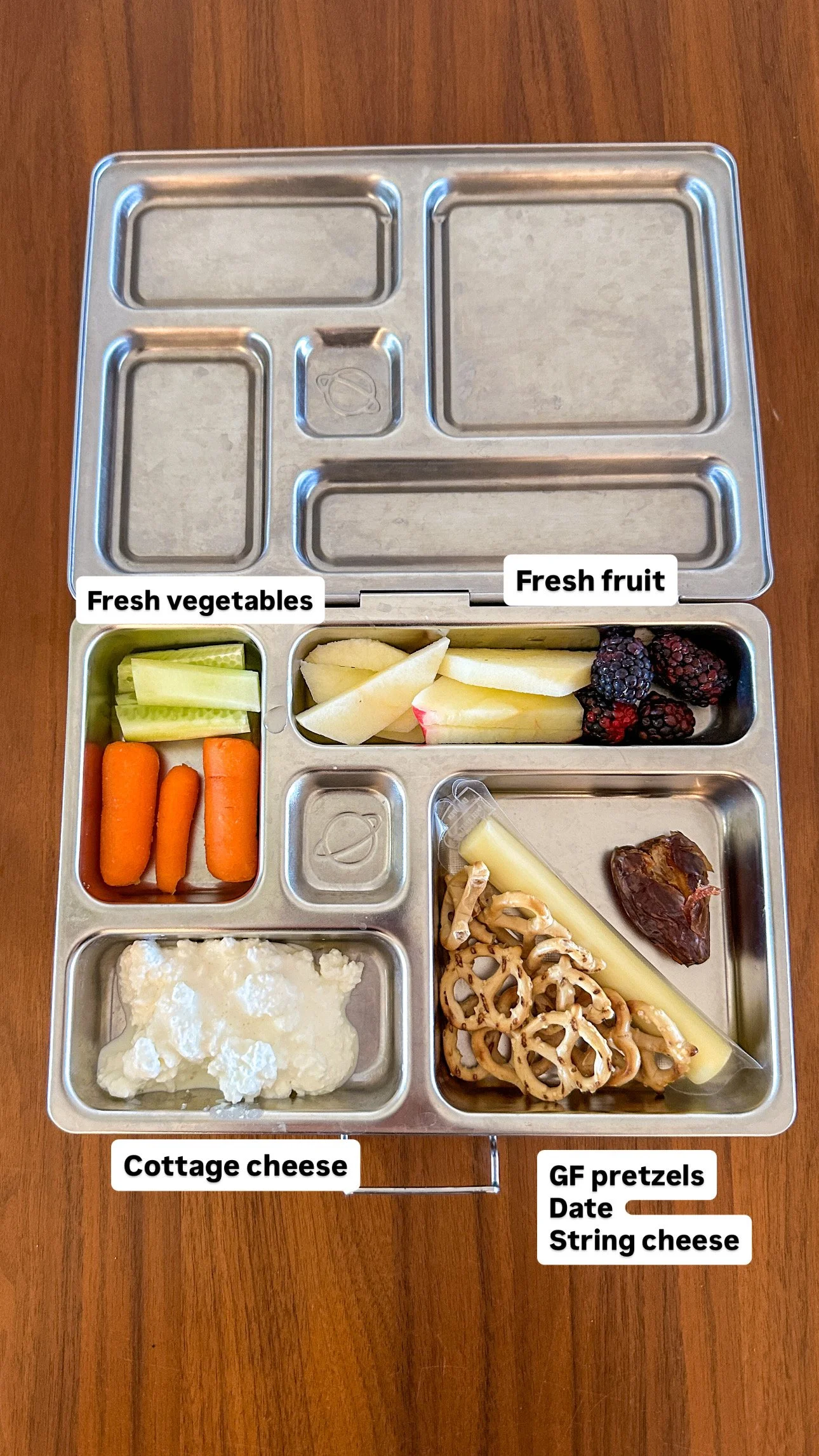
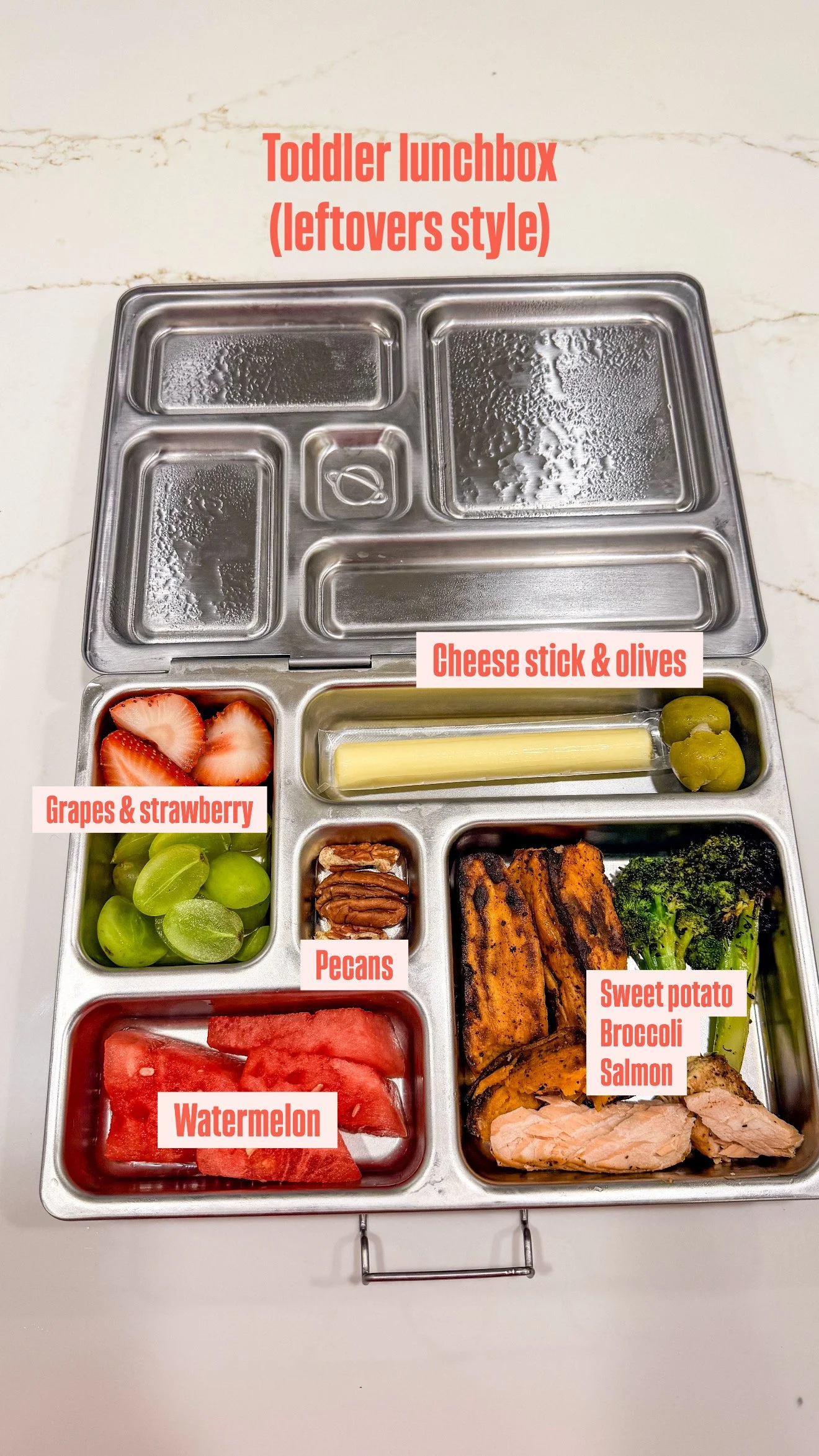
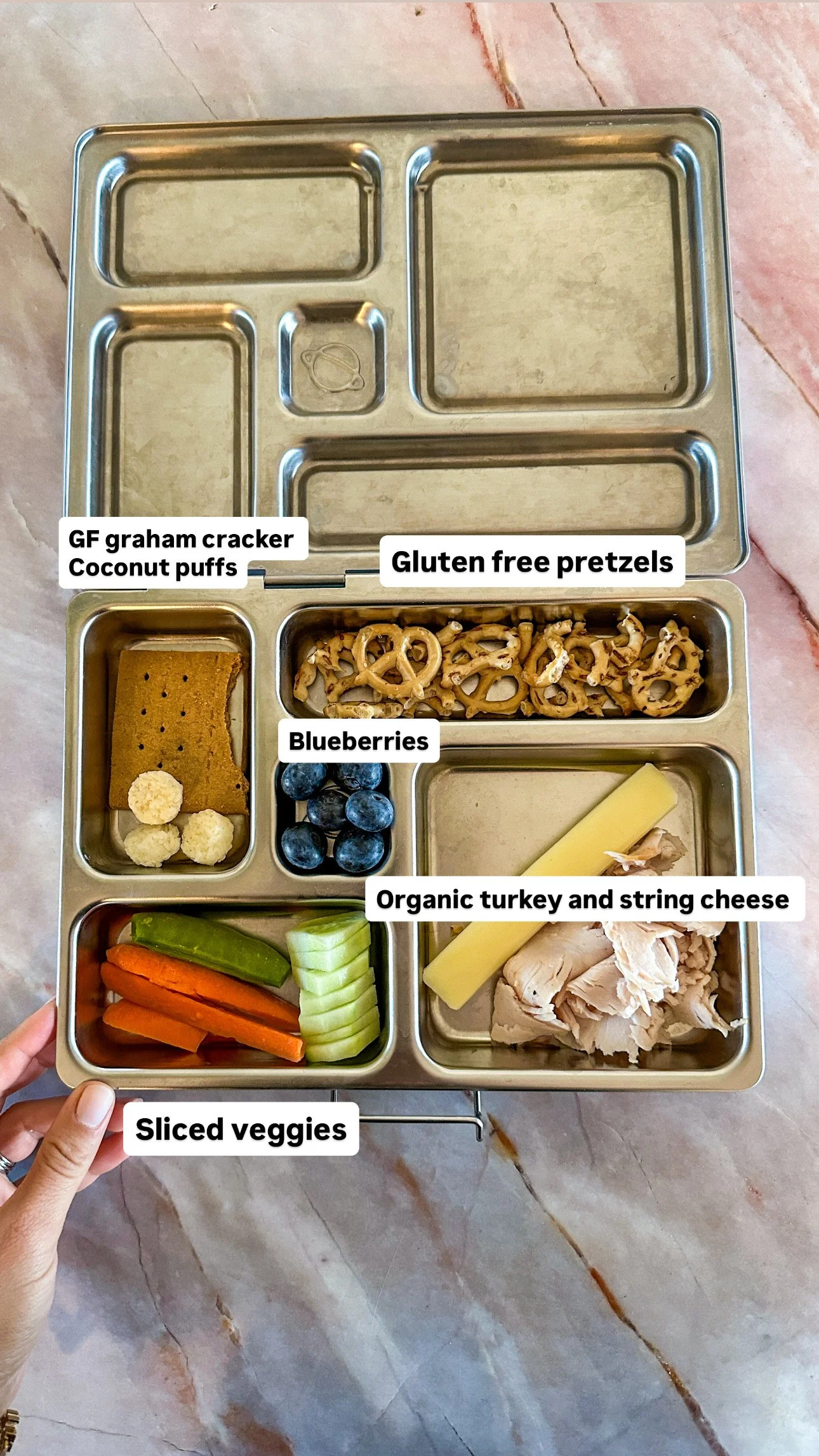
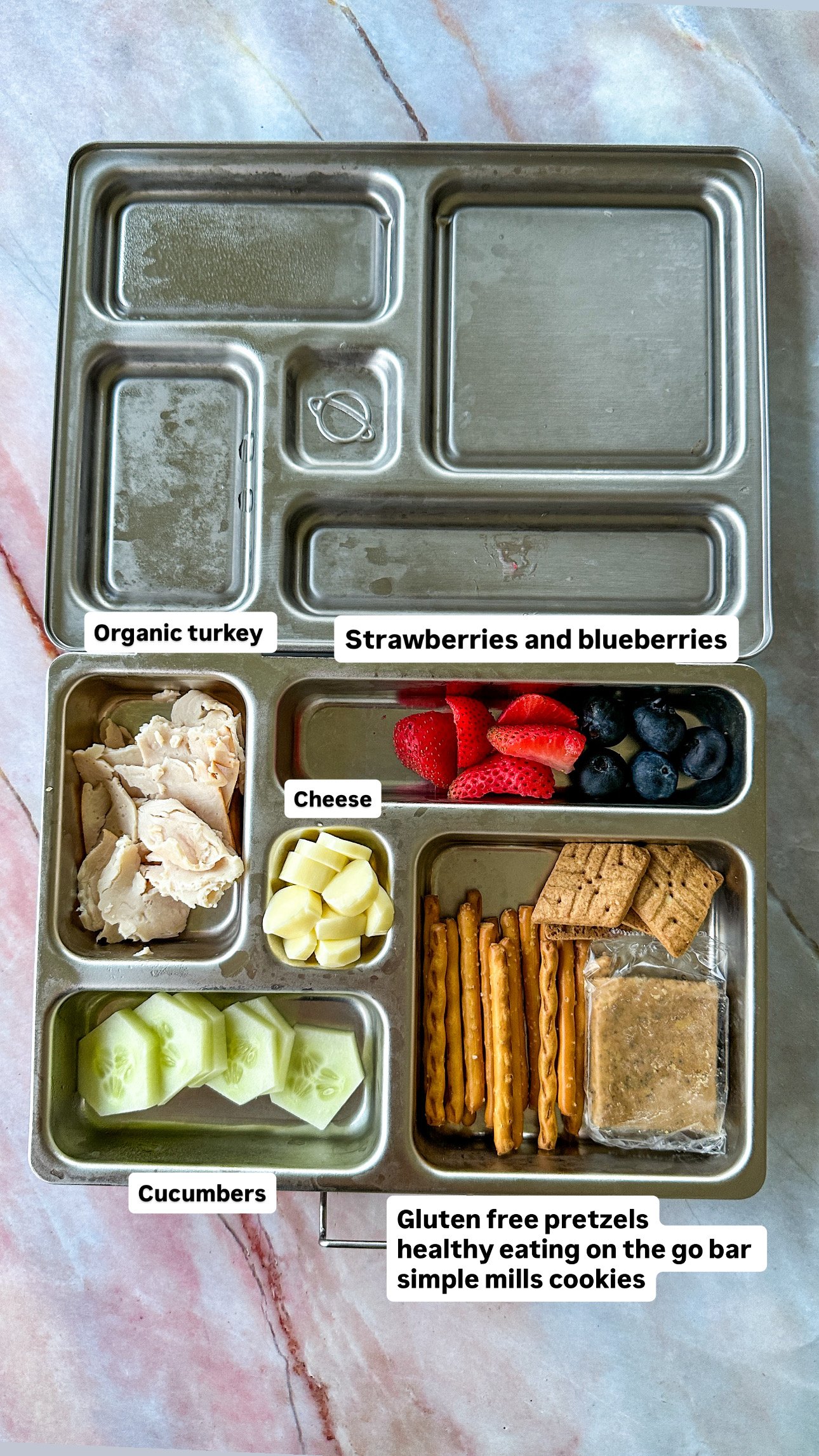
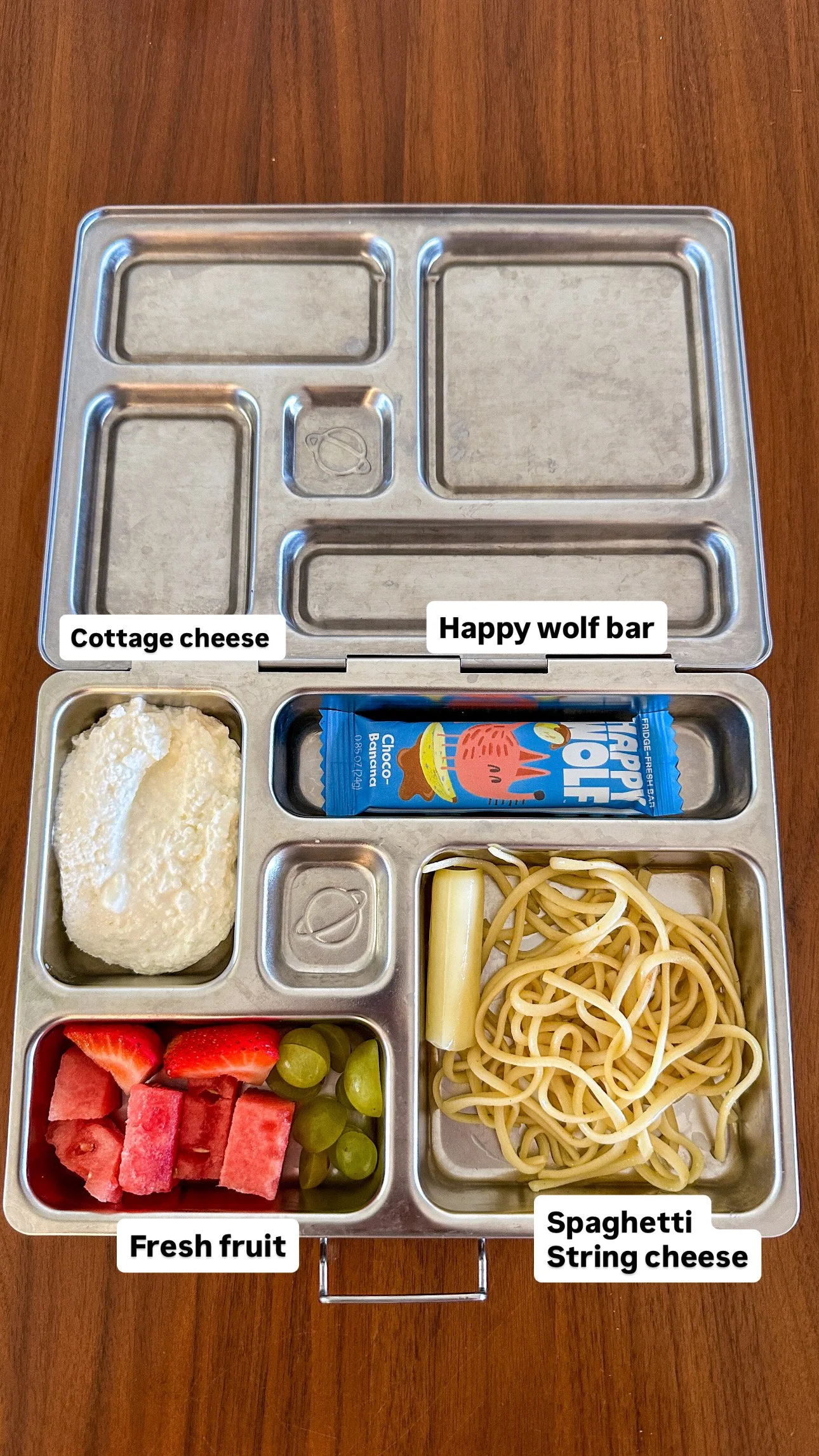
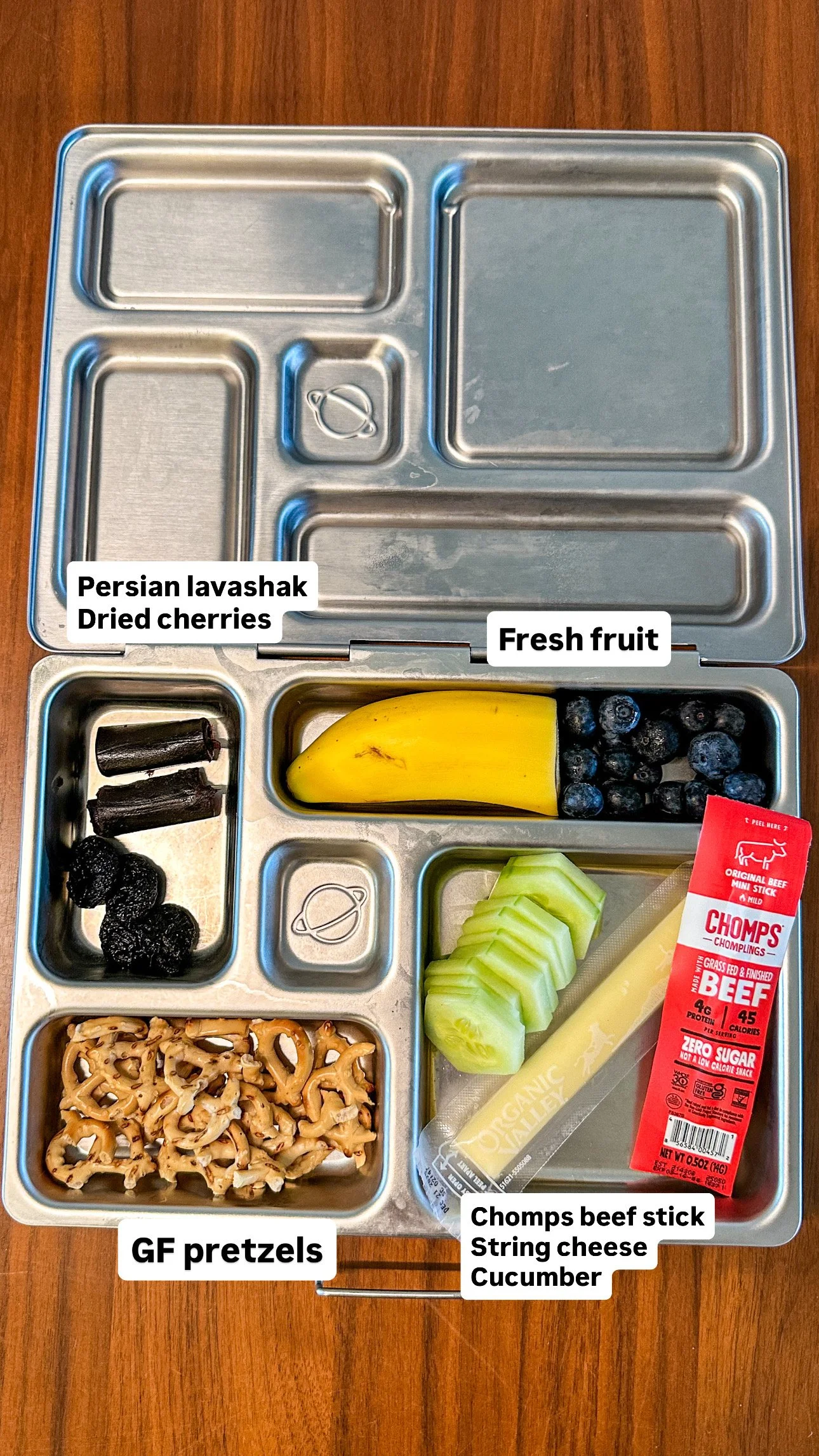
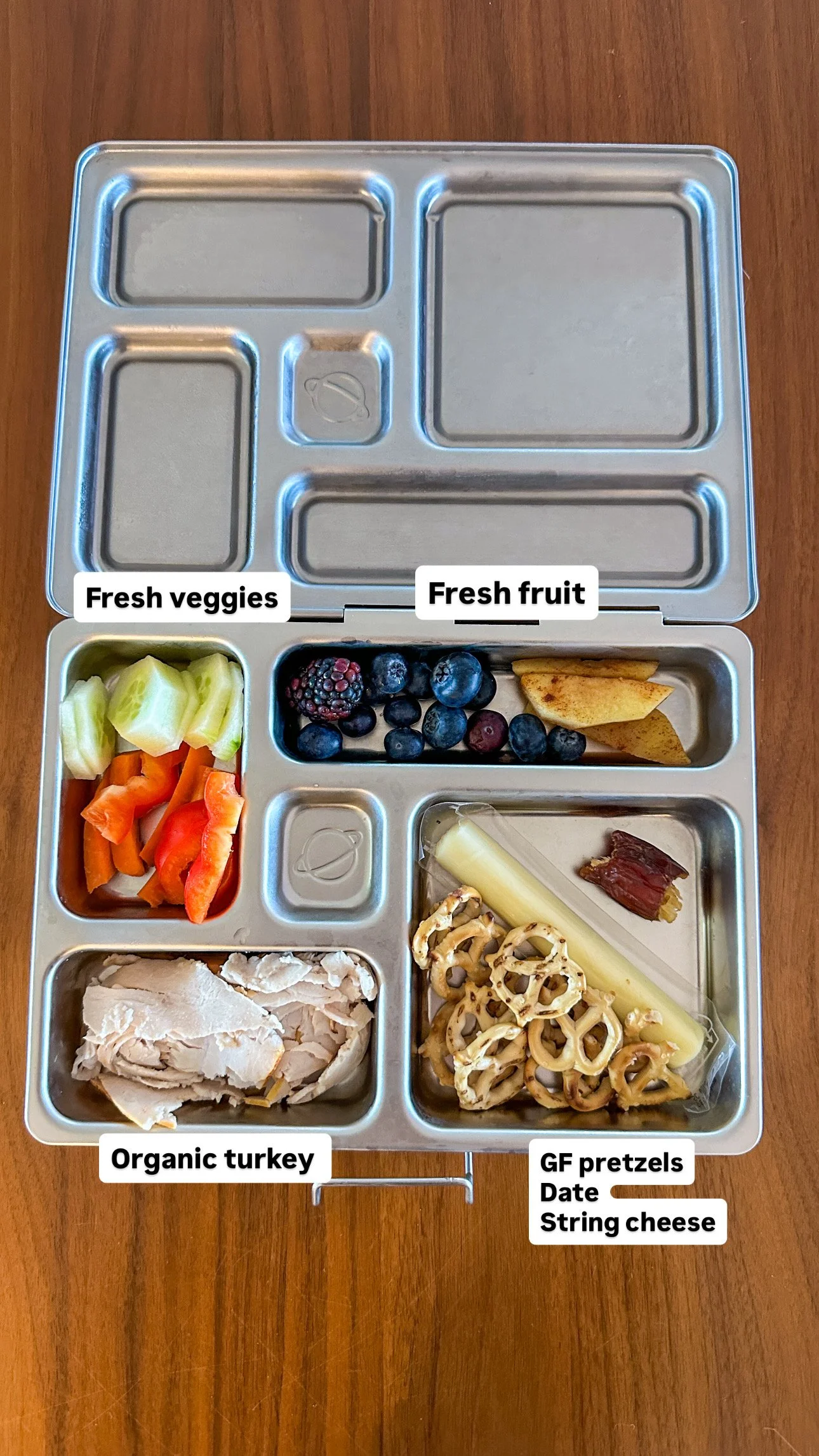
The formula I follow is protein, carb, and fruit. That is it. No overthinking, no complicated prep, no themed lunch boxes.
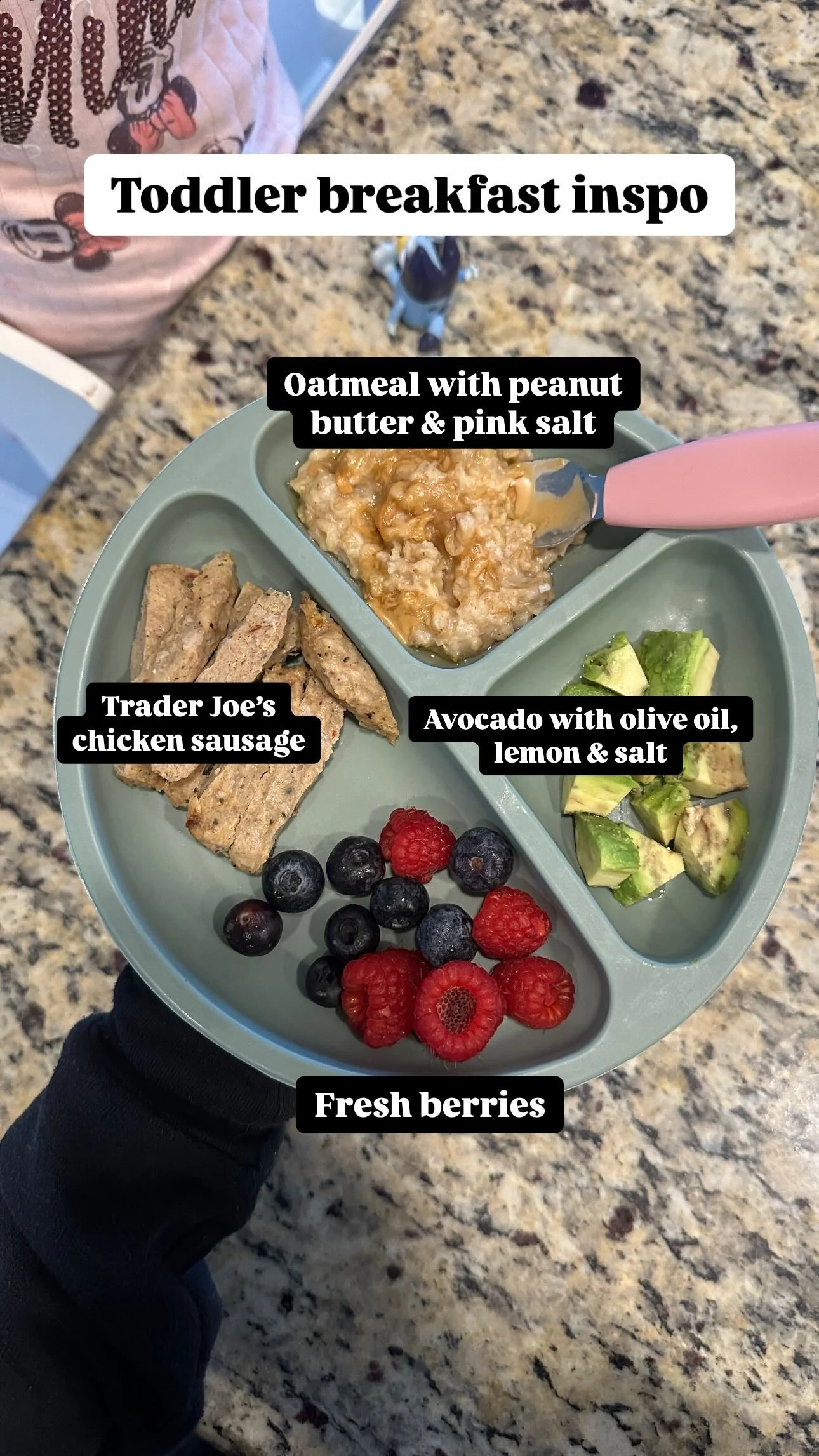
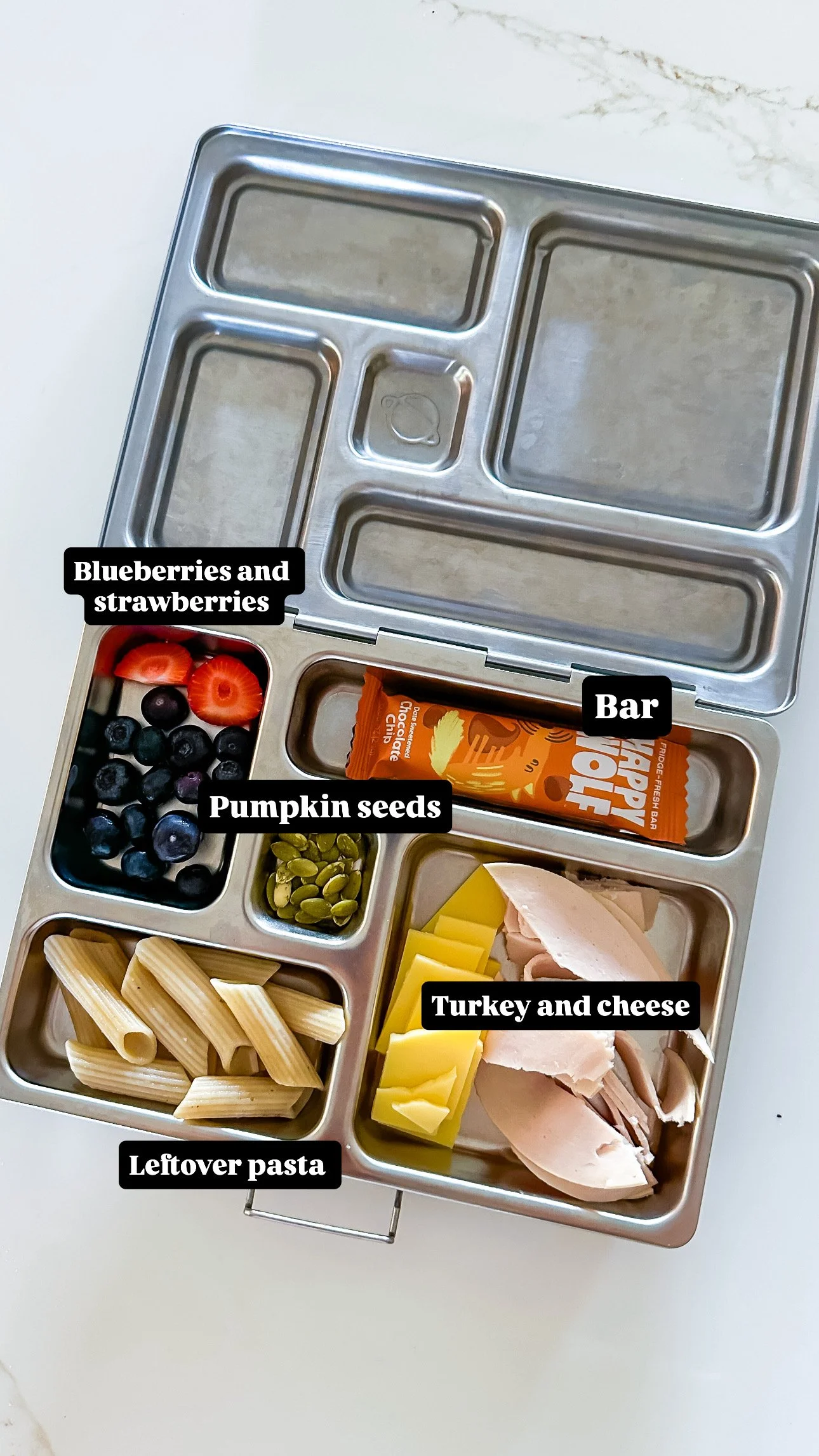
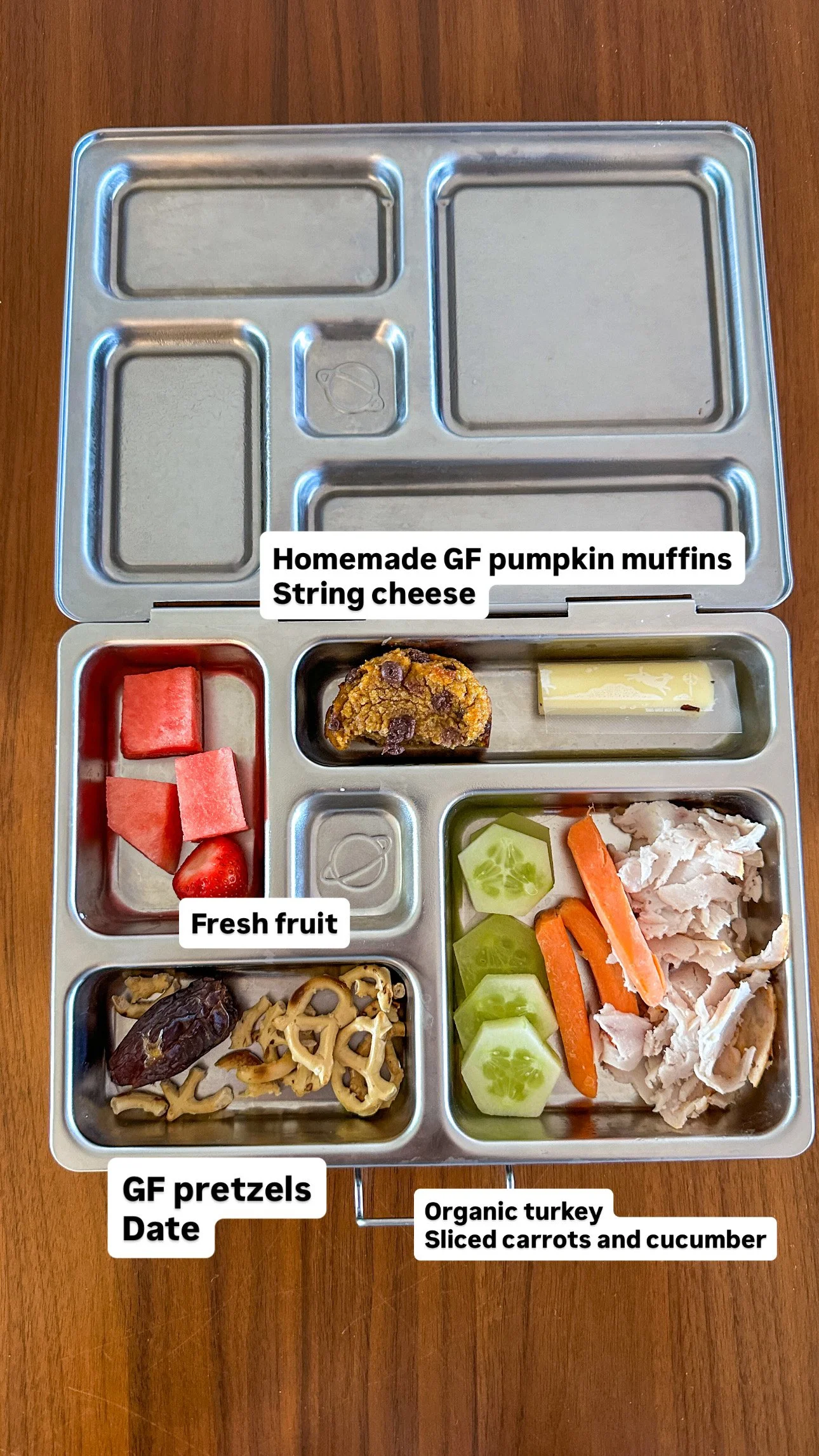
Most days it looks like beef sticks or a cheese stick for protein, crackers or a small piece of toast for the carb, and grapes or berries for fruit. Everything goes into a lunch box in separate compartments and we are done. These are all foods Olive already knows and likes, which makes a big difference when it comes to actually eating what I pack.
One habit that has made this even easier is packing her lunch the night before while I am already in the kitchen making dinner. The cutting board is out, the fridge is open, and it takes maybe three extra minutes to put everything together. If I wait until the morning, it turns into a rushed decision and I am much more likely to overcomplicate it.
Predictability is not boring for picky toddlers, it is helpful. Familiar foods give them confidence at meal times, especially when they are away from home. Keeping things simple and consistent is often the best approach.
Toddler Lunchbox Ideas (That Do Not Require a Plan)
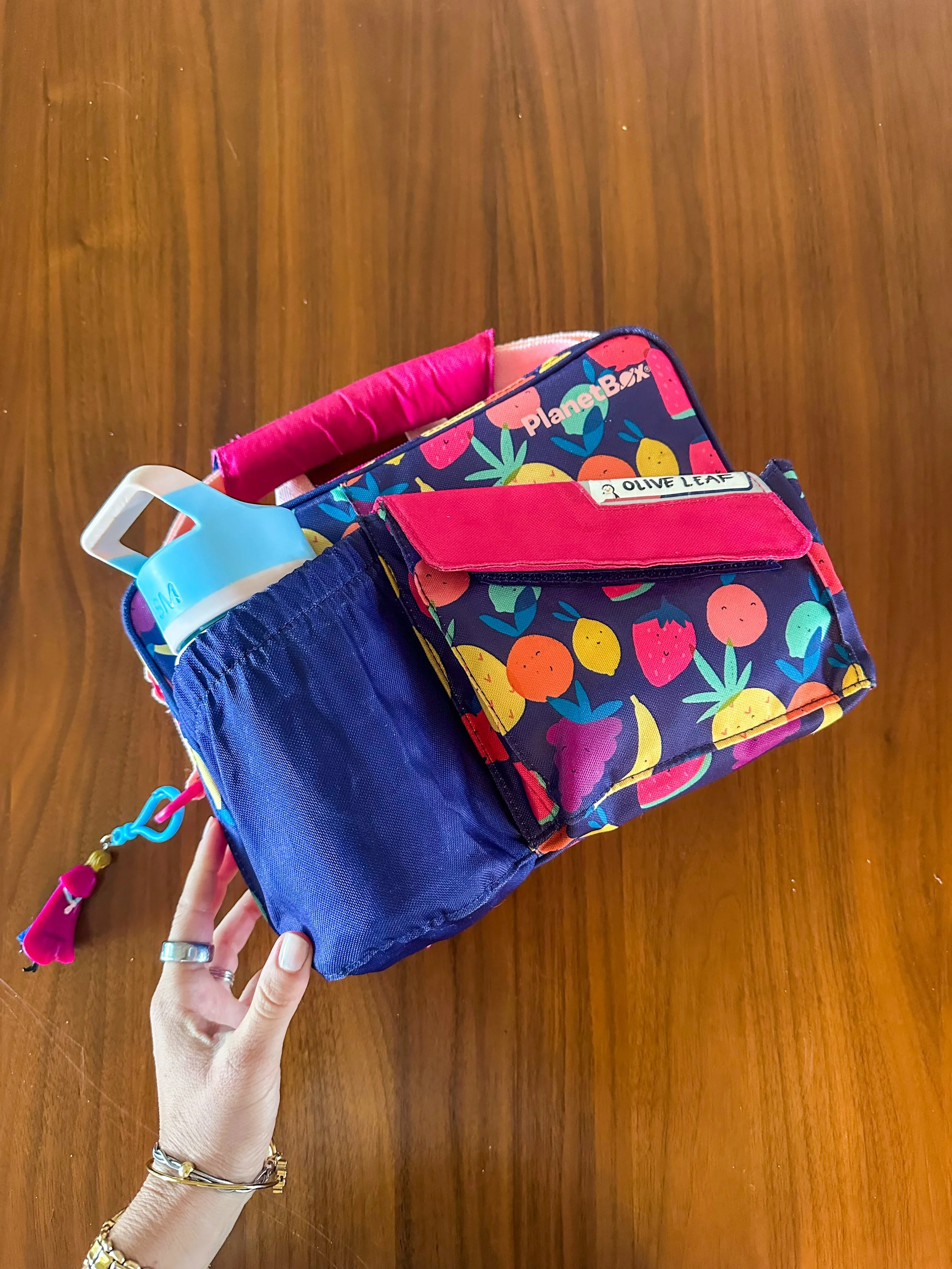
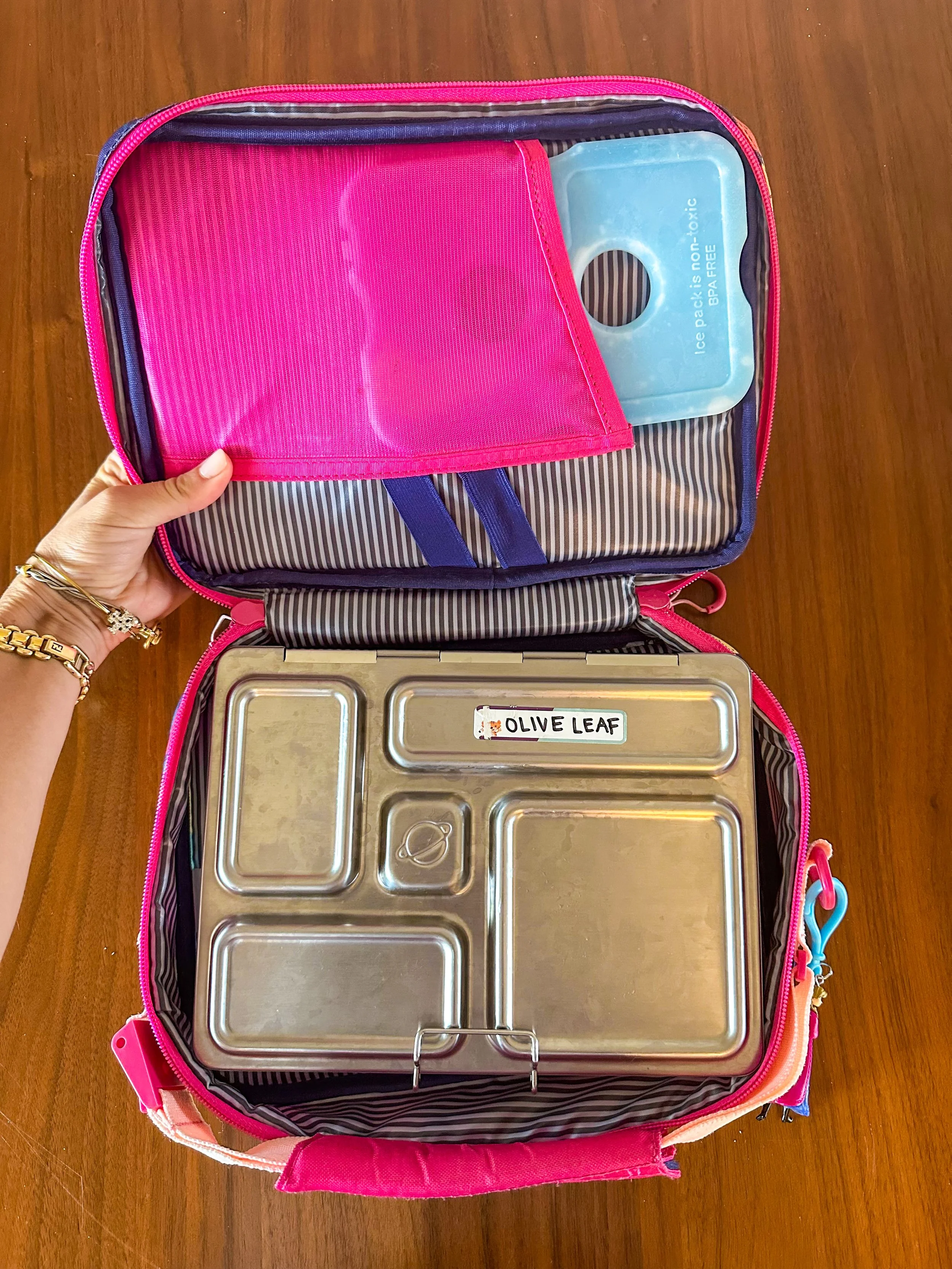
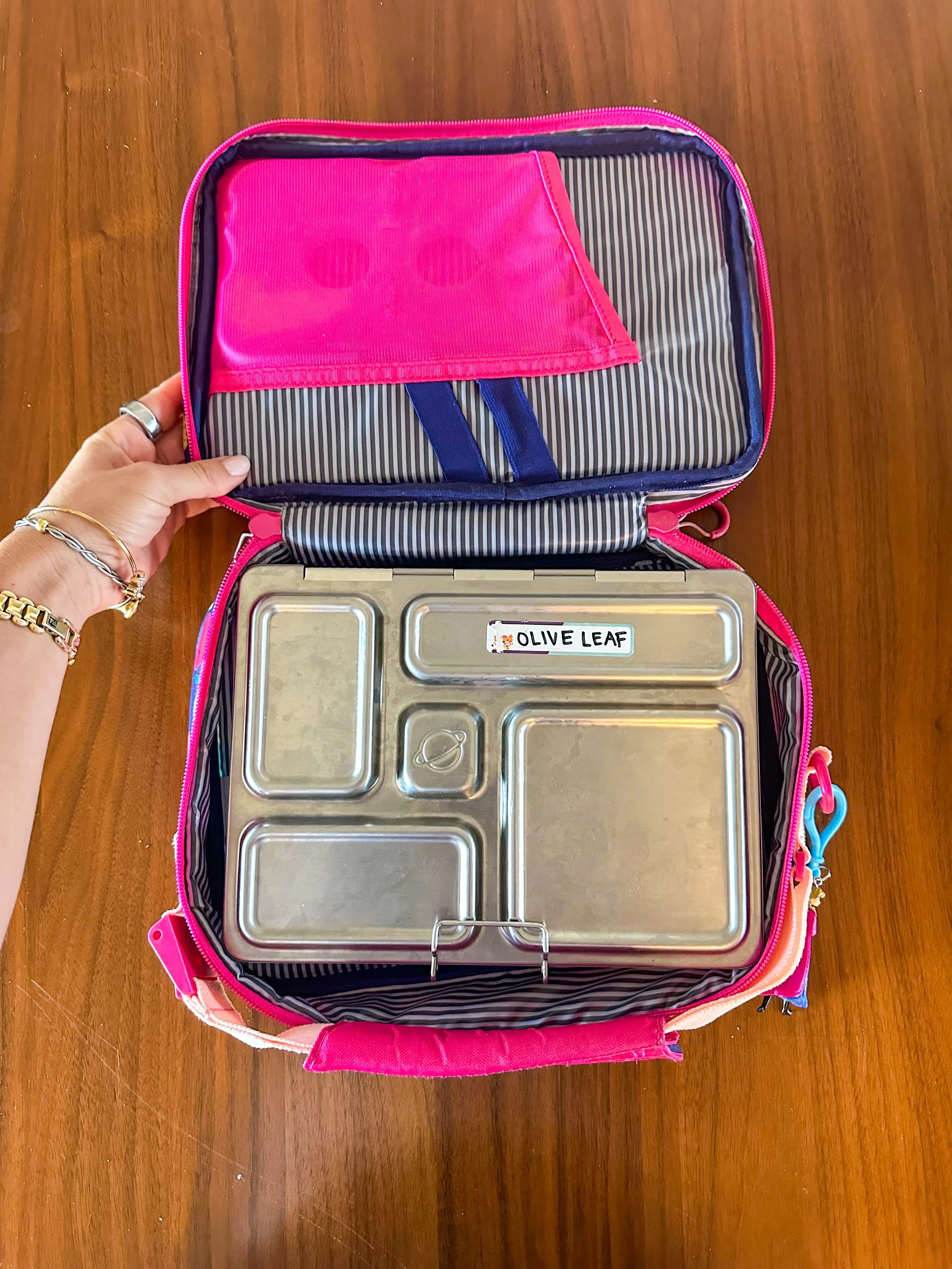
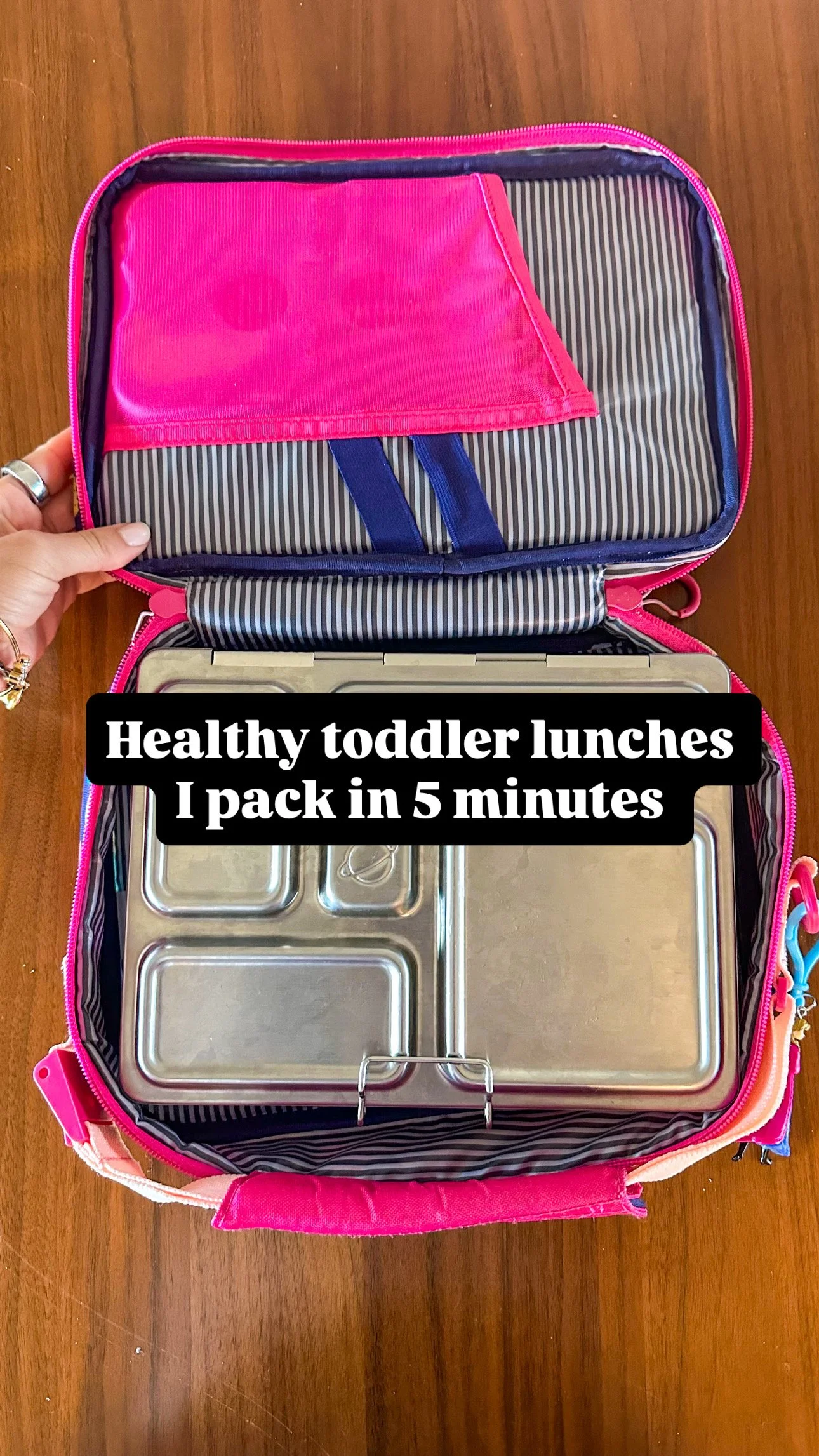
I use a stainless steel bento box and I do not overcomplicate this part of the day. The lunchbox is essentially snack food in a box, just organized in a way that makes sense.
Most days it looks like this: beef sticks, a few crackers, a cheese stick, and grapes or berries. Done.
I am not making a themed bento with a cartoon animal carved out of a bell pepper. I am putting whole, real foods into compartments, choosing things I know Olive will actually eat, and moving on with my life. That alone removes so much pressure around lunch.
One habit that has genuinely helped is packing her lunch the night before while I am already making dinner. I am already in the kitchen, the cutting board is out, and it takes maybe three extra minutes to put everything together. If I leave it until the morning, it turns into a rushed decision and the quality always goes down.
The framework I follow is simple: protein, carb, and fruit. Beef sticks or string cheese for protein, crackers or a small piece of toast for the carb, and whatever fruit is already washed, cut, or in season. If your toddler will eat a vegetable, add it in. If not, that is okay too.
The goal is to keep it simple enough that your child can recognize every item and already knows they like it. Predictability in a lunchbox is not boring, it is strategic, especially for picky eaters.
Shop what I use for lunch:
Where I Source Healthy Toddler Snacks and Pantry Staples
For packaged snacks that actually pass ingredient scrutiny, I use Thrive Market. This is not a recommendation I make lightly. As someone who has spent years working with food and reading labels, I am very particular about what I bring into our home.
What makes Thrive Market work so well for our family is the filtering system. I can search by gluten-free, peanut-free, seed oil-free, and a long list of other parameters, which means I am not standing in a grocery store aisle reading labels for 20 minutes. I find what I need, filter down to the cleanest options, and order in bulk so I am never scrambling when snack time hits.
The prices are also consistently lower than what I find at places like Whole Foods or Sprouts for the same brands. If you are buying clean snacks regularly, the membership tends to pay for itself pretty quickly just from the savings and convenience. Right now, new members can get 30% off their first order through this Thrive Market discount.
For my full curated list of healthy toddler snacks, including everything I keep stocked in our pantry, you can browse my complete healthy snacks list.
FAQs
-
The most effective approach is repeated exposure without pressure. Toddlers often need to see a new food 10 to 15 times before they are willing to try it. Keep offering small portions alongside familiar foods and let them explore it at their own pace. Avoid forcing bites or turning it into a negotiation, as that can actually increase resistance.
-
Balanced meals that include protein, healthy fats, and carbohydrates tend to work best. Think simple combinations like ground beef and rice, chicken nuggets with sweet potatoes, or yogurt with granola and fruit. Familiar textures and easy-to-eat formats like finger foods usually lead to more success than complex meals.
-
It is more common than you think. Toddlers’ appetites fluctuate daily, and refusal at one meal does not mean they are not getting enough overall. Stick to a consistent meal and snack schedule, offer a variety of foods, and avoid replacing dinner with something completely different. Trust that they will eat when they are hungry.
-
Focus on variety over time, not perfection at every meal. If your toddler eats well at breakfast and snacks but skips vegetables at dinner, that is okay. Smoothies, muffins, and mixed dishes are also great ways to add nutrients without creating stress around food.
-
Yes, smoothies are one of the easiest ways to increase nutrient intake, especially for fruits and vegetables. Ingredients like spinach, zucchini, and cauliflower blend seamlessly into fruit-based smoothies without affecting taste, making them a great option for picky toddlers.
-
It is generally not recommended. Offering a modified version of the family meal helps toddlers get used to different foods and prevents them from expecting a separate option. Keep at least one “safe” food on the plate that you know they like, and let them decide what to eat from what is offered.
A Note From a Nutritional Therapist and a Mom
If you are in the thick of picky eating right now, I see you. It can feel frustrating, confusing, and honestly a little defeating on some days.
But here is what I want you to remember. Your toddler does not need perfect meals. They need consistent exposure to healthy food, low-pressure meal times, and a parent who keeps showing up and offering a variety of foods over time.
Some days will feel like a win. Other days will feel like nothing worked at all. Both are completely normal and both are part of the process.
You are not raising a perfect eater overnight. You are raising a future adventurous eater slowly, through repetition, consistency, and a positive environment around food.
If you made it this far, I would genuinely love to hear from you. What is one meal your toddler actually eats right now? Leave a comment below so we can all share ideas and help each other out.

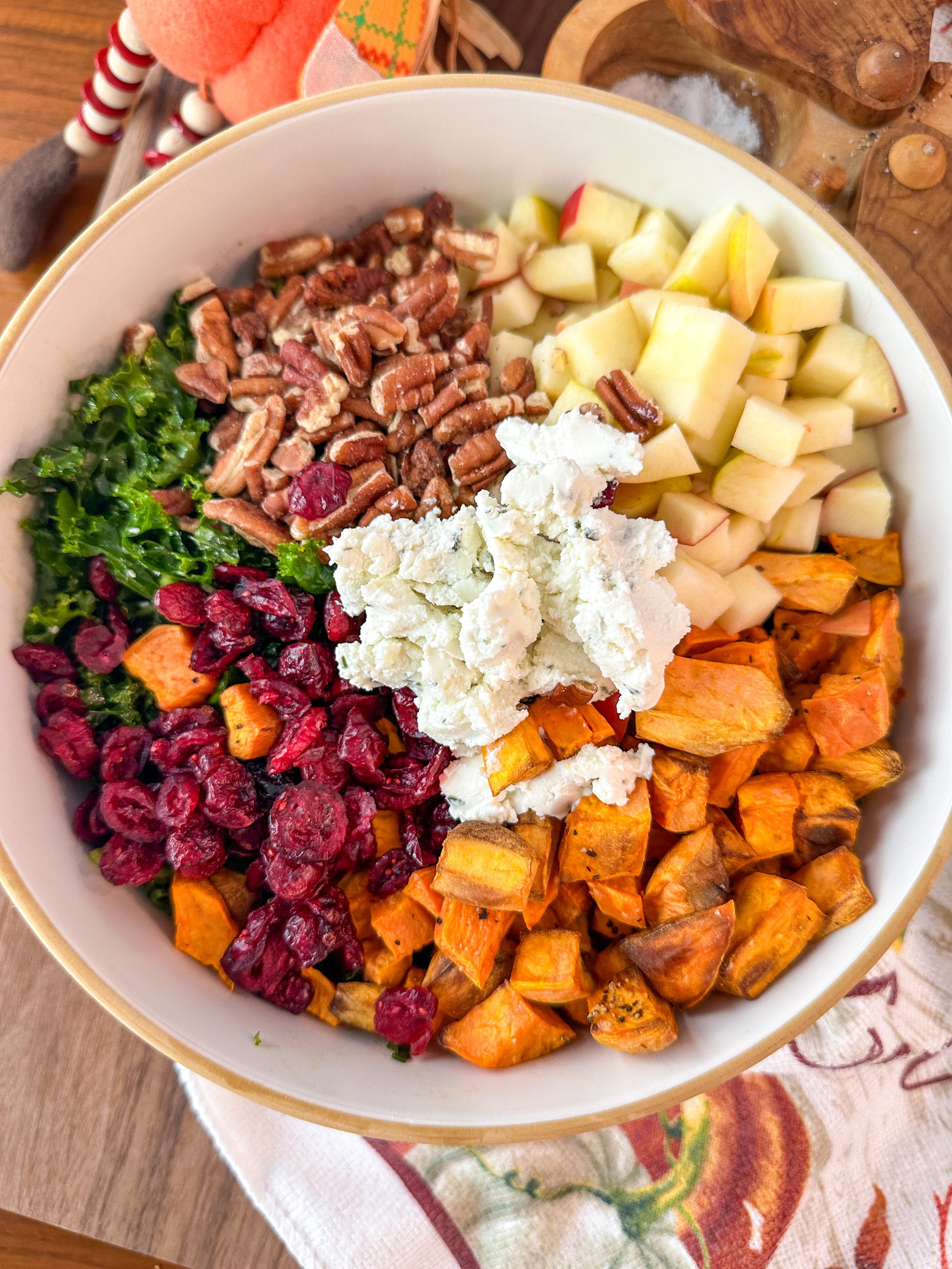




Craving a delicious and festive salad to serve at the Thanksgiving table this year? This Roasted Sweet Potato and Kale Fall Salad with Maple Vinaigrette is the perfect addition to your holiday menu.