
6 Best Organic Vitamins & Supplements for Kids in 2026
I have to tell you something my daughter’s dentist told me when Olive was two years old. I had been giving her gummy vitamins like a responsible mom, assuming I was doing the right thing. The dentist looked at her teeth, asked me what vitamins she was taking, and then said something that really stuck with me.
She explained that many gummy vitamins are loaded with sugar, tend to stick to teeth, and often do not deliver the level of nutrition parents think they do. She gently said they are usually not the best option.
I was embarrassed. And honestly, a little frustrated that something marketed as healthy could be so misleading. We switched that week.
If you are still in the gummy phase, I am not here to make you feel bad. I get it. I was there too. This is just me sharing what I have learned, what I use now, and how I think about kids vitamins after spending years researching ingredients and working in nutrition.
I am a nutritional therapy practitioner, and this is a big part of what I do. The kids vitamins category is one of the most crowded and honestly one of the most confusing spaces out there. So I am going to keep this simple and walk you through exactly what I give my daughter and why.
You might also like: FlavCity Protein & Electrolytes Review, Purely Inspired Collagen Peptides Review, Seed Probiotics Review: My Honest Thoughts After 12 Months.
Note: This post may contain affiliate links, meaning I get a commission if you decide to make a purchase through my links, at no cost to you.
Why I Moved Away From Gummy Vitamins
The dentist conversation was the turning point, but it was not the only reason. Most gummy vitamins rely on some form of sugar or syrup to make them taste appealing. Even when it is organic cane sugar or fruit-based, it is still sugar sitting on your child’s teeth. Over time, that can add up.
There is also a formulation issue. Gummies are harder to build into a complete multivitamin. Certain essential nutrients, especially minerals, are difficult to include in meaningful amounts in gummy form. That means many products end up being less comprehensive than they appear on the label.
That does not mean every gummy is bad. It just means there are often better options, especially if your child is open to chewable multivitamins or liquids.
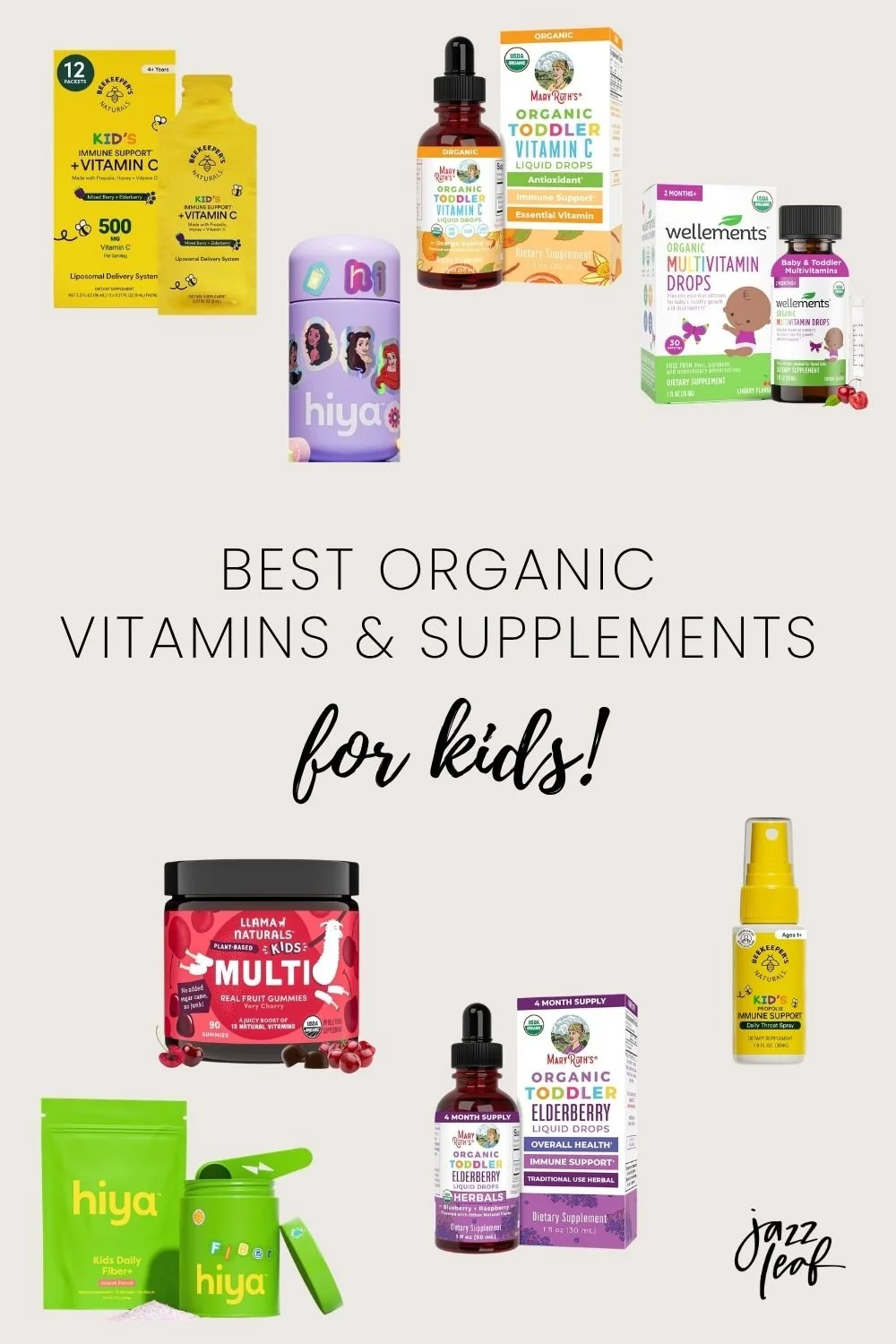
Best Organic Vitamins & Supplements for Kids
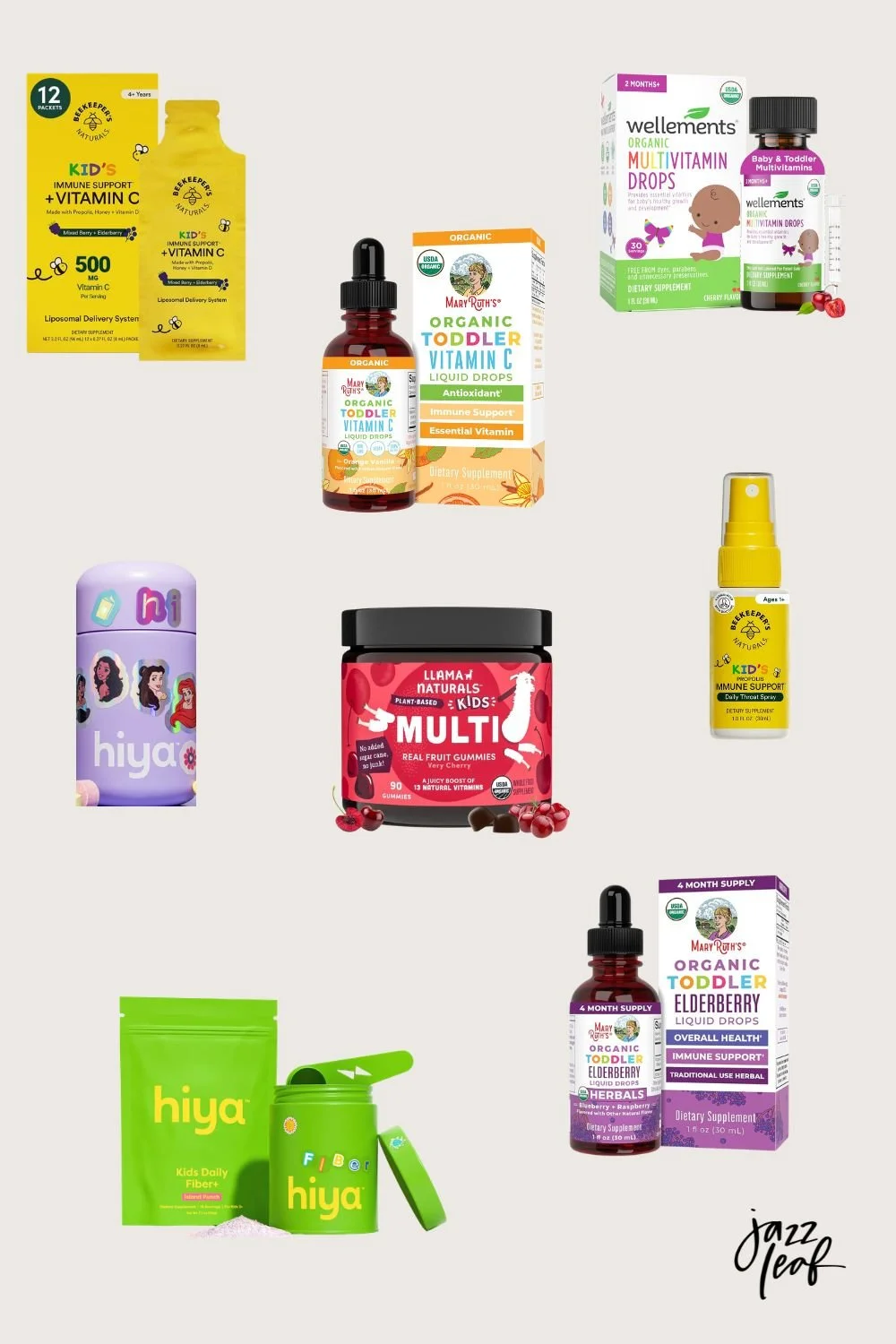
Hiya Kids Multivitamin
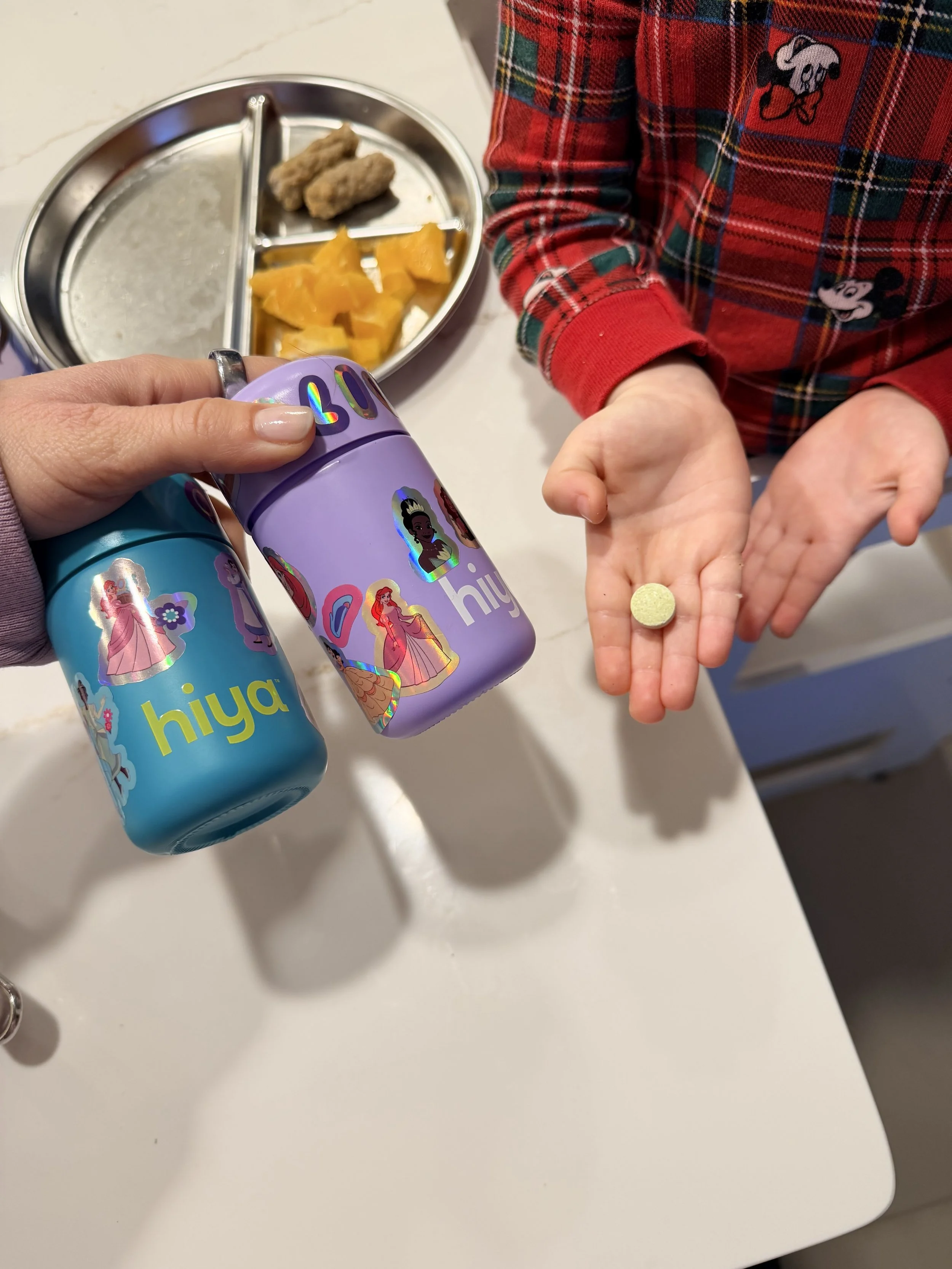
This is my top pick. The one I keep on subscription and have never seriously considered swapping. This is the one I give Olive consistently. It is a chewable multivitamin with no added sugar, designed specifically as an alternative to traditional gummy vitamins.
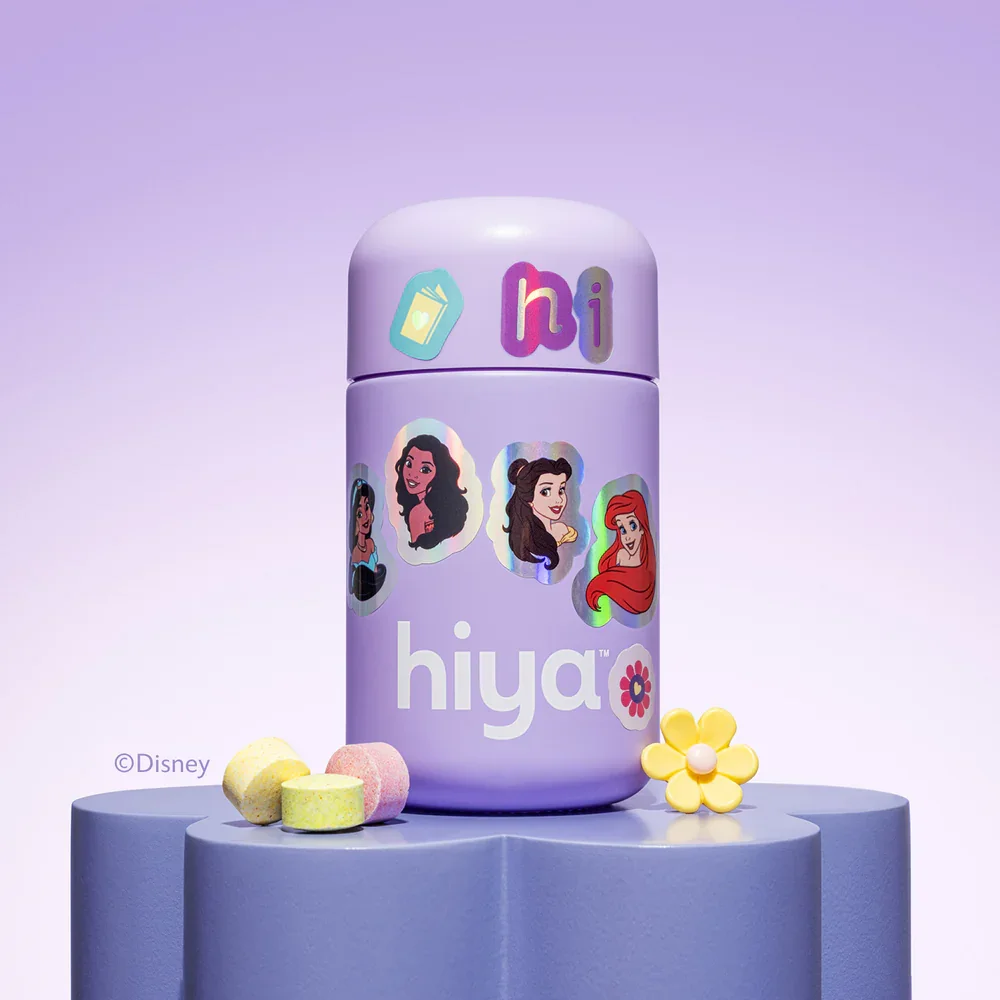
The story behind it matters. Hiya was created because the founders could not find a kids vitamin without gummy additives, added sugar, or artificial dyes. They built it from the ground up with a pediatric nutritionist, intentionally formulating a chewable with zero sugar and a naturally sweet profile from fruits and vegetables.
What stands out most is the formulation. It includes 15 essential vitamins and minerals plus a blend of 12 organic fruits and vegetables. That blend is not just marketing. It is there to support bioavailability and help fill small nutrient gaps that show up with picky eating phases, which is most phases in real life.
It also includes commonly under-consumed nutrients in kids like vitamin D3, B12, folate, zinc, iodine, and vitamin K2. The D3 dose is meaningful, which matters because deficiency is extremely common in kids who do not get regular sun exposure. The K2 is also notable because it helps direct calcium into bones rather than soft tissue, something many standard kids multis do not address.
This is where Hiya feels different. It is designed less around minimum daily requirements and more around optimal daily nutrition, which is not how most pediatric formulas are built.
A few key specs:
15 essential vitamins and minerals
0 grams of sugar
No artificial flavors, dyes, or preservatives
Non-GMO and free of common allergens
Naturally sweetened with monk fruit
Includes 12 organic fruits and vegetables
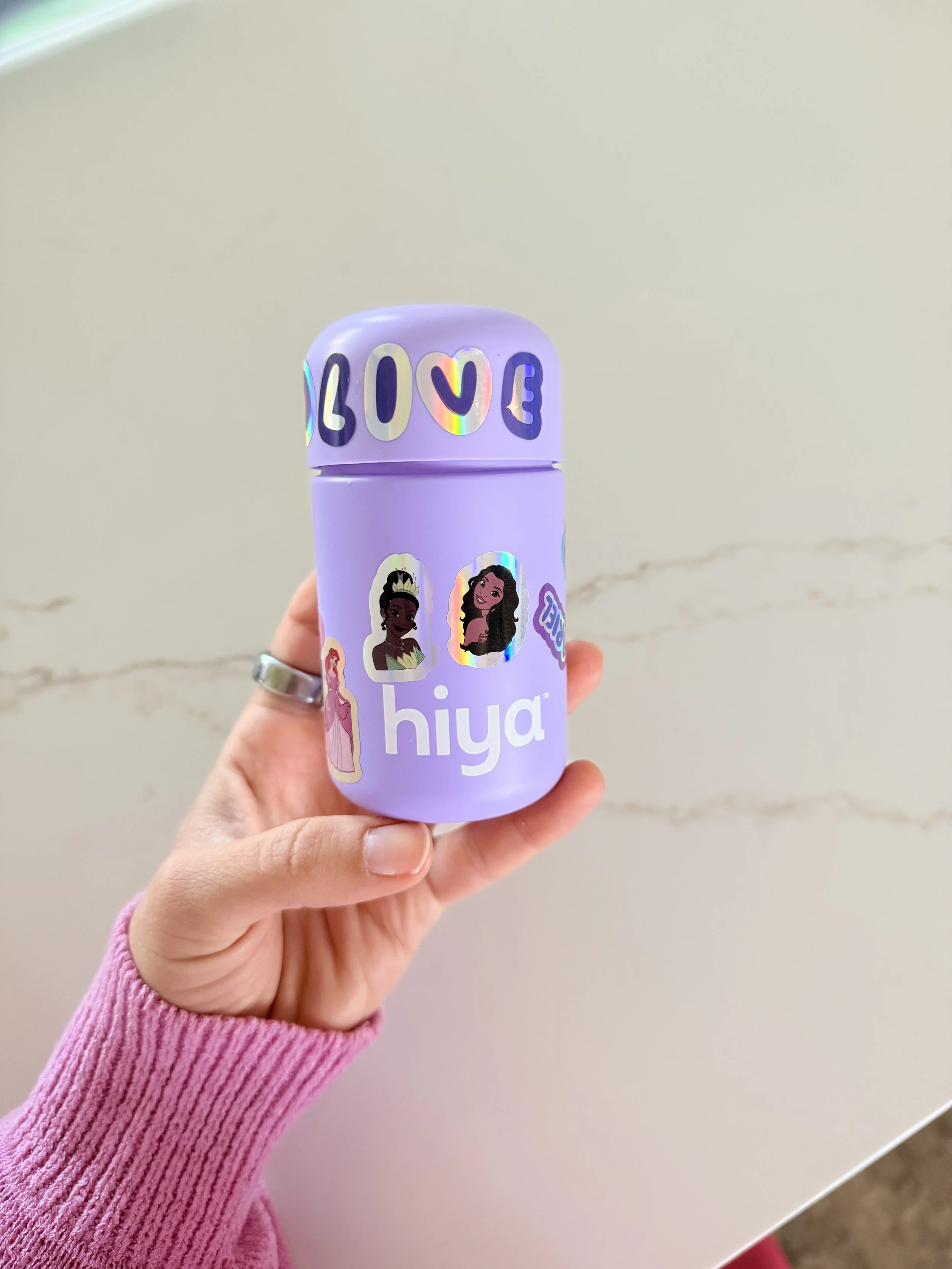
30-day supply in a refillable glass bottle with sticker pack
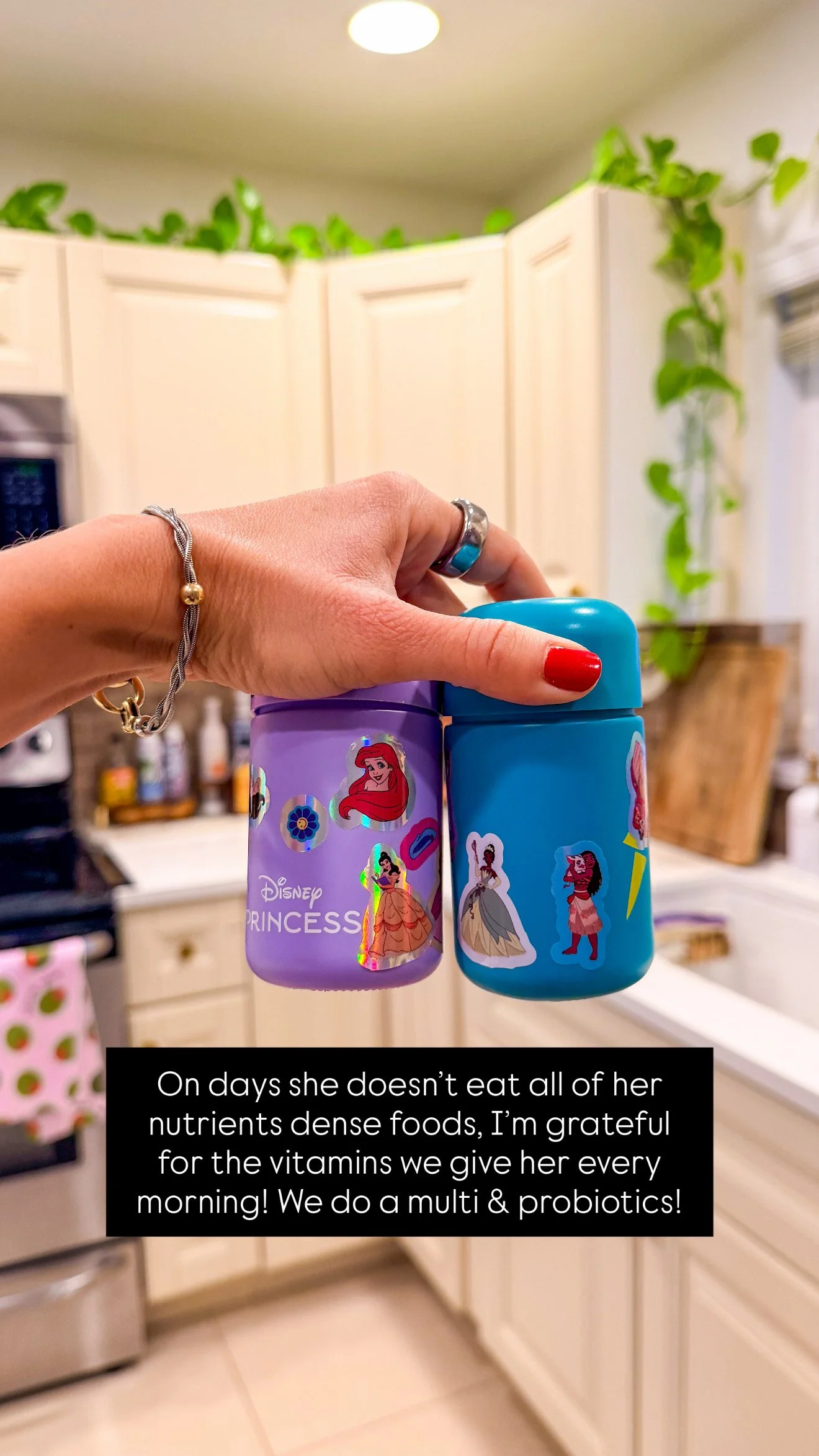
Olive genuinely loves these. She calls them her “morning candy” and reminds me if I forget, which says a lot in the world of kids supplements.
The routine itself is simple and actually fun. The glass bottle comes on the first order, then refills just pour in monthly. It reduces plastic waste and turns into a small ritual. The sticker pack also makes it feel more like a personal project than a supplement routine.
They also have themed bottles, including Disney princess designs, The Lion King, Barbie and Hot Wheels - which helps with buy-in without relying on sugar or gimmicks.
The link below gets you 50% off your first order, which is one of the better intro offers I have seen. I also use subscribe and save so I do not have to think about running out.
Also from Hiya: Kids Daily Probiotic
I give Olive both the multivitamin and the probiotic, and I want to be specific about why.
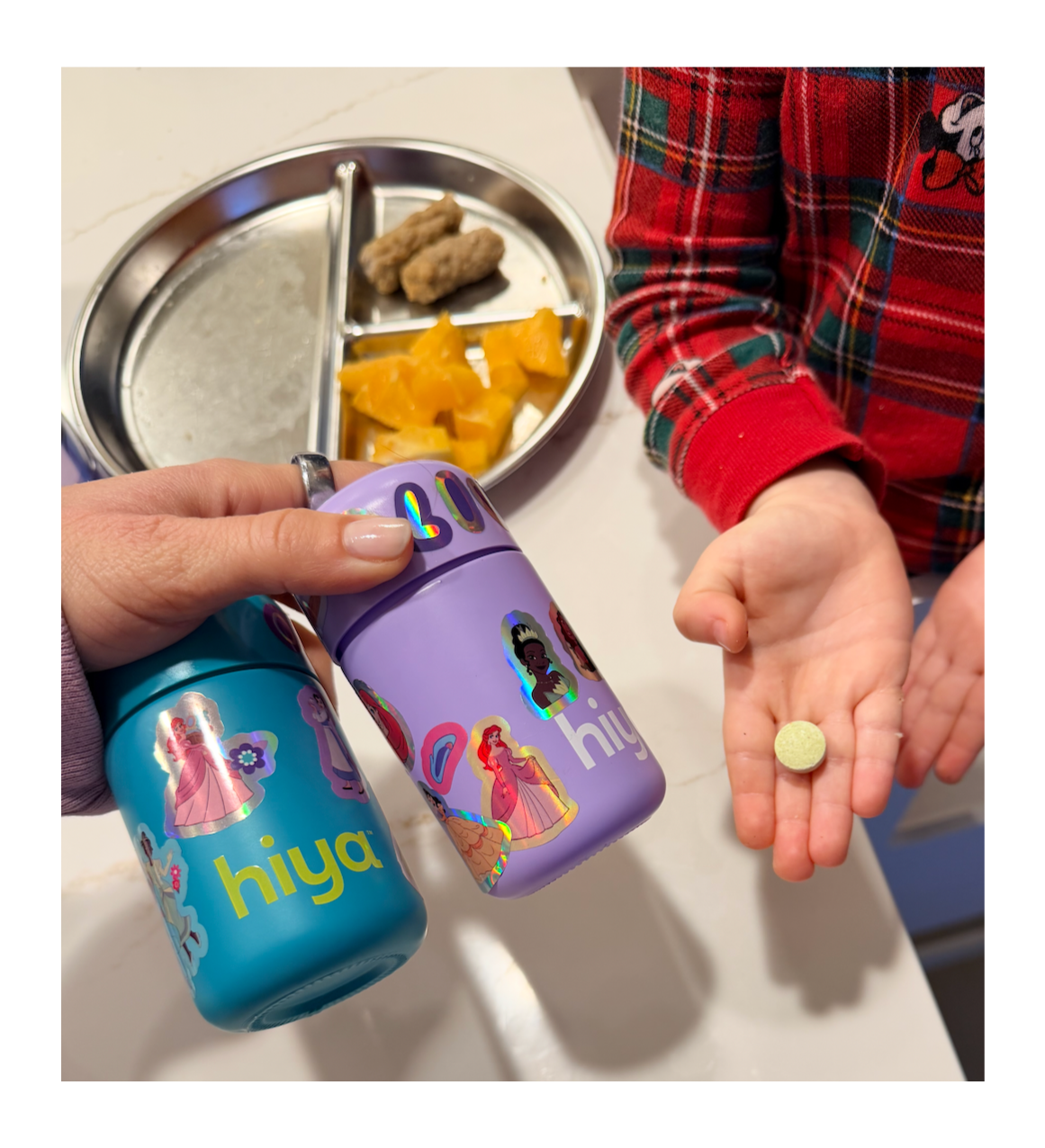
I pair the multivitamin with this probiotic periodically. It is a chewable with 10 billion live cultures per serving, using strains that are researched for childhood gut health, immunity, and nutrient absorption. That matters because not all probiotics are equal. You can easily end up with products that have the wrong strains or ineffective dosing, which means you do not really get the intended benefit.
Gut health in early childhood is closely tied to immune function. Roughly 70 to 80% of the immune system lives in the gut, which is why digestion and immunity are so interconnected. When a child is frequently sick, dealing with inconsistent digestion, or has recently been on antibiotics, that is often when a probiotic actually becomes meaningful support rather than just a wellness add-on.
This is why I do not use it year-round. I rotate it in for about a month at a time, a few times a year. Usually after illness, after antibiotics, or during periods where I want to reset and support digestion and immune resilience.
In simple terms, I think of it as a short-term reinforcement tool for the gut ecosystem, not a permanent daily staple.
Mary Ruth Vitamin C
My targeted immune support pick for when we want an extra layer. A daily multivitamin covers baseline nutrition, but there are seasons, especially fall and winter, when I like to add vitamin C specifically. This is the one I reach for.
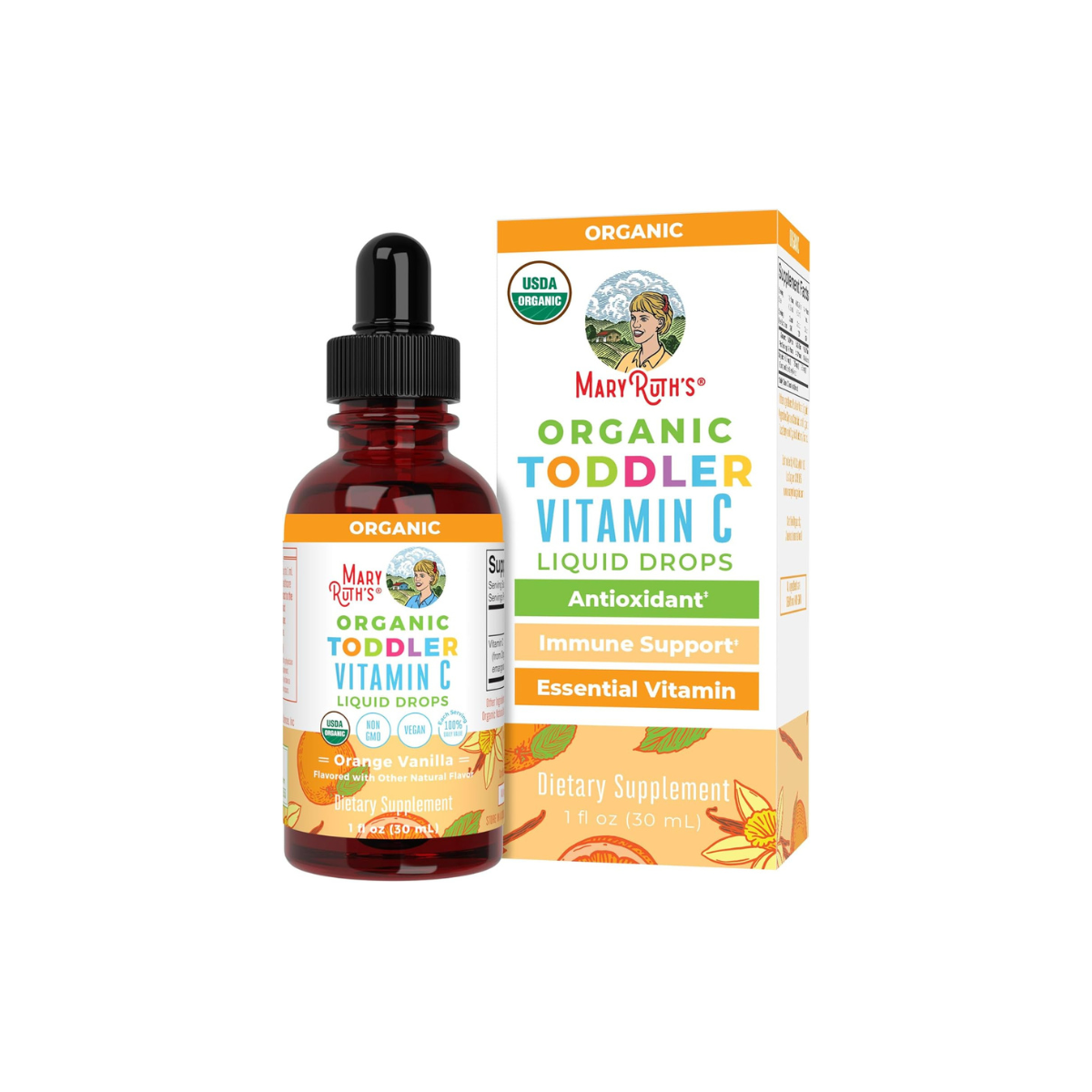
This is a clean, liquid vitamin C that is easy to mix into a drink. Mary Ruth is known for a strong clean-label approach, and this formula follows that standard. It is vegan, gluten-free, and free of synthetic binders and fillers commonly found in kids supplements. The vitamin C itself is ascorbic acid in a dose appropriate for toddlers and young children.
Vitamin C is widely known for immune support, but its role goes beyond that. It is essential for collagen synthesis, which supports connective tissue development, wound healing, and bone health. It also supports iron absorption, which is why pediatric nutritionists often pair vitamin C with iron-rich foods in kids who are low in iron.
It is also water-soluble, meaning the body does not store excess amounts and simply excretes what it does not use. That makes it suitable for short-term or seasonal daily use.
What I like:
Clean ingredient list with no synthetic additives
Liquid format with no gummy sugars
Vegan and gluten-free
Age-appropriate dosing for kids, not an adult formula scaled down
Easy to add into a drink or juice
One thing to keep in mind is that this is not a complete multivitamin. It works best alongside a foundational multi rather than on its own.
In practice, I use this seasonally, not year-round, and mostly as a simple way to layer in targeted support when exposure risk is higher or I want to be more intentional about immune support.
Mary Ruth Organic Elderberry
My go-to for immune support, especially during sick season. Elderberry has been used traditionally for immune support for a long time, but in recent years the research has become more structured.
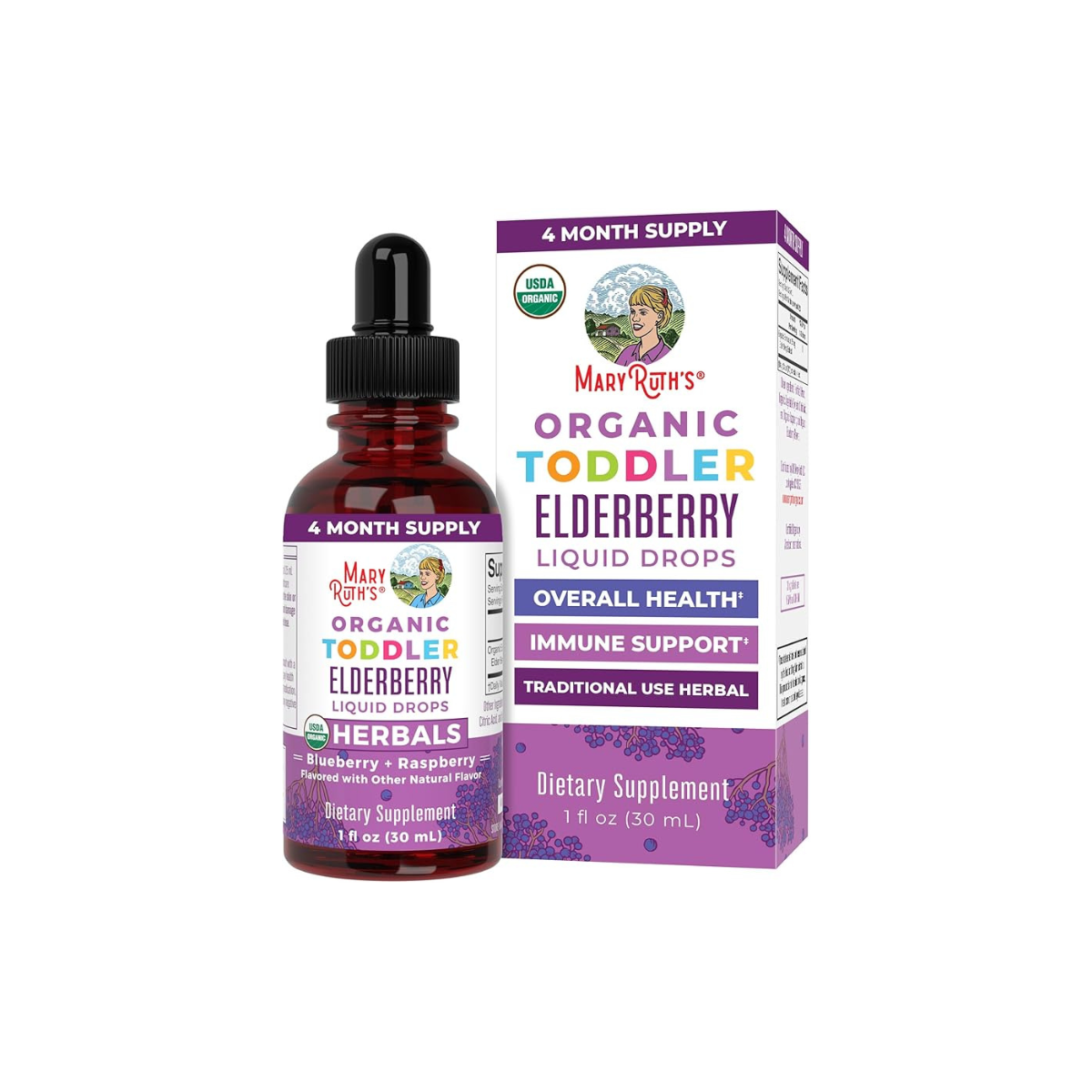
The active compounds in elderberry, primarily anthocyanins, have shown antiviral properties in clinical studies and may help reduce the duration and severity of upper respiratory infections. This is not just a wellness trend without substance behind it.
I reach for this occasionally, not daily. Usually when Olive has been around sick kids, during peak cold and flu months, or any time exposure risk is higher and I want an extra layer of immune support alongside her baseline routine.
Mary Ruth’s version is a liquid formula, which matters for younger kids who cannot yet take tablets. The ingredient list is clean and straightforward. It is USDA Organic, with no high fructose corn syrup, artificial flavors, or dyes. The liquid format also makes dosing flexible, which is helpful as kids grow and needs shift over time.
Why I like this one:
Clinically studied elderberry compounds for upper respiratory support
Liquid format suitable for a wide age range, including toddlers
USDA Organic with no artificial additives
Flexible dosing based on age and need
Easy to mix into a small amount of juice or water if taste is strong
Pairs well with propolis spray for added sick-season support
This is not a daily multivitamin and it is not meant to replace one. I think of it as targeted, seasonal support that sits on top of a solid baseline routine.
Beekeeper’s Naturals Propolis Throat Spray & Packets
Propolis is a resin-like substance bees produce to seal and protect their hives. It has been studied for antimicrobial and anti-inflammatory properties, and some research suggests it may support upper respiratory health.
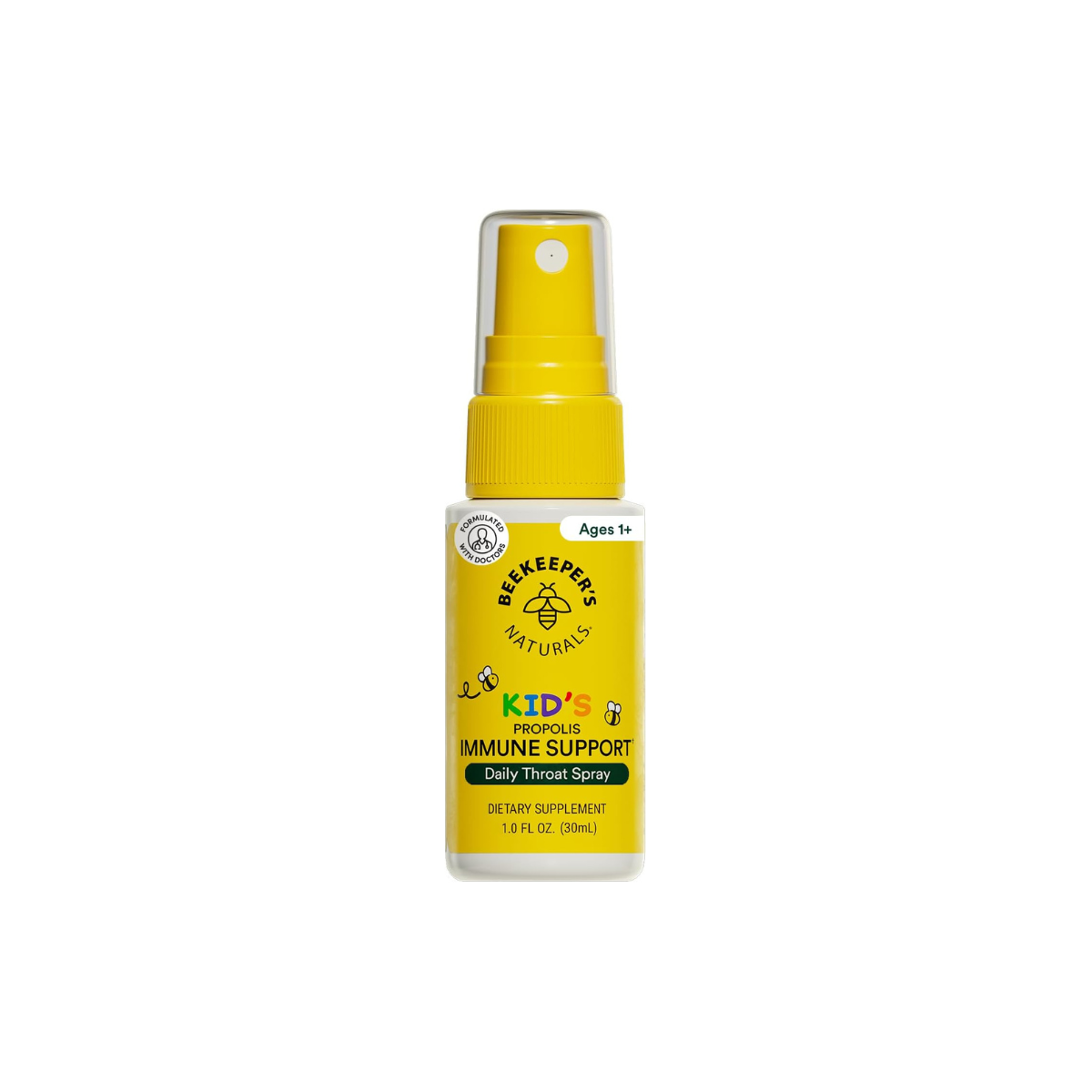
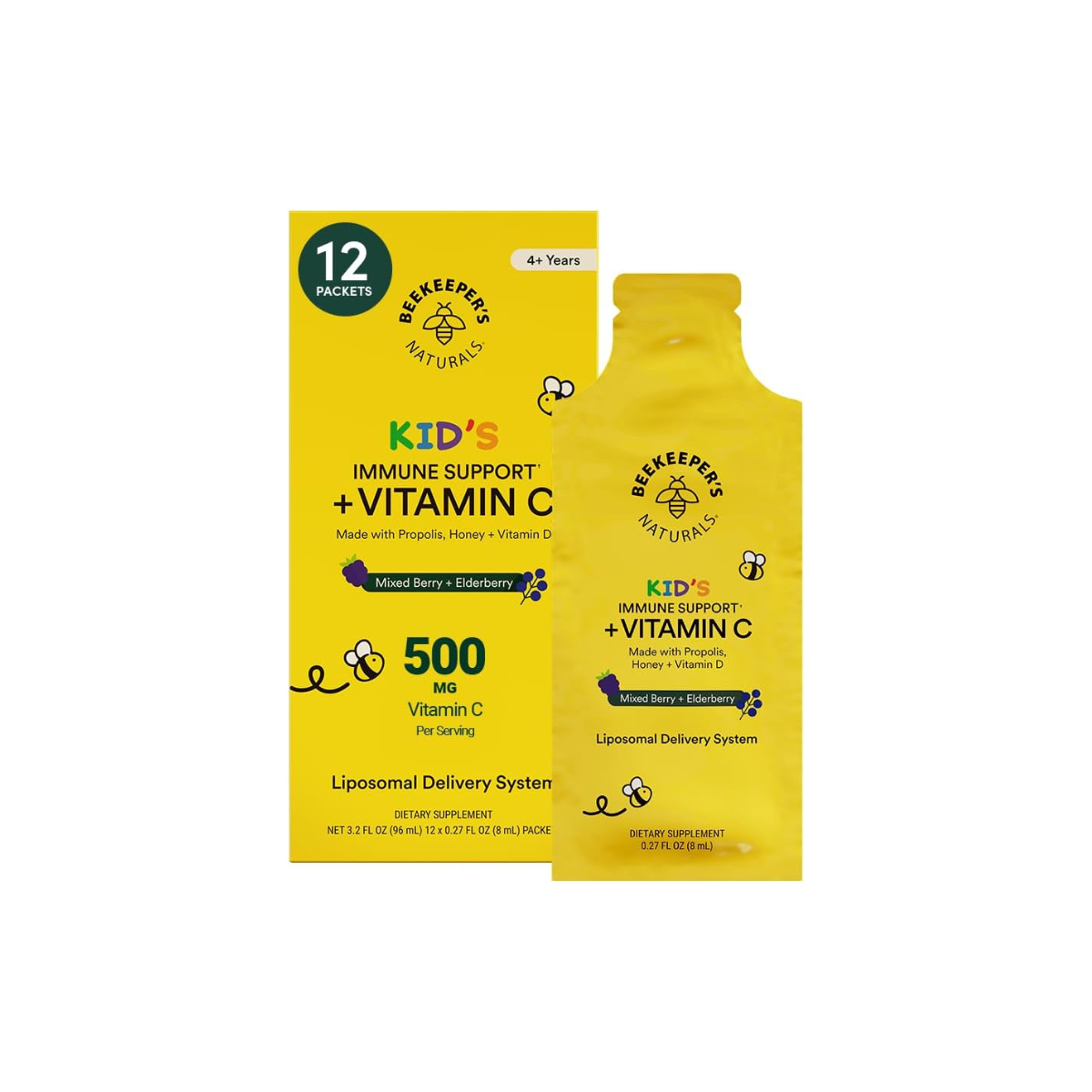
What makes this one stand out is that it is one of the few natural immune ingredients with meaningful clinical research behind it, not just traditional use. Propolis contains bioactive compounds like flavonoids and phenolic acids, which have demonstrated antimicrobial activity in lab studies. More importantly for parents, research has shown propolis extract may help reduce the frequency and duration of upper respiratory infections in children when used consistently.
This is one of the few supplements I use more regularly, especially during travel, school season, or higher exposure periods.The throat spray is what we use most. It is quick, simple, and Olive does not mind it, which honestly says everything. I use it in the morning or before travel days when exposure risk is higher.
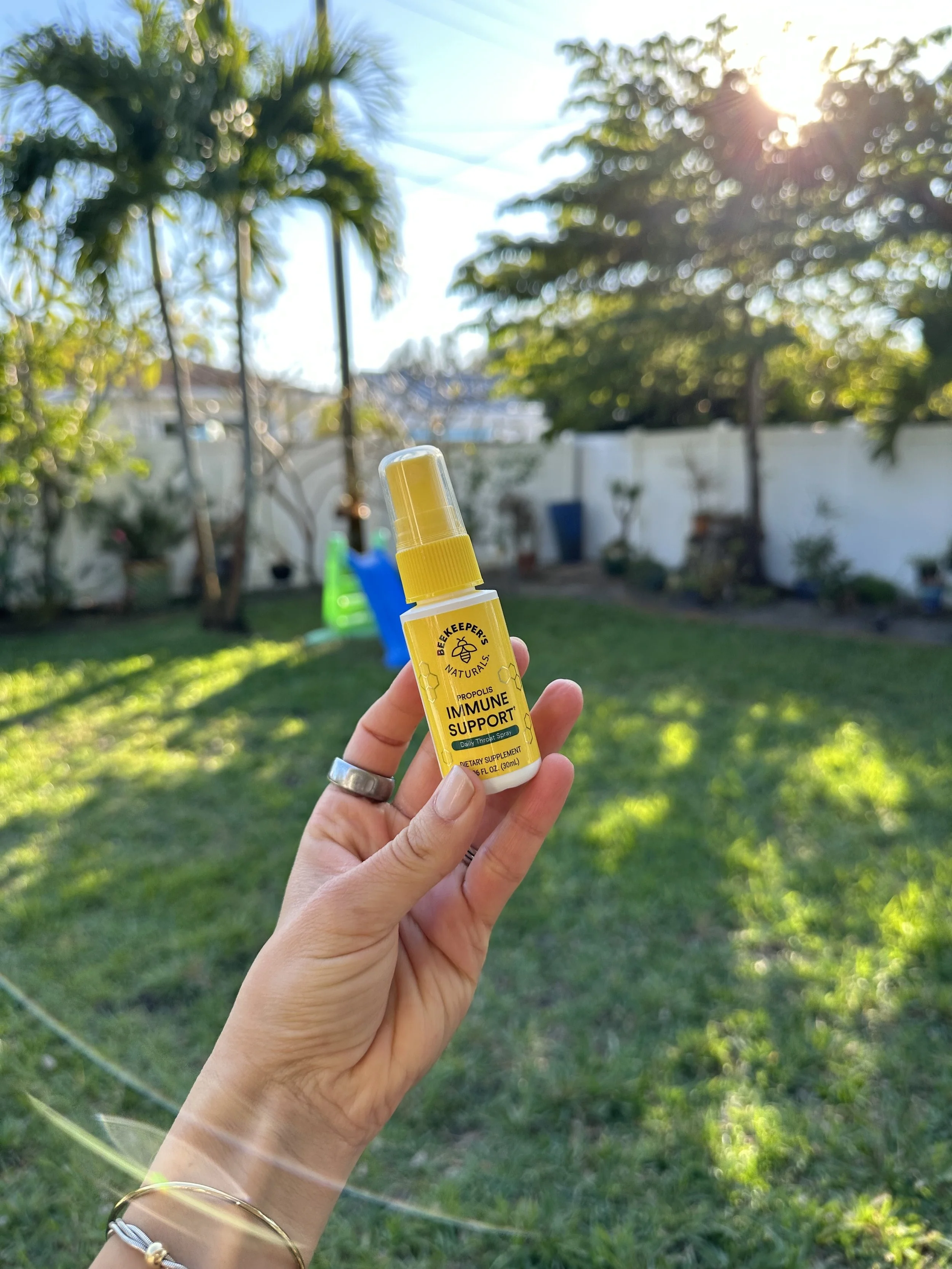
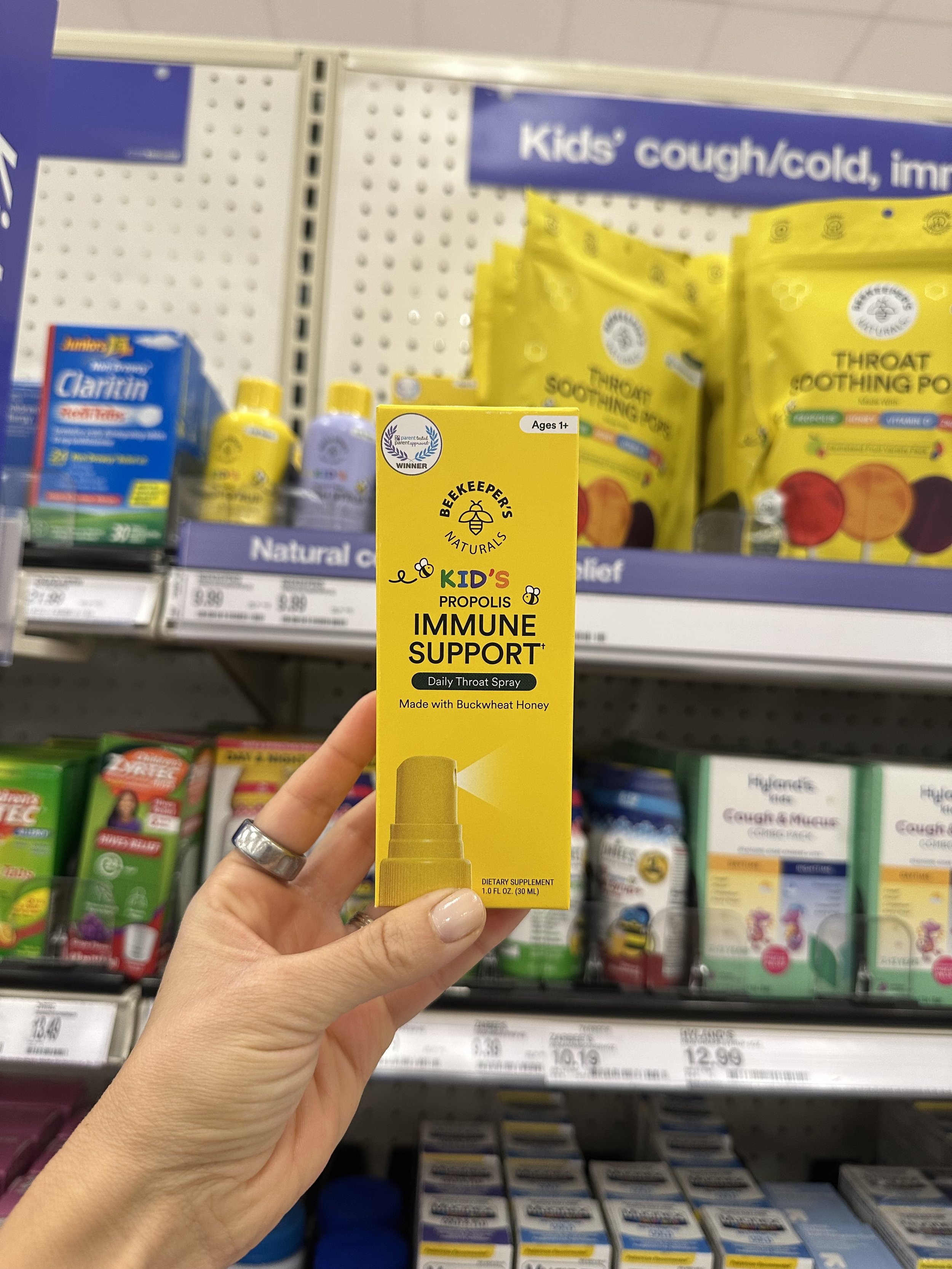
The propolis packets are another option I keep on hand. They are easy to use if you want to mix it into a smoothie or drink instead. Olive will also take them directly, which makes them surprisingly convenient for on-the-go days.
Beekeeper’s Naturals is a B Corp, non-GMO verified, and independently tested, which gives me confidence in sourcing and manufacturing standards. It feels like a brand that is paying attention at every step rather than just producing a supplement line.
I would not rely on this as a primary treatment or standalone solution for illness. I think of it as part of a broader immune routine that supports resilience, especially during high exposure seasons.
Llama Naturals
The one exception to my no-gummies stance, for good reason. I still prefer chewable multivitamins, but I also know not every child is ready for that. Sometimes it is a developmental stage, sometimes it is sensory preference, and sometimes it is just the reality of what a kid will actually take consistently.
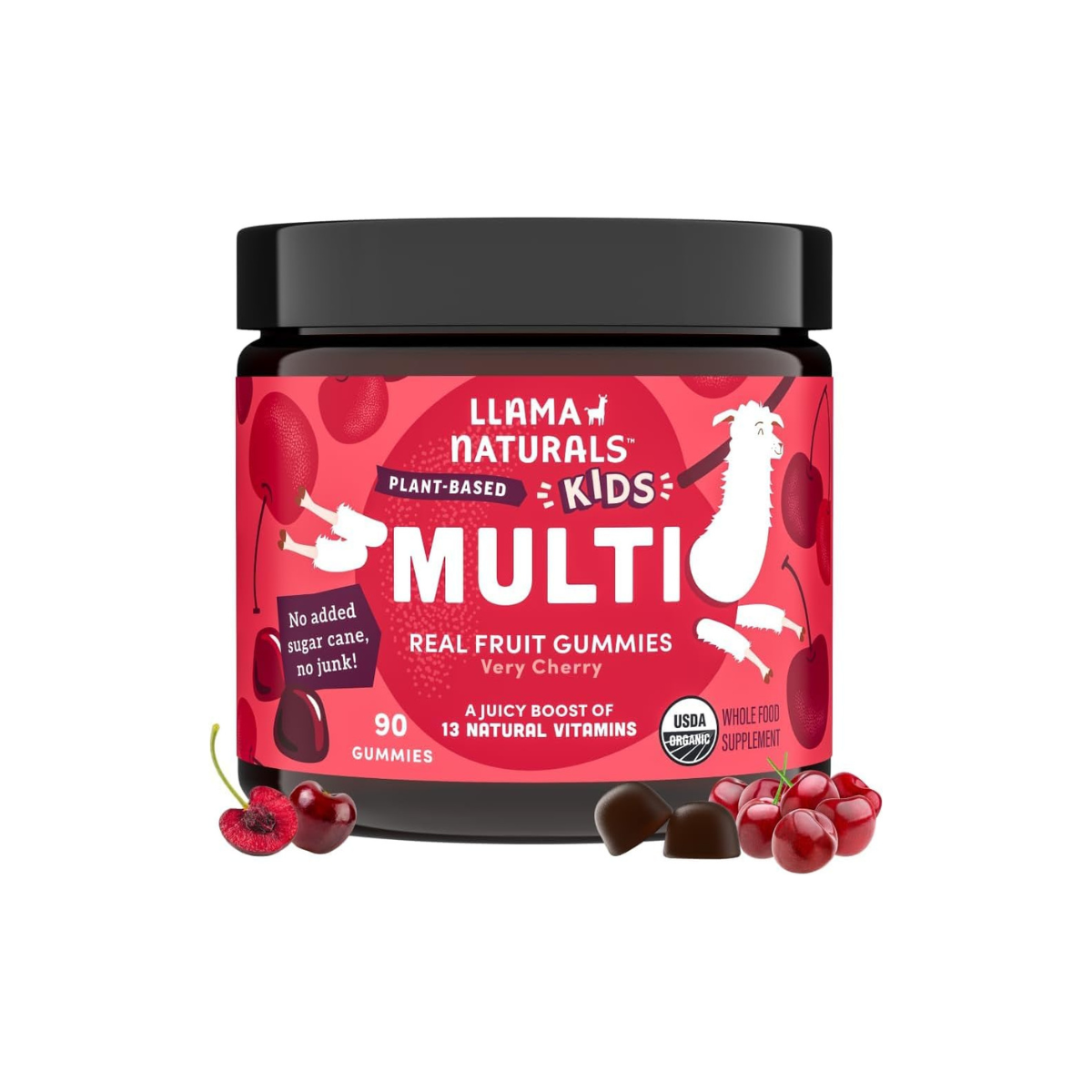
If gummies are the only format your child will take right now, this is the one I would choose. What makes them different is the ingredient philosophy. There is no added cane sugar or syrups. The sweetness comes from whole fruit instead of processed sweeteners like juice concentrates or corn syrup. The formula is USDA Organic and vegan, with no gelatin. They also use third-party testing for potency, purity, and contaminants like heavy metals, which is not standard in most gummy vitamins.
That testing piece matters more than it gets credit for in this category, because gummies are one of the easiest supplement formats to cut corners on.
Key points:
No added cane sugar or syrups, sweetened with whole fruit
USDA Organic and vegan, no gelatin
Third-party tested for heavy metals and purity
Research-backed nutrient formulation rather than generic gummy dosing
Stronger quality standards than most gummy competitors
It is still a gummy, so it comes with the same structural limitations as most products in that category. But compared to typical options, it is one of the cleanest and most thoughtfully formulated versions available.
If your child will do chewables, I still default to Hiya. If chewables are not working yet, this is the alternative I feel comfortable with.
Wellements
For younger age groups, chewables and gummies are not always appropriate. Wellements fills a specific gap that the other products on this list do not cover well, which is the infant and very young toddler stage where chewables are not developmentally appropriate and gummies are not suitable yet.
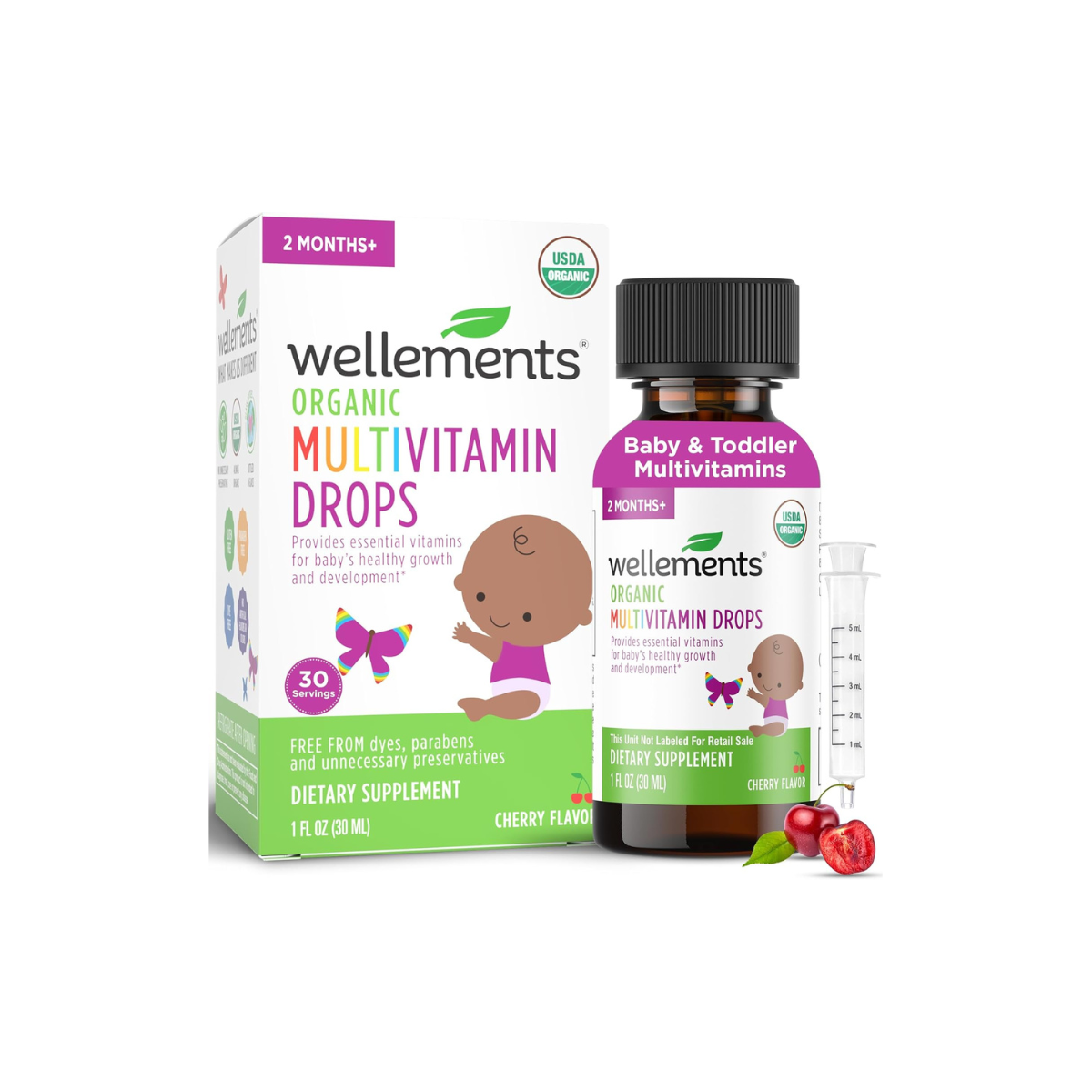
Their line is USDA Organic, non-GMO, and free of added sugar, artificial flavors, and preservatives. The liquid drop format makes it easy to add to a bottle, sippy cup, or give directly by spoon. It is especially useful for things like vitamin D support in formula-fed babies or for younger toddlers who need a simple, clean supplement format without any chewing required.
What I like:
USDA Organic
No artificial ingredients
Simple liquid drop delivery format
Easy to mix into bottle, cup, or spoon
As kids grow and are able to handle a chewable, I typically transition them to Hiya for a more complete multivitamin approach. But Wellements is a clean, trustworthy starting point for the earliest stage of supplementation.
What Our Daily Routine Actually Looks Like
I keep this simple. Every morning, Olive takes one chewable multivitamin with breakfast. That is our baseline. During certain times of year, like cold season or travel, I will add propolis spray. If her diet has been more limited than usual, I might include elderberry or vitamin C for a short period. The probiotic comes in periodically, not daily. The entire routine takes less than a minute. That consistency matters more than anything.
What I Look for in Kids Vitamins
This category is full of products that look clean on the front label but tell a very different story once you flip it over. These are the filters I use to quickly separate good from not worth it.
My non-negotiables
No added sugar or syrups
If sugar, corn syrup, or fruit juice concentrate is in the ingredients list, I pass. Monk fruit or whole fruit sweetening is fine. Cane sugar is not.Third-party testing
Independent lab testing confirms the product actually contains what the label says and is free from heavy metals or contaminants. It is not required for supplements, so brands that do this are signaling higher standards.Age-appropriate dosing
The formula should be designed for your child’s actual age group, not adapted from adult products. Nutrient form and dose matter, including things like vitamin D3 versus D2 or methylfolate versus folic acid.Minimal artificial ingredients or fillers
No artificial colors, flavors, binders, or unnecessary additives that do not contribute to nutrition.Clean allergen profile
I look for options free from common allergens like gluten, dairy, soy, and other sensitivities when possible.
The bigger picture
A clean ingredient list and thoughtful formulation go a long way. It is usually not about one “magic” nutrient, but about how responsibly the entire formula is built and whether it actually makes sense for kids’ biology and daily needs.
FAQs
-
It really depends on their diet and lifestyle. Some kids who eat a wide variety of whole foods across all food groups may be getting enough essential nutrients from food alone. But in reality, a lot of kids are picky eaters or go through phases where their diet becomes very limited.
In those cases, certain nutrients like vitamin D, zinc, vitamin B, and vitamin K can be harder to get consistently. A high-quality multivitamin can help fill those gaps and support things like normal growth, brain development, and immune function. It is not a replacement for a healthy diet, but it can be a helpful layer of support.
-
Not necessarily, but they are not always the best option. The main concerns are sugar content and formulation limitations. Many gummy vitamins use sugar, syrups, or fruit concentrates to make them taste appealing, which can stick to teeth and contribute to cavities over time.
There is also the issue of nutrient density. Gummies often cannot include certain minerals or higher doses of nutrients because of how they are made. That means they can be less complete than chewable or liquid options.
That said, if a gummy is the only format your child will consistently take, it is still better than nothing. Choosing a cleaner option made with real fruit and without added sugars is a good middle ground while you work toward transitioning to a chewable if possible.
-
Yes, within reason. A multivitamin paired with a probiotic is a very common and generally well-tolerated combination. Adding targeted supplements like vitamin C or elderberry during certain seasons can also make sense for additional immune support.
The main thing to be mindful of is overlapping nutrients, especially fat-soluble vitamins like A, D, E, and K. These are stored in the body, so you do not want to accidentally double up across multiple products without realizing it.
A good rule of thumb is to read labels carefully and keep your routine simple. If you are ever unsure, checking with a healthcare provider can give you peace of mind.
-
If I had to choose one, vitamin D is usually at the top of the list. It is one of the most common deficiencies in children, especially for those who do not get regular sun exposure.
Vitamin D plays an important role in healthy bones, immune function, and even mood regulation. It also helps the body absorb calcium, which is critical during growth years.
While some foods contain vitamin D, it is difficult to get enough through diet alone. That is why many healthcare providers recommend a vitamin D supplement as part of a child’s daily routine, regardless of how well they eat.
-
Most kids vitamins are designed for ages two and up, especially chewable multivitamins. Before that, a liquid multivitamin is usually the safer choice since it removes any choking risk.
For infants and younger toddlers, supplements like liquid vitamin D are often recommended depending on feeding method and overall intake. Always check the label for the specific age range and talk to your healthcare provider if you are unsure.
-
This is where things can get confusing quickly. A few things I always look for are:
No added sugar, corn syrup, or artificial sweeteners
Clearly listed amounts of each nutrient
Forms of vitamins that are easier for the body to use, like vitamin D3 instead of D2
Third-party testing for quality and purity
I also look for high quality ingredients and avoid unnecessary fillers or artificial flavors. The goal is to support real nutrition, not just check a box.
-
They can help fill nutritional gaps, but they do not fix picky eating on their own. A multivitamin can support your child’s overall nutrition while you continue working on improving their child’s diet.
Think of vitamins as a safety net. They help make sure your child is getting enough vitamins while you build more balanced, long-term healthy habits.
-
In most cases, yes. Taking vitamins with food can help with absorption and reduce the chance of stomach discomfort.
Fat-soluble vitamins like vitamin A, vitamin E, and vitamin D are better absorbed when eaten with a meal that contains some healthy fat. That is one reason I like giving Olive her daily vitamins with breakfast.
-
Organic vitamins can be a good choice, especially if you are trying to avoid pesticides, artificial ingredients, and unnecessary additives. Many organic multivitamins focus on cleaner sourcing and simpler ingredient lists. That said, organic alone does not guarantee quality. I still look for brands that use the very best ingredients and prioritize testing and transparency.
That dentist visit honestly changed how I think about kids vitamins. I thought I was doing the right thing with gummy vitamins, and finding out I’d been missing the mark for months was my turning point. From there, I just got more intentional, and over time it turned into a really simple routine built around clean ingredients, solid research, and things I actually trust and my daughter actually takes without a fight.
Now it’s pretty straightforward. Hiya is our daily base, the probiotic is something I rotate in regularly, propolis comes out more during school and travel seasons, and everything else is just there when we need it.
It really does not have to be complicated. A good multivitamin, a couple targeted supports, and consistency go a long way. If you are just starting out, I would begin with a clean chewable multivitamin and build from there.
The links in this post include affiliate discounts, including 50% off Hiya for first-time orders, which is the easiest place to start if you are new to this. And if you have questions, just drop them in the comments!
Disclaimer: This post is for educational purposes only and reflects my personal experience. It is not medical advice. Always consult your child’s healthcare provider before introducing new supplements, especially if your child has medical conditions or specific nutritional needs.







Customizable recipes built off of pantry staples – and everything only takes 30 minutes or less!