
Best Non-Toxic Cookware Guide 2026
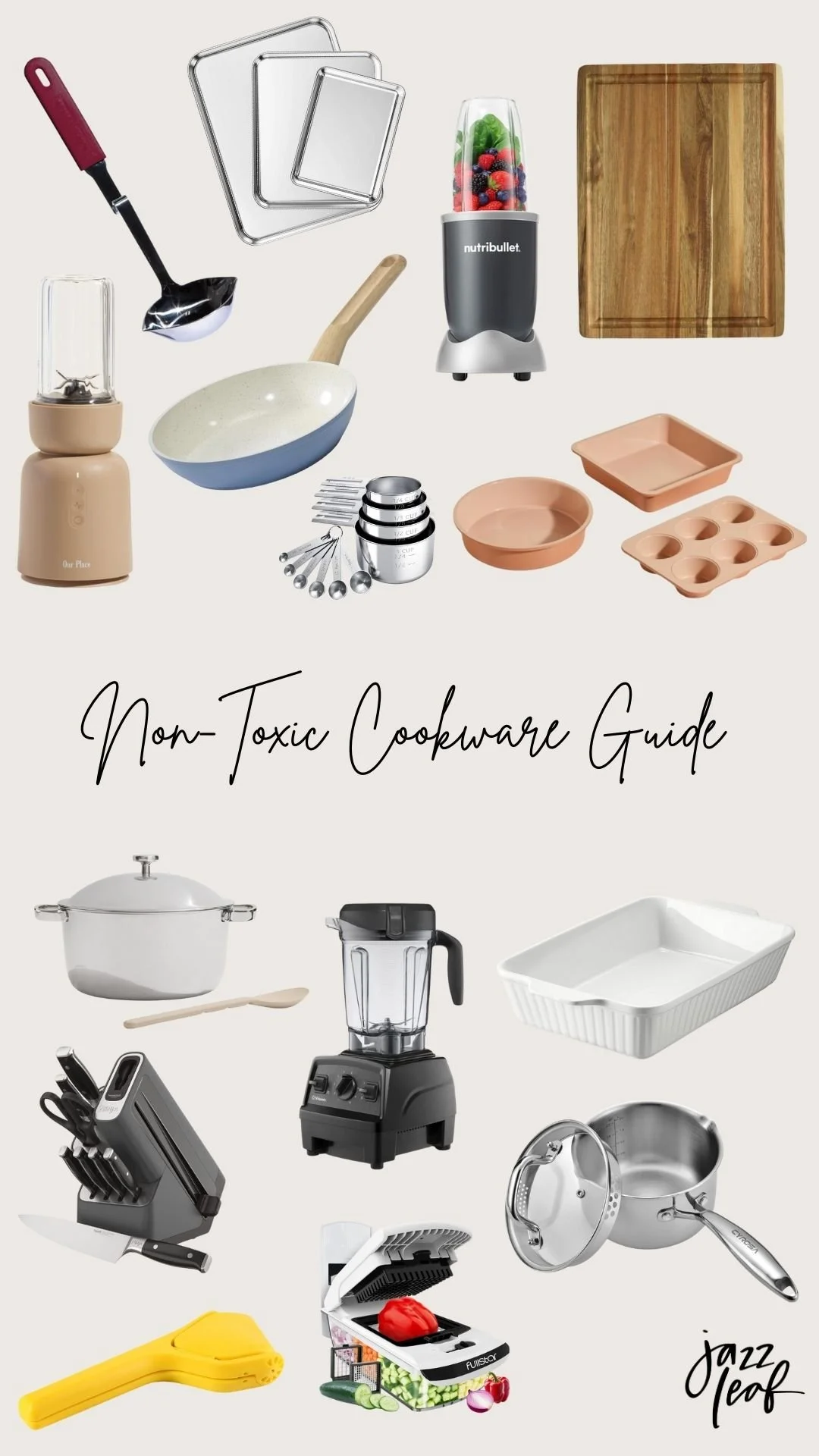
Why I Created This Non-Toxic Cookware Guide
The word non-toxic is being used now more often, and it’s important to remember that what you are doing is just enough. I always say that the switch to a completely non-toxic life can be overwhelming. So I created a guide for you. It’s something to get you started when you don’t know where to start.
When I first began learning about non-toxic cookware, I felt completely lost. There were so many opinions, conflicting studies, popular brands making big claims, and an overwhelming pressure to replace everything at once. If you’re here because you want safer cookware but don’t want to spiral into anxiety, you’re in the right place.
Typically, when we refer to “toxic,” the main concern is PFAS, often referred to as forever chemicals. These chemicals break down really slowly and can accumulate in the human body over time. That accumulation is what raises health concerns, not a single meal or one pan, but repeated exposure over years of use.
Teflon is a brand most people know. It has a non-stick coating, and if overheated above 500°F or 260°C, or scratched, it can release toxic fumes. These fumes can cause flu-like symptoms in humans and can be fatal to small pets like birds. Crazy, right?
The best way to get started with non-toxic cookware is to make the switch slowly. Don’t overhaul your kitchen overnight. If you notice scratches on your pots and pans, start there. Replace the most damaged items first and move forward at your own pace.
You’ll notice stainless steel cookware mentioned often below because it’s durable, sustainable, and non-toxic. I’ve also included ceramic-coated pans, which offer non-stick properties without PTFE or PFOA and are free from heavy metals when manufactured responsibly.
One of the best ways to keep cookware in good condition is to heat on low heat with no oil, wait until the pan is hot, then add oil, wait until the oil is hot, and then cook. I also hand wash everything listed in this guide. It truly helps with longevity.
This guide isn’t about perfection. It’s about making better choices that fit into your everyday life.
You might also like: Best Wellness and Kitchen Gift Ideas, Air Fryers Under $50 + A Beginner's Guide to Air Frying, Our Place 6-in-1 Wonder Oven Review, Everything to Know About Air Fryers, and Vitamix 5200 vs Vitamix 750: Which is Better?
Note: This post may contain affiliate links, meaning I get a commission if you decide to make a purchase through my links, at no cost to you.
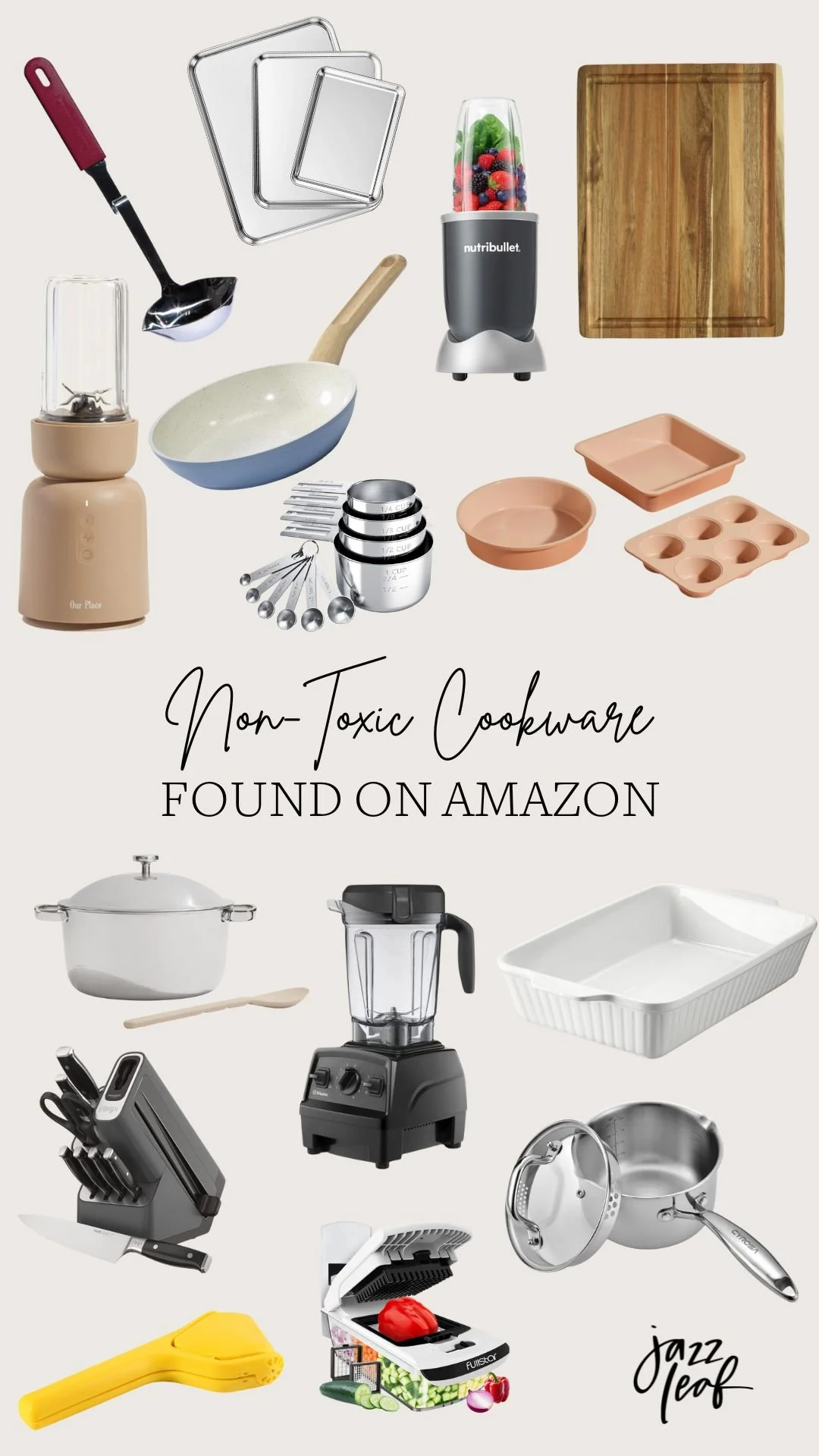
My Favorite Non-Toxic Cookware
If you want to get straight to the point, this section is for you. These are my favorite non-toxic cookware products, items I genuinely think are great options for beginners and home cooks alike. You don’t need all of these. Pick what fits your cooking habits and skill level.
Stainless Steel & Ceramic-Coated Cookware
Stainless Steel Cookware Set
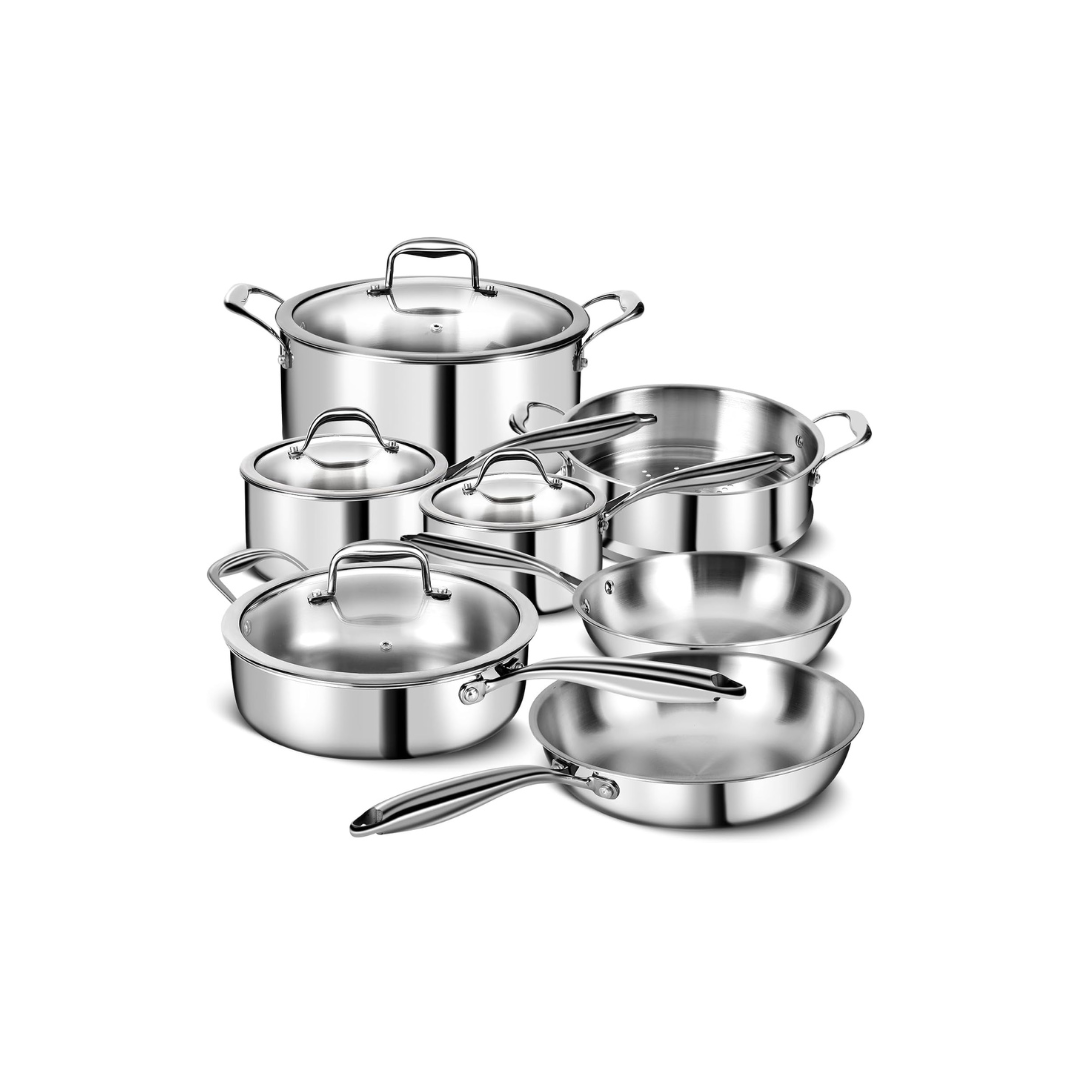
A high-quality stainless steel cookware set is one of the best investments you can make.
Stainless steel cookware is non-toxic, incredibly durable, and ideal for high-heat cooking. It doesn’t break down over time, and with proper care, it can last decades.
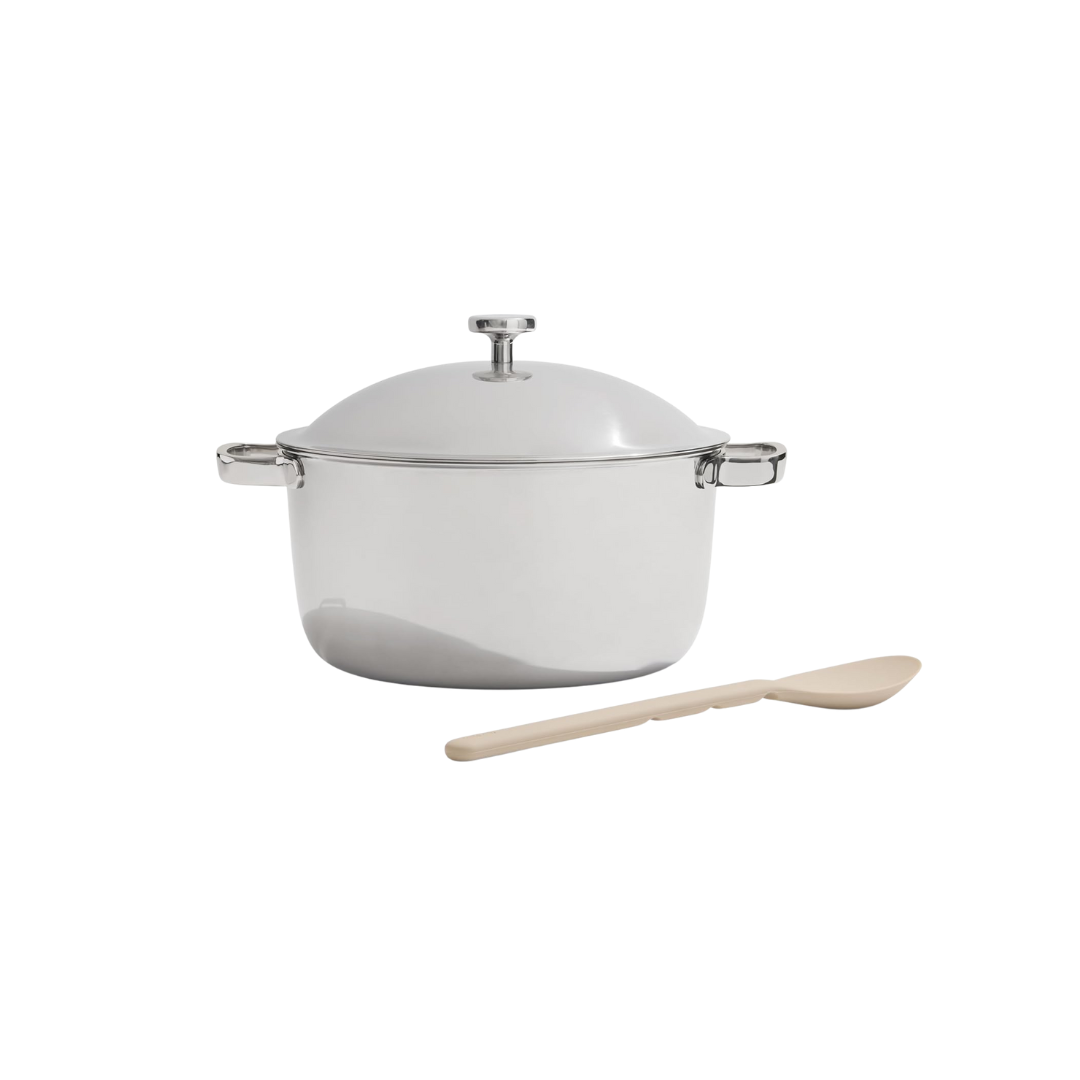
Our Place Titanium Perfect Pot
This is a versatile pot that works for soups, grains, pasta, and one-pot meals.
The ceramic non-stick coating makes it approachable for beginners while avoiding traditional nonstick chemicals.
Our Place Titanium Always Pan Pro
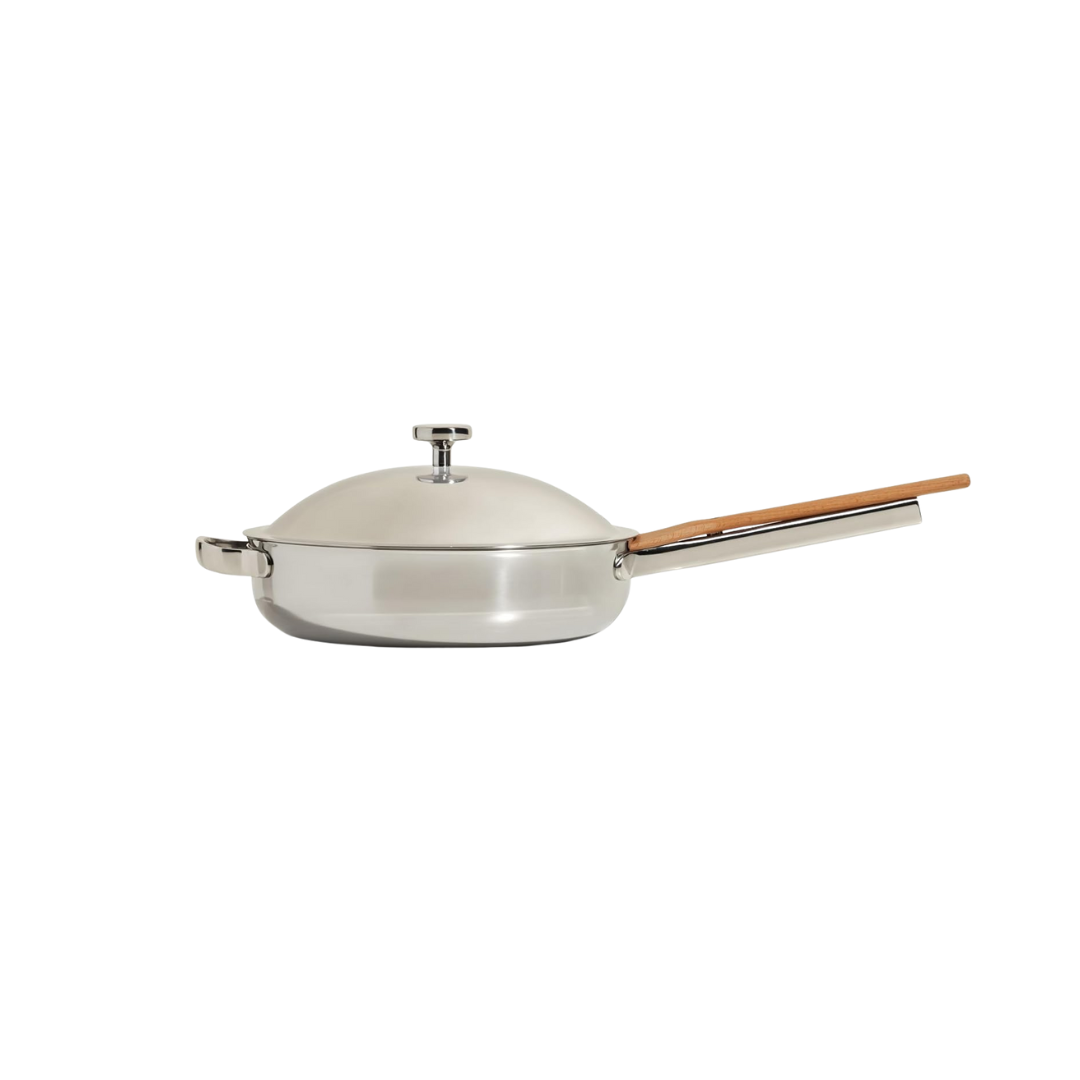
An upgraded version of the Always Pan with better durability and a higher maximum temperature.
This makes it a better choice for everyday cooking and a safer alternative to traditional nonstick pans.
Our Place Ceramic Perfect Pot
A lighter option that’s great for lower heat cooking and easy cleaning. I recommend this for people who want convenience without toxic chemicals.
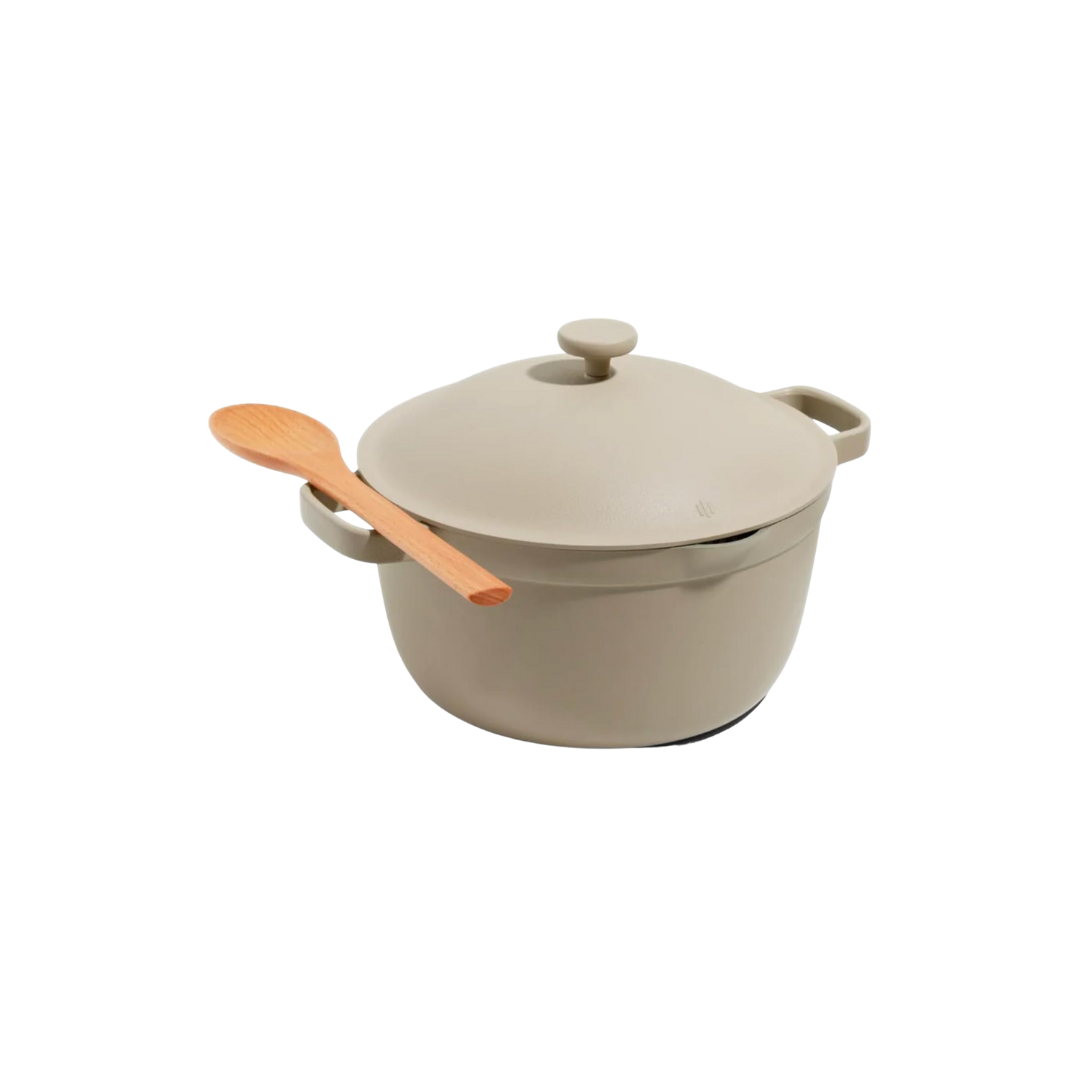
Our Place Always Pan 2.0
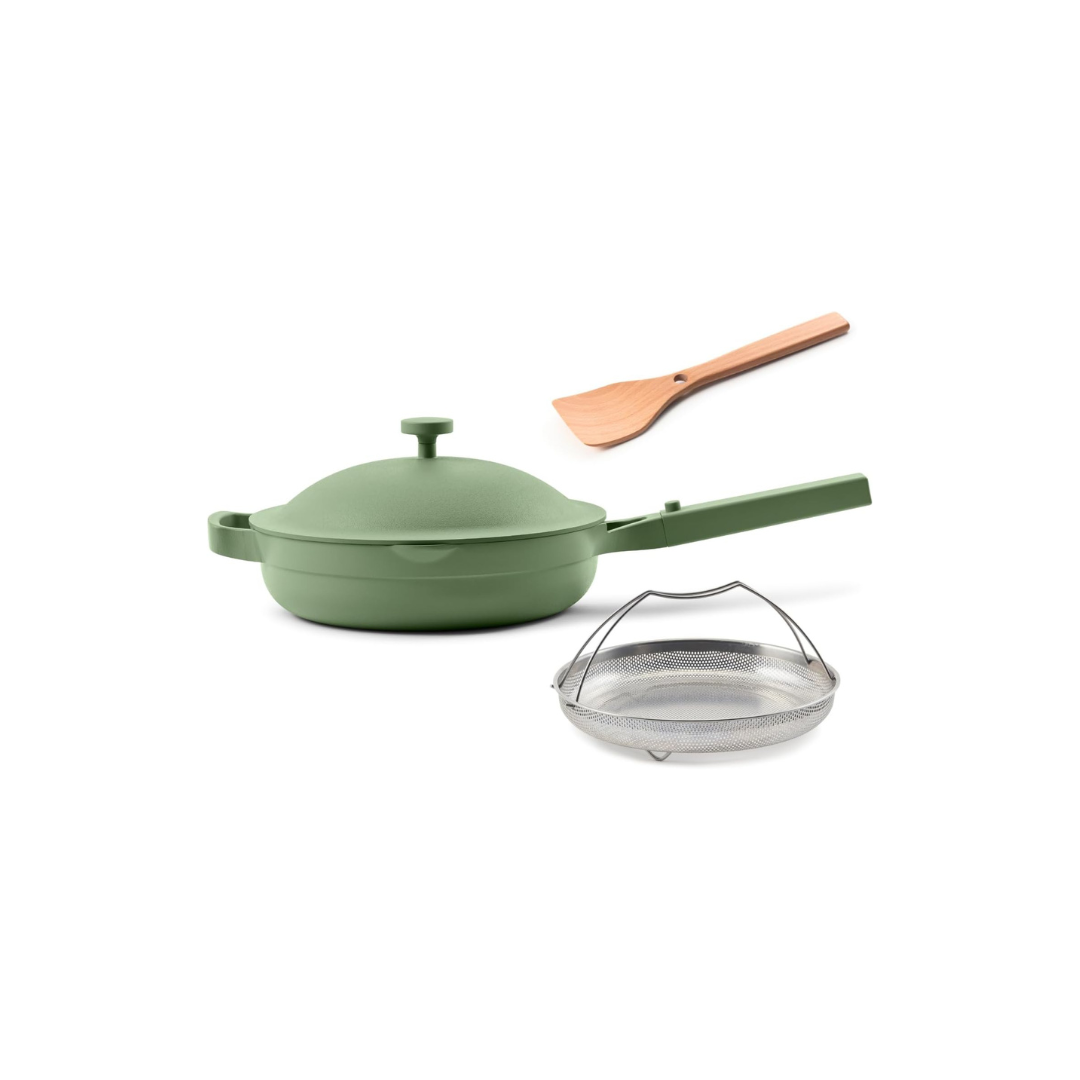
This pan became popular for a reason. It’s versatile and beginner-friendly, but it performs best on medium heat with proper care.
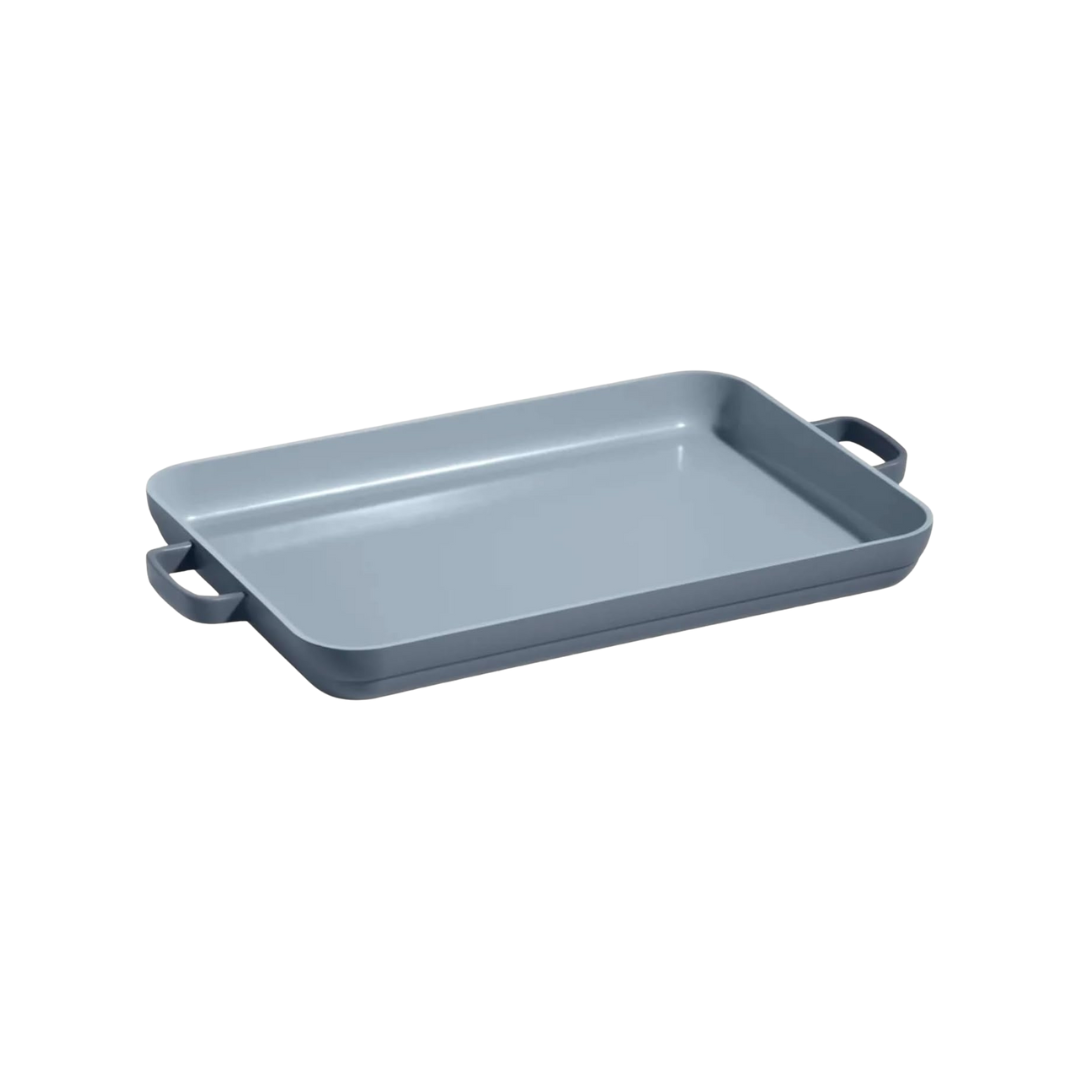
Our Place Griddle Pan
Perfect for pancakes, grilled vegetables, quesadillas, and simple meals that benefit from a flat cooking surface.
Cyrosa Stainless Steel Saucepan
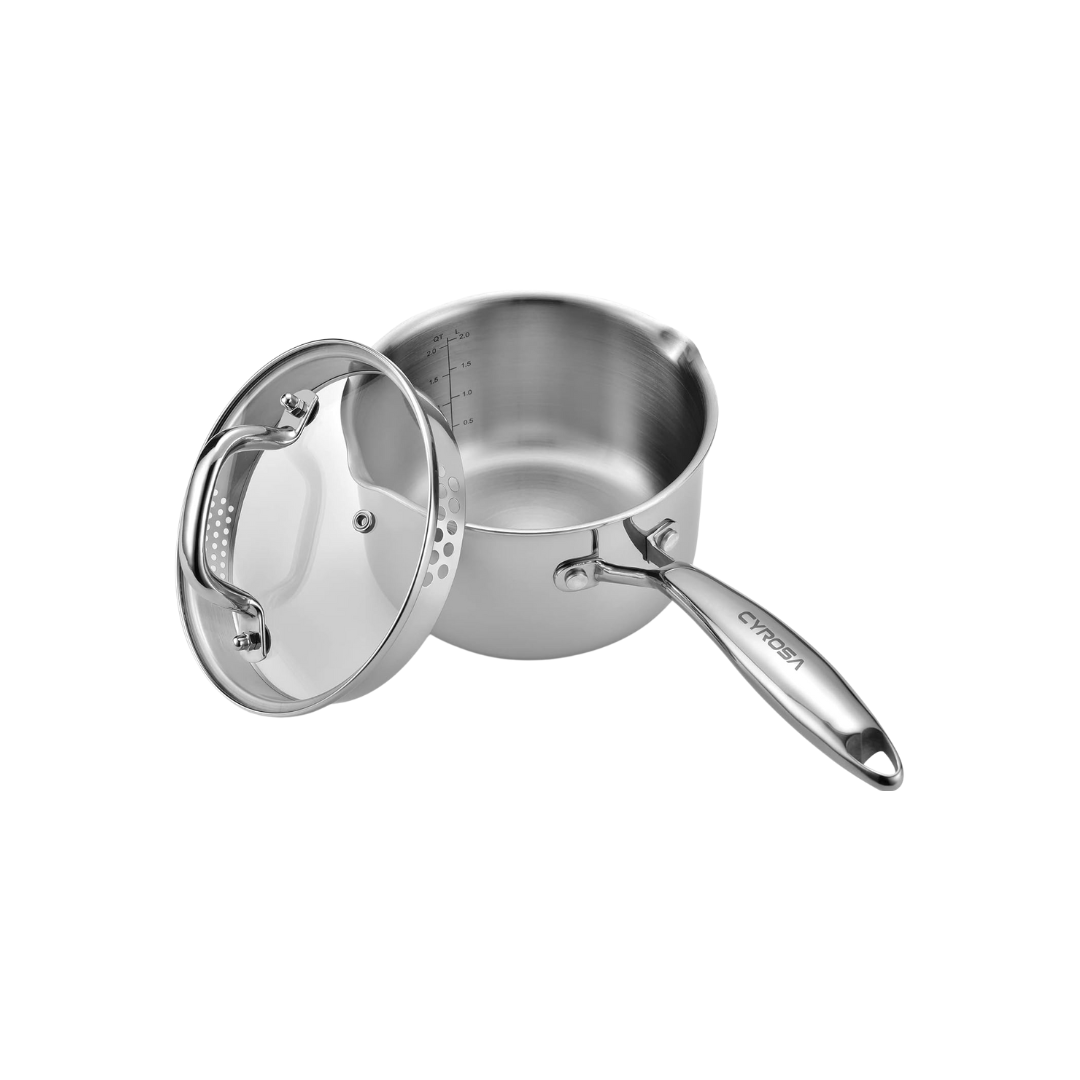
A simple, no-frills stainless steel saucepan that’s perfect for sauces, grains, reheating leftovers, and everyday use.
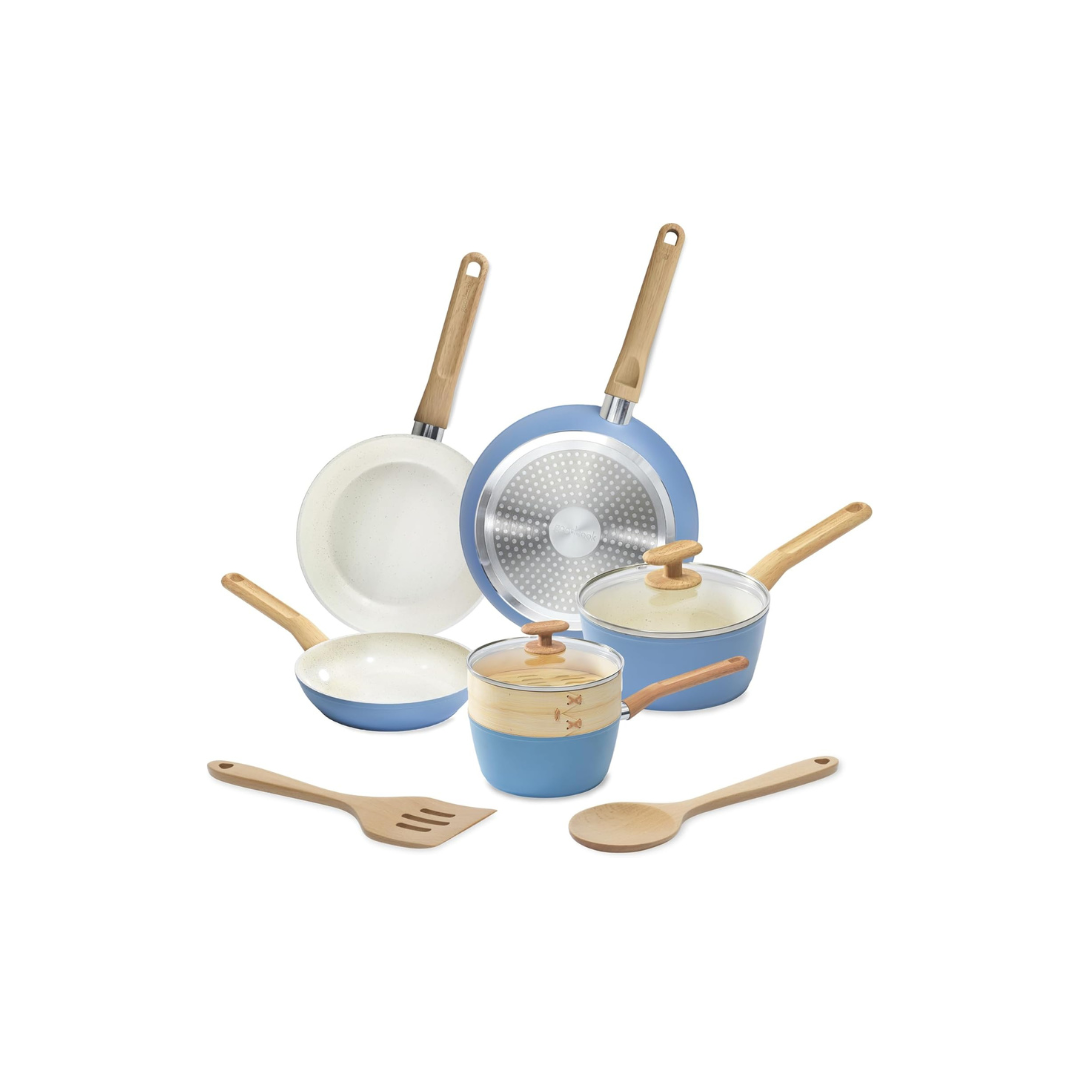
GoodCook Ceramic Titanium-Infused Cookware Set
A great starter set if you’re replacing multiple pieces at once. It’s a good option for beginners who want safer cookware without overthinking every purchase.
GoodCook Healthy Ceramic Titanium-Infused 10” Fry Pan
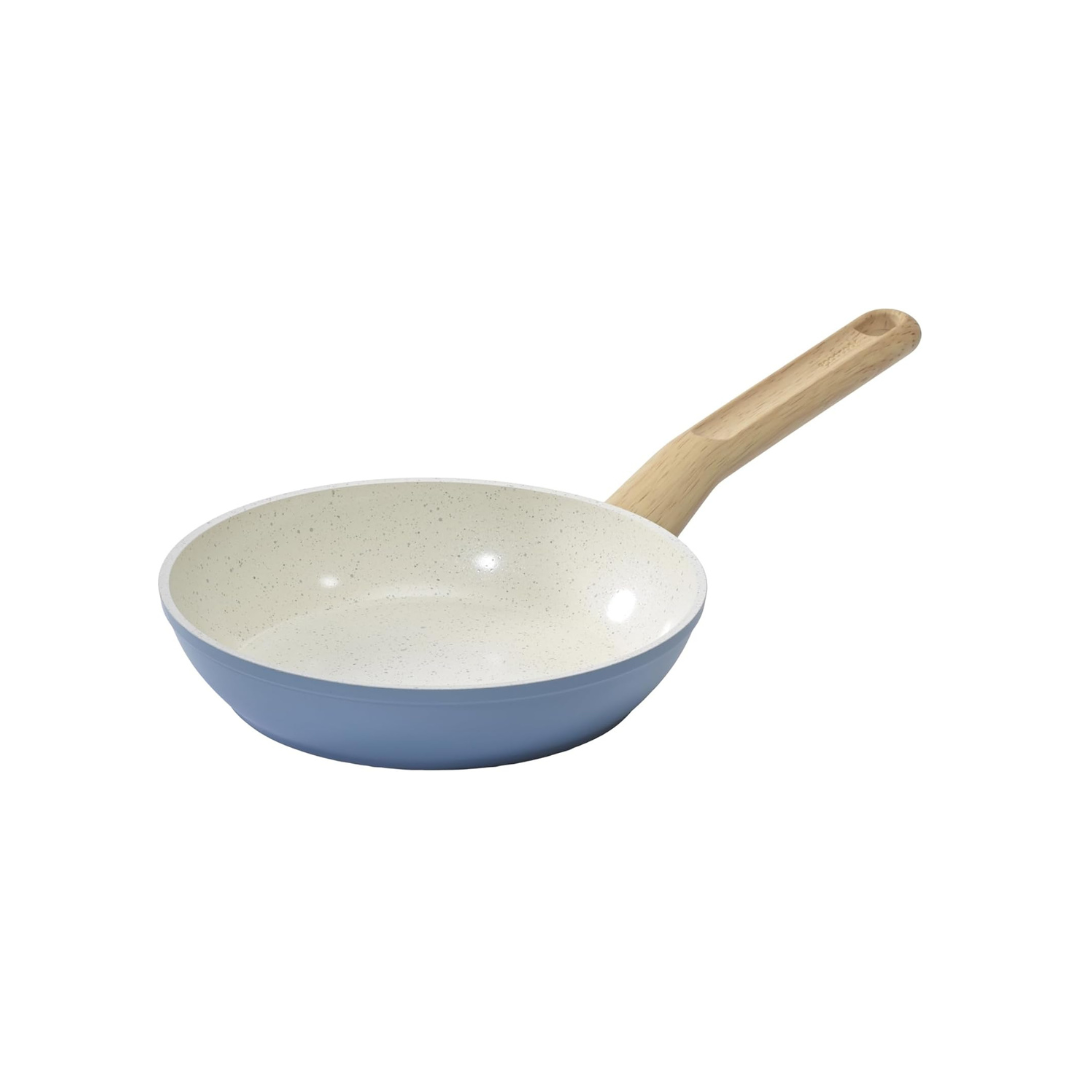
An easy upgrade if you’re replacing just one nonstick frying pan.
Non-Toxic Air Fryers & Countertop Ovens
Air fryers and countertop ovens are used frequently and often at high temperatures, so choosing safer options here is important.
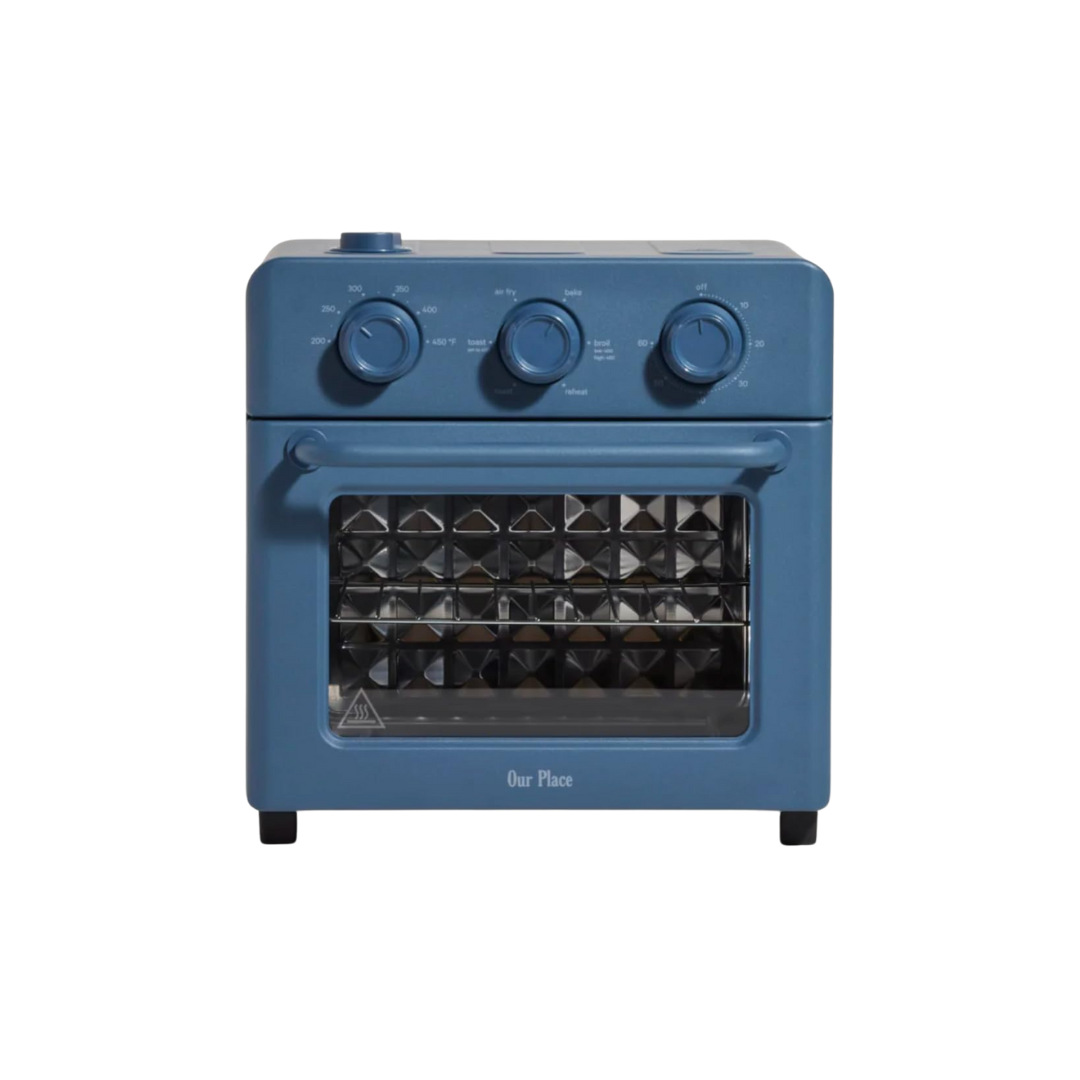
Our Place Wonder Oven
This is one of my favorite alternatives to traditional air fryers. It’s multifunctional, thoughtfully designed, and easy to use. I love it for roasting vegetables, reheating leftovers, and quick dinners when I don’t want to turn on the full oven.
Our Place Large Wonder Oven
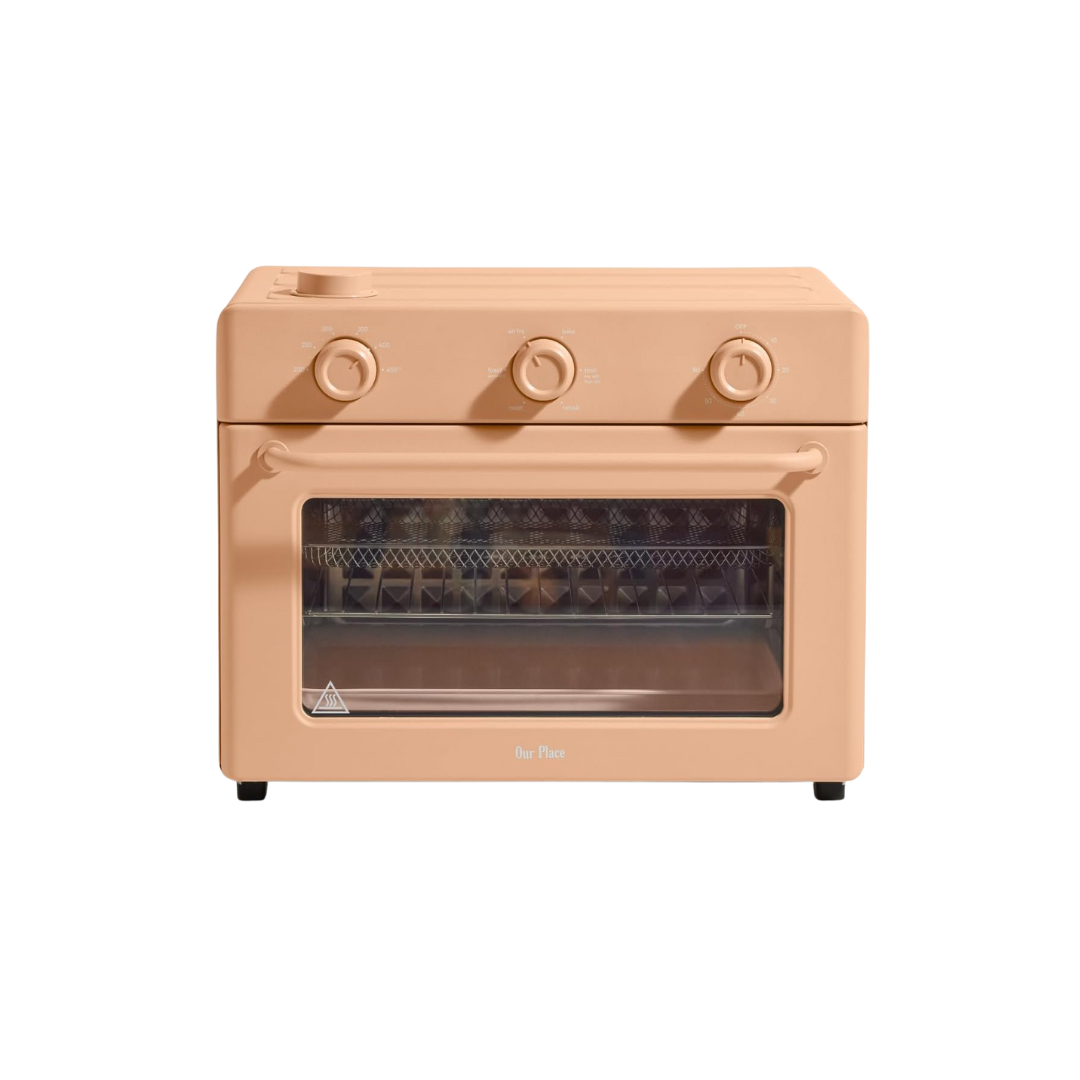
If you cook for a family, meal prep, or entertain often, the large version gives you more flexibility. It performs just as well while allowing you to cook larger portions.
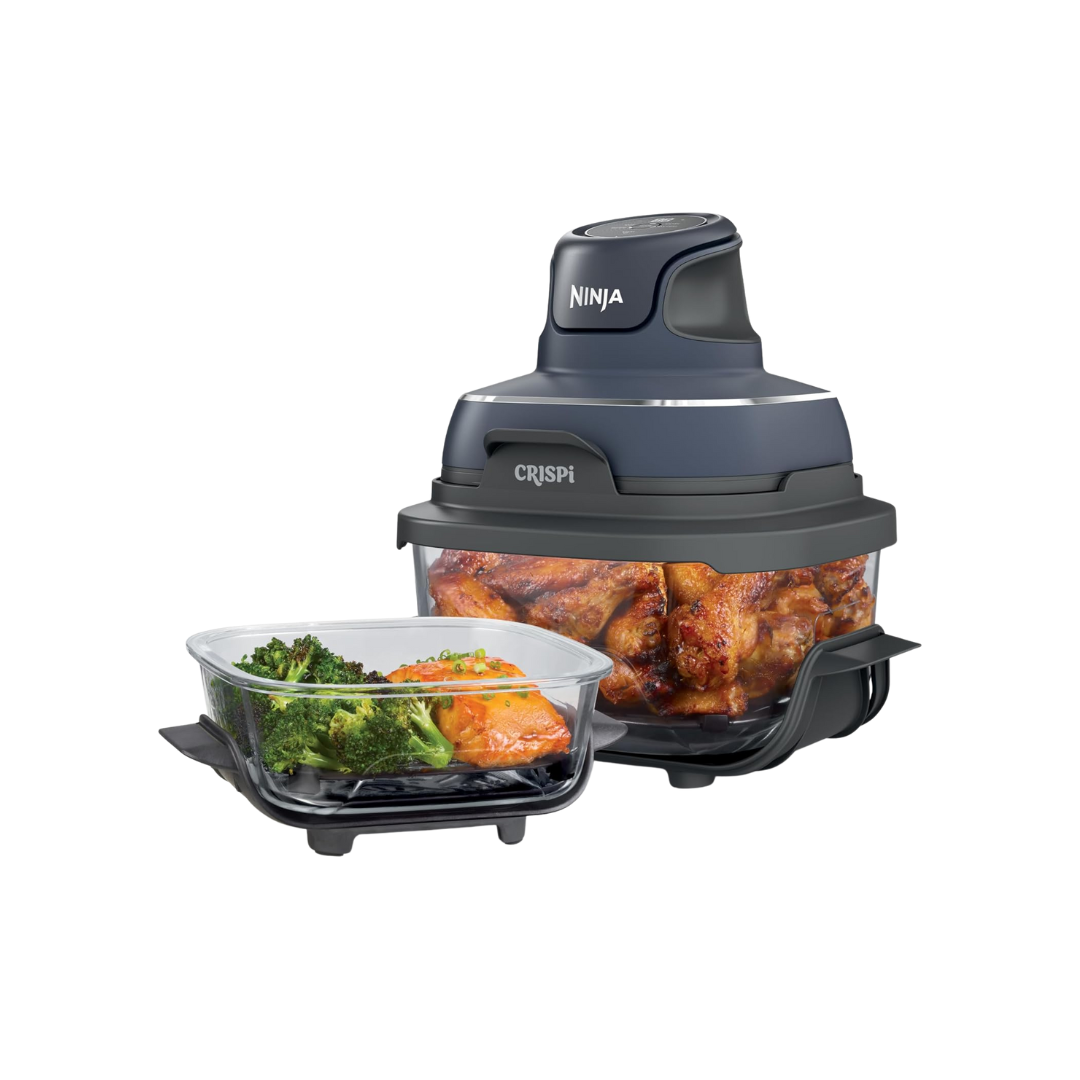
Ninja Crispi
A solid option from a popular brand that many people already trust. It performs well and is approachable for beginners.
Non-Toxic Bakeware
DOWAN Casserole Dish (9x13 Ceramic Baking Dish)
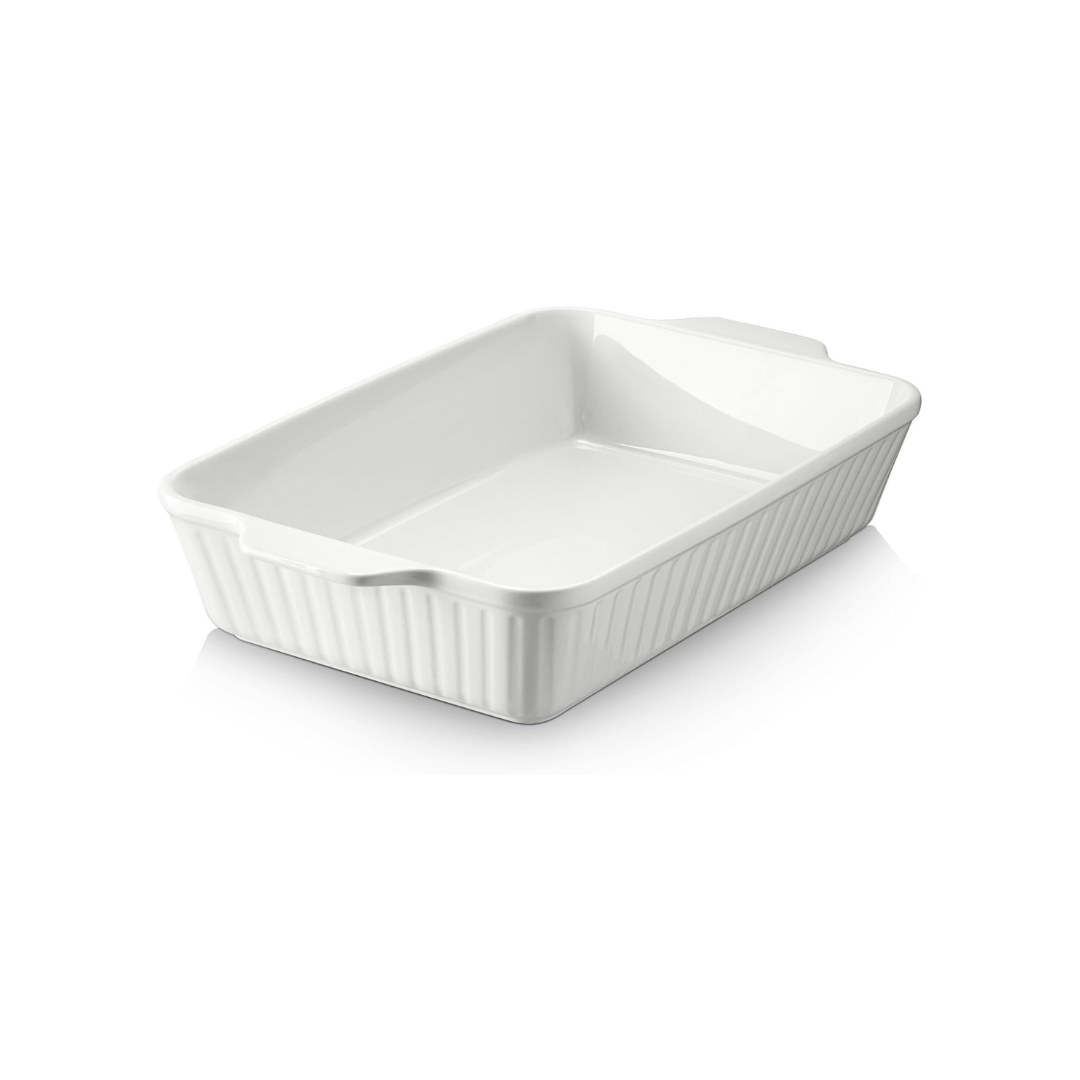
A staple for baked pasta, casseroles, and meals meant to be shared at the dinner table.
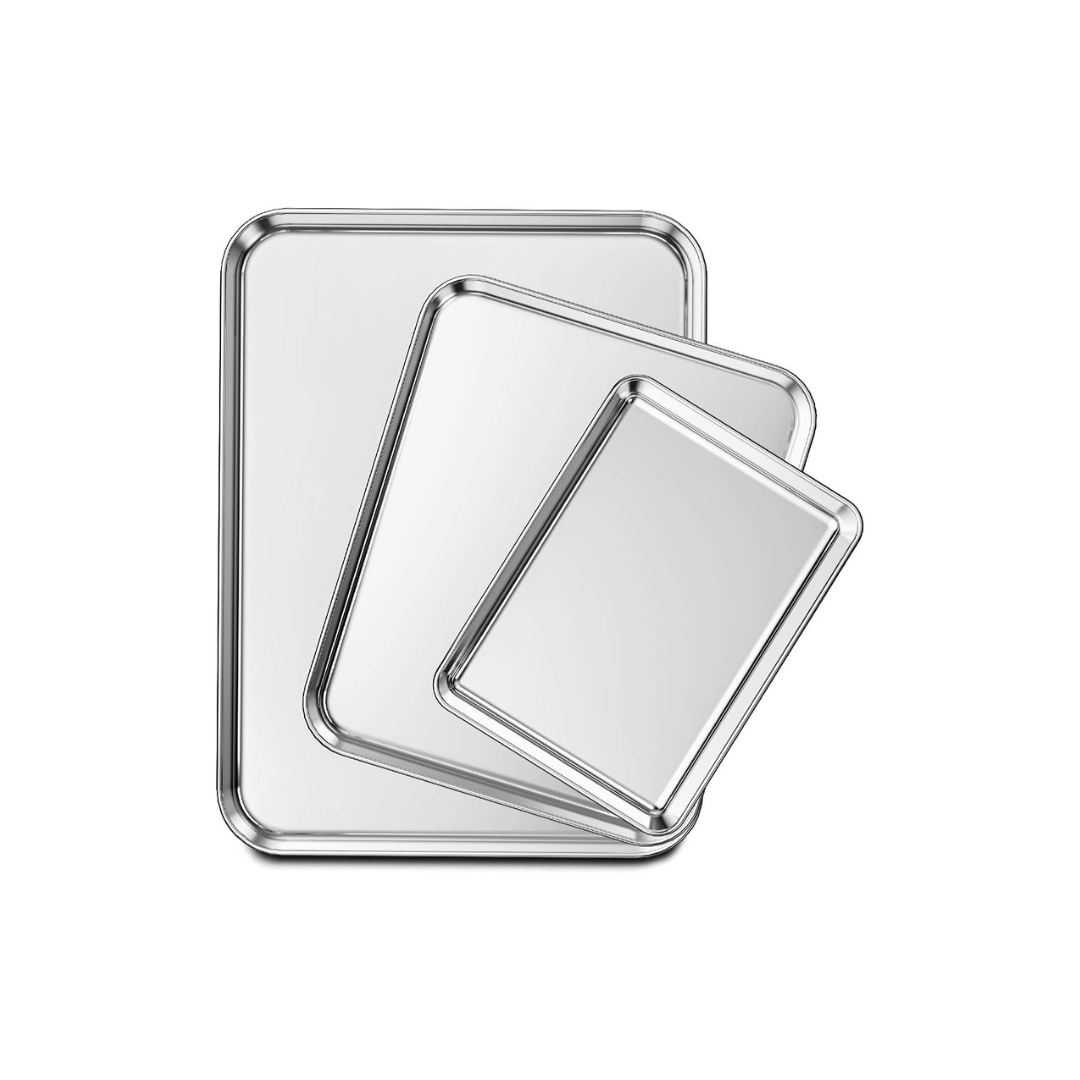
Stainless Steel Sheet Pans
One of the safest bakeware options available. Stainless steel sheet pans handle high temperatures well and don’t leach chemicals.
Stainless Steel Bakeware Set (11-Piece)
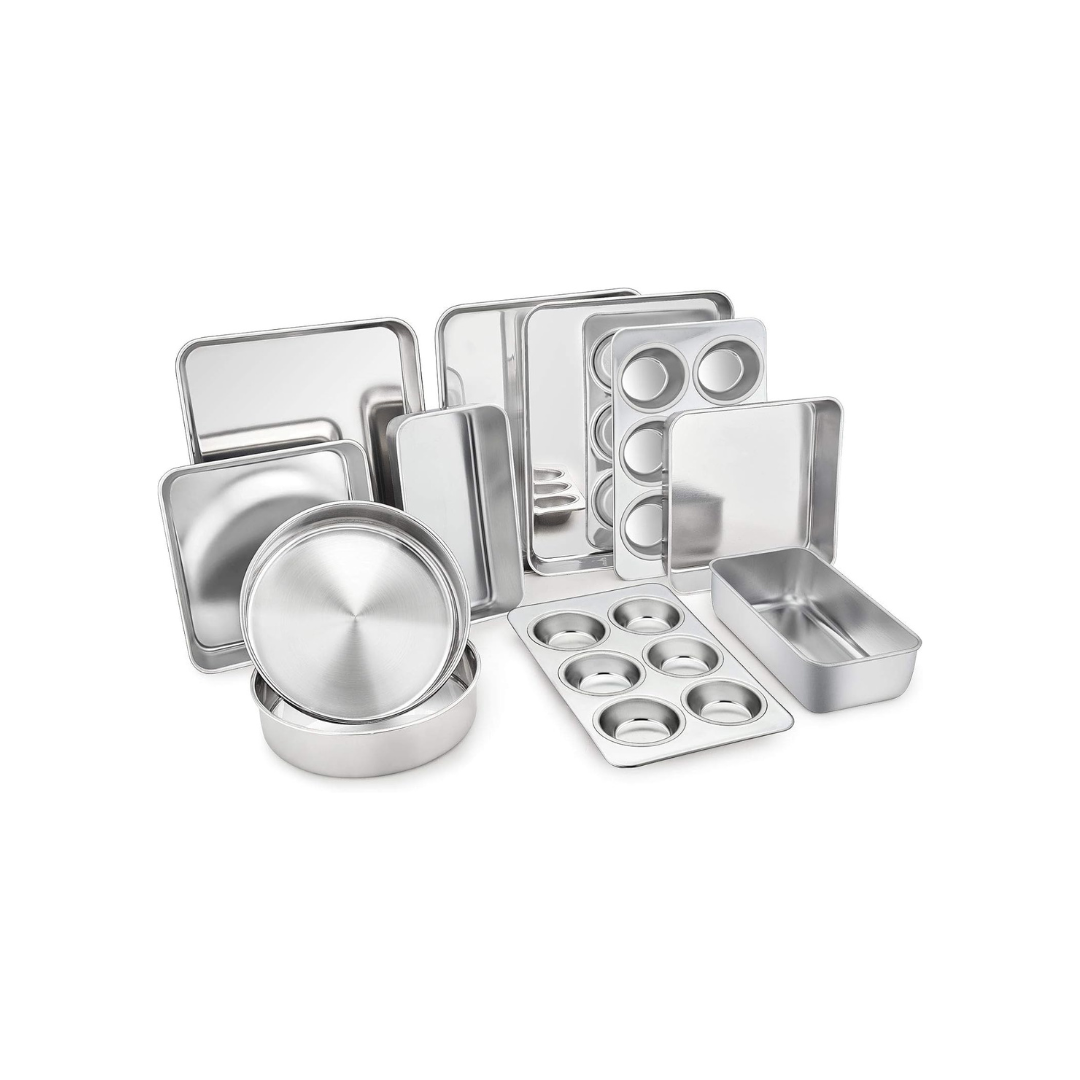
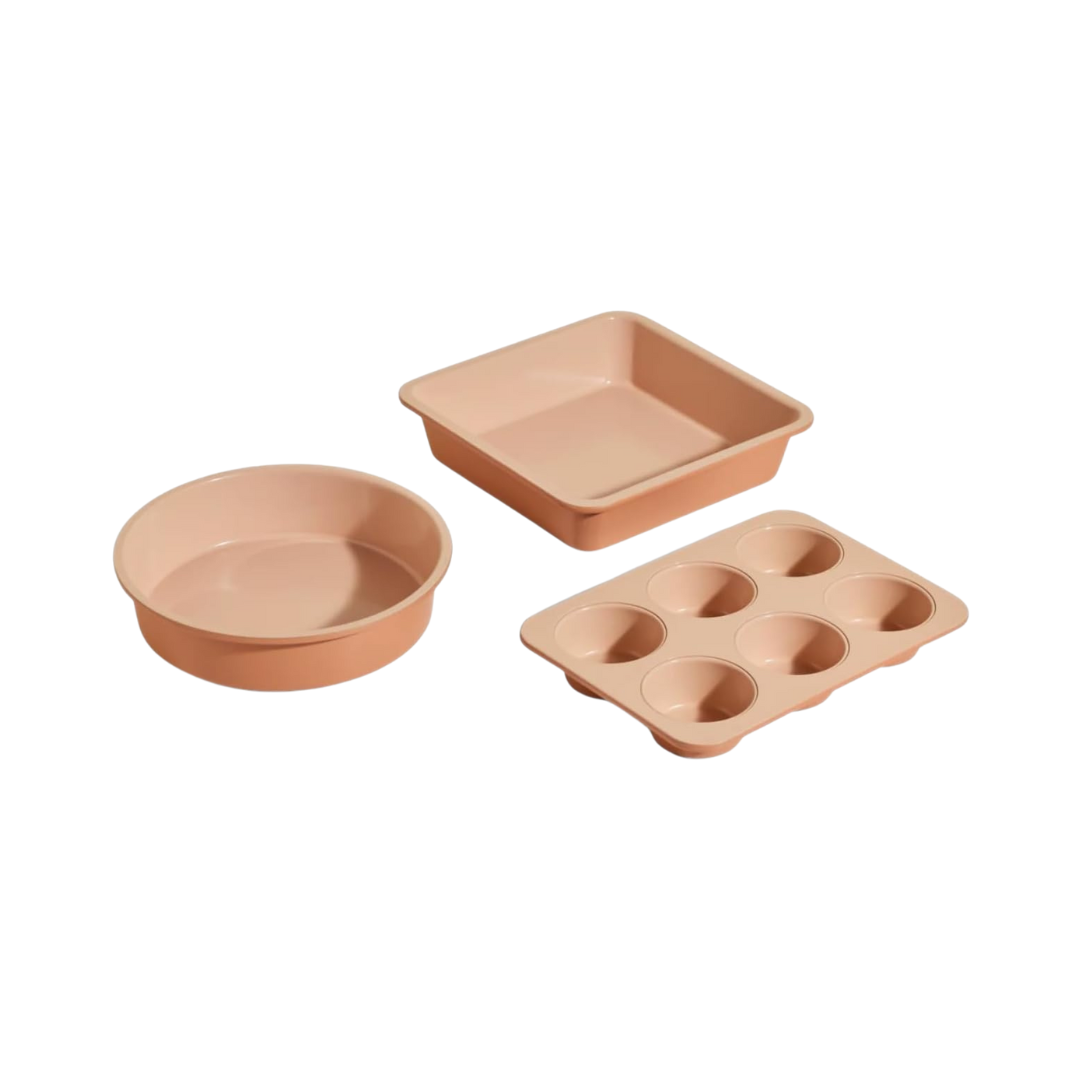
This set covers everything from muffins to roasting pans and is great for home cooks building out a non-toxic kitchen.
Our Place Wonder Oven Baker’s Kit
Designed specifically for the Wonder Oven and ideal for baking without nonstick coatings.
Non-Toxic Blenders
Blenders are another everyday appliance that benefits from safer materials.
Vitamix
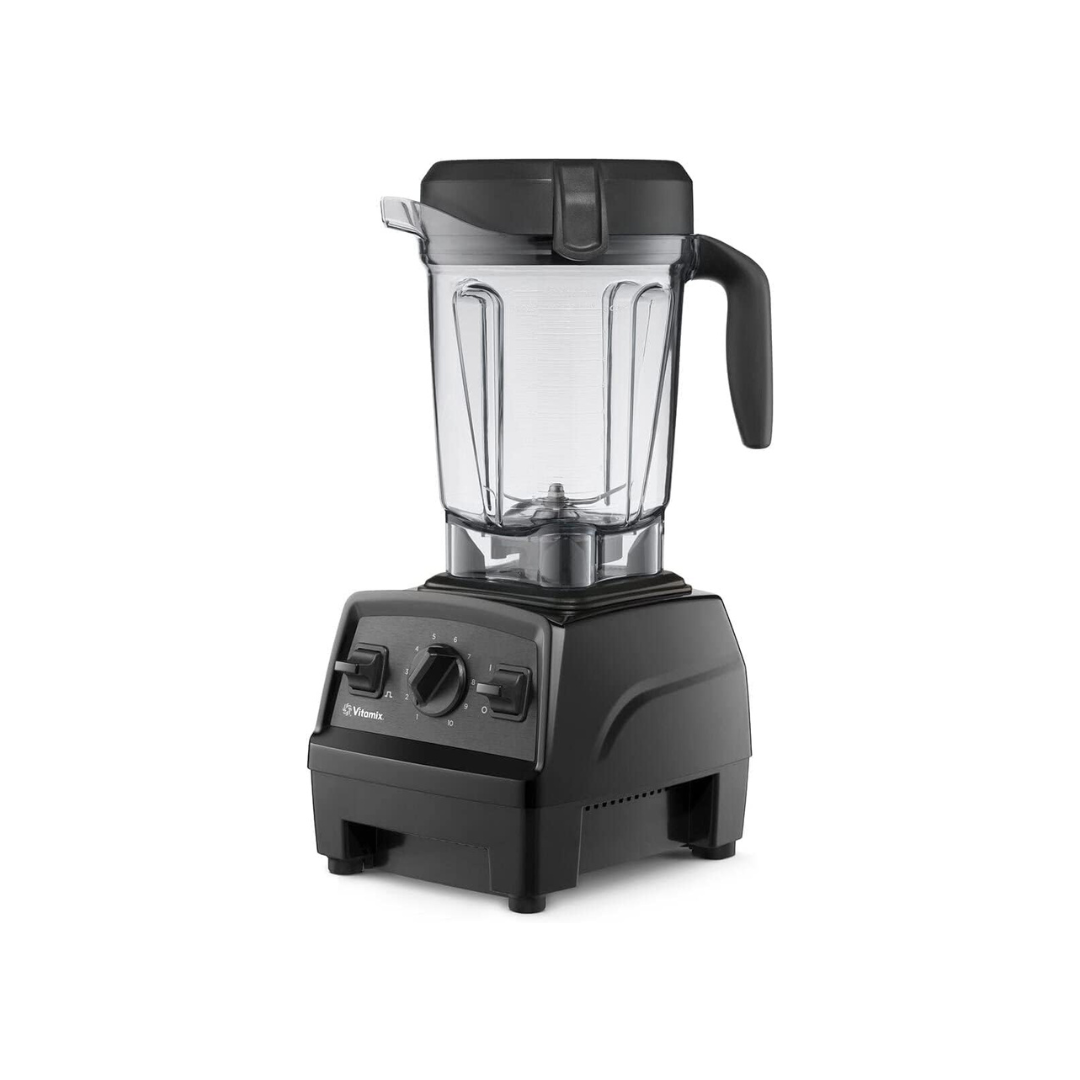
A powerhouse blender built for years of use. It’s excellent for smoothies, soups, sauces, and even nut butters.
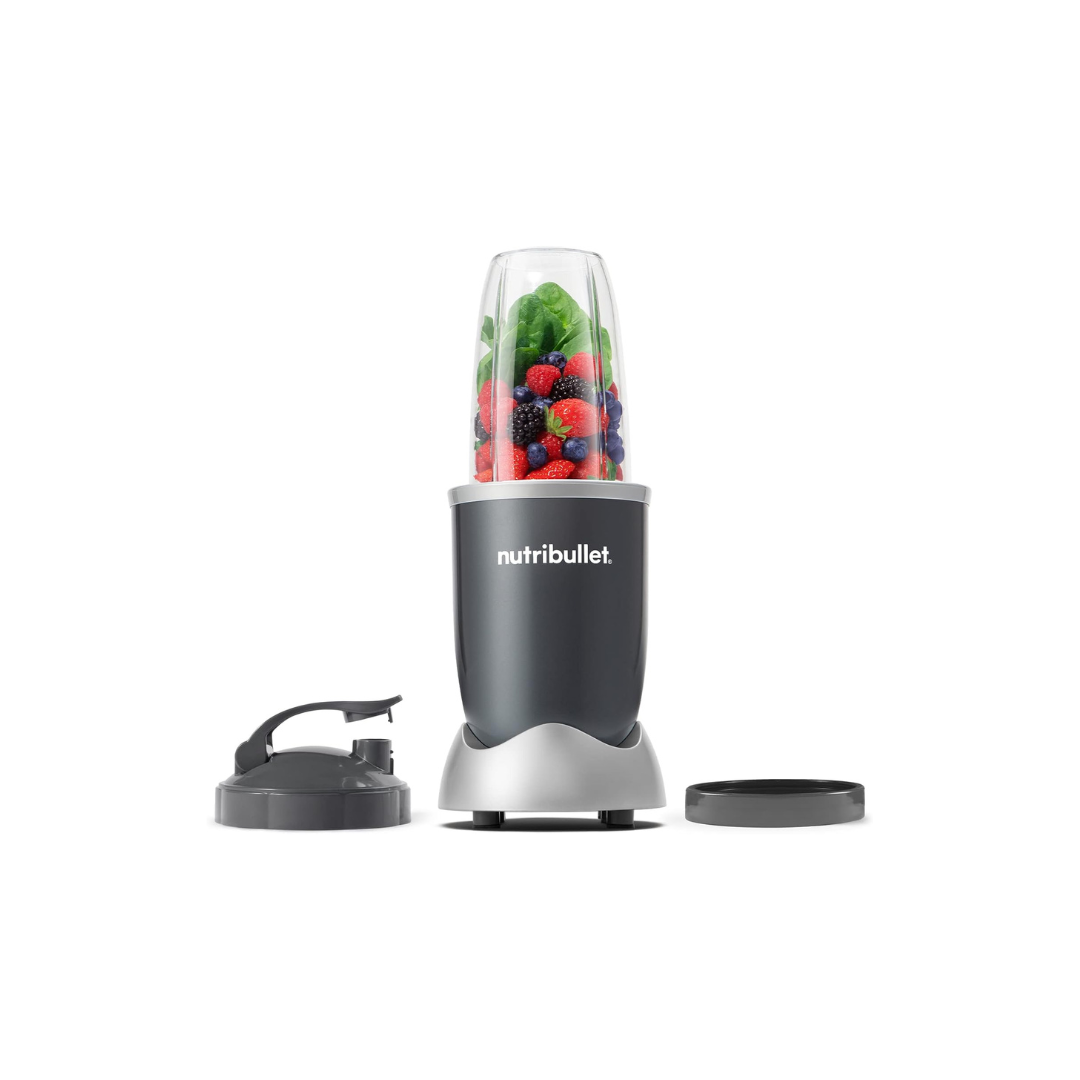
Nutribullet
A great option for simple smoothies and everyday blending.
Ninja Fit Compact Personal Blender
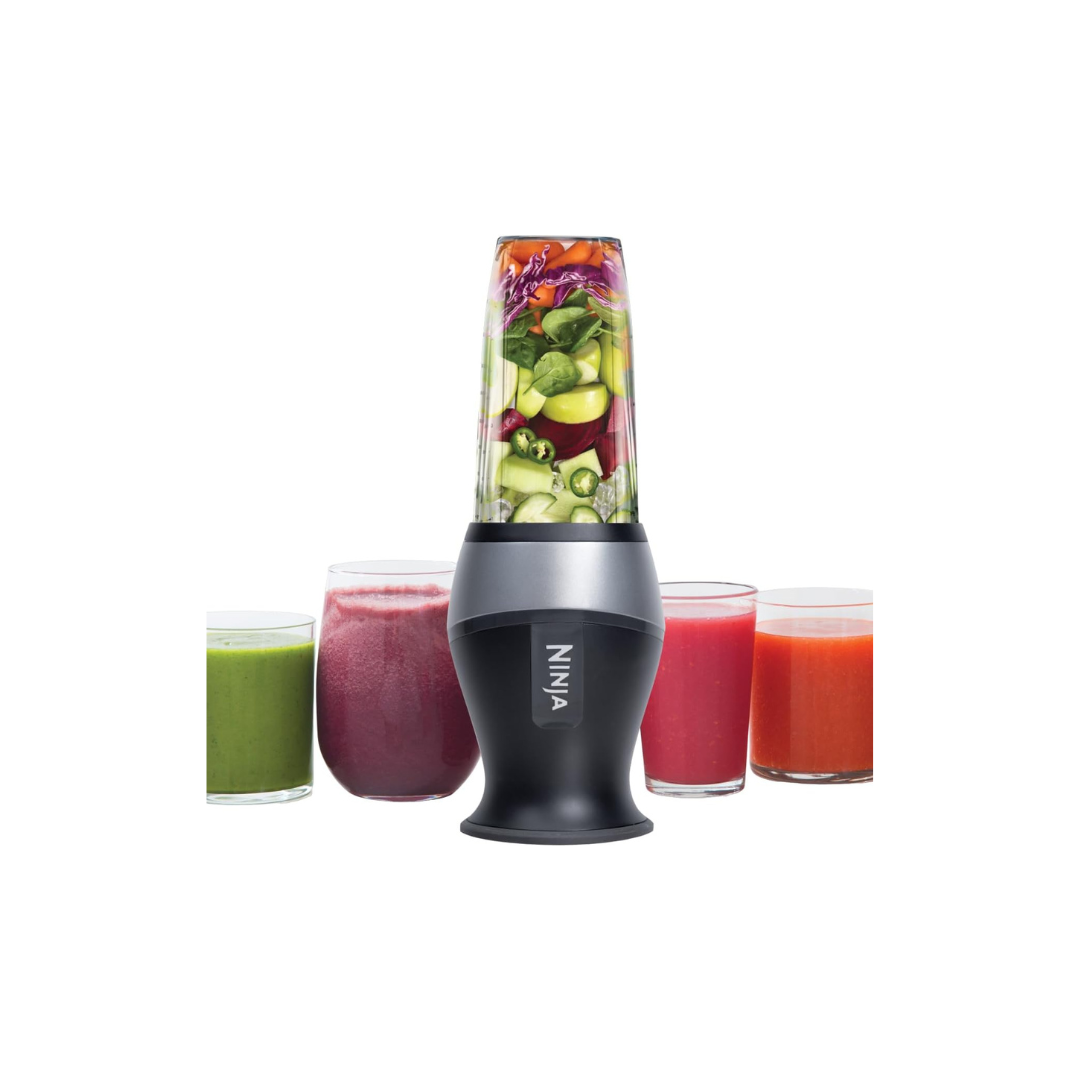
Budget-friendly, compact, and easy to store.
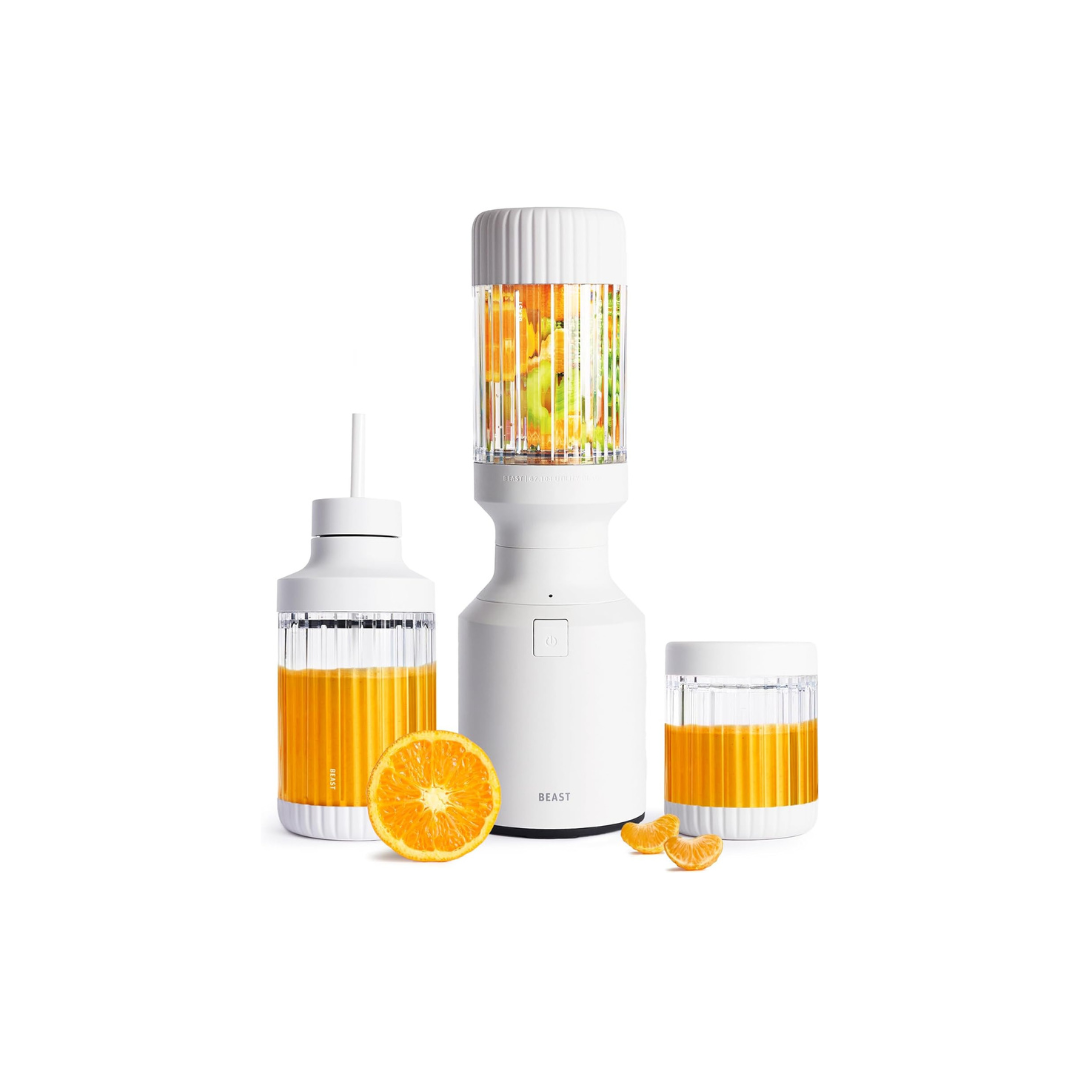
Beast Mini Blender
Sleek, powerful, and perfect for smaller kitchens.
Our Place Splendor Blender
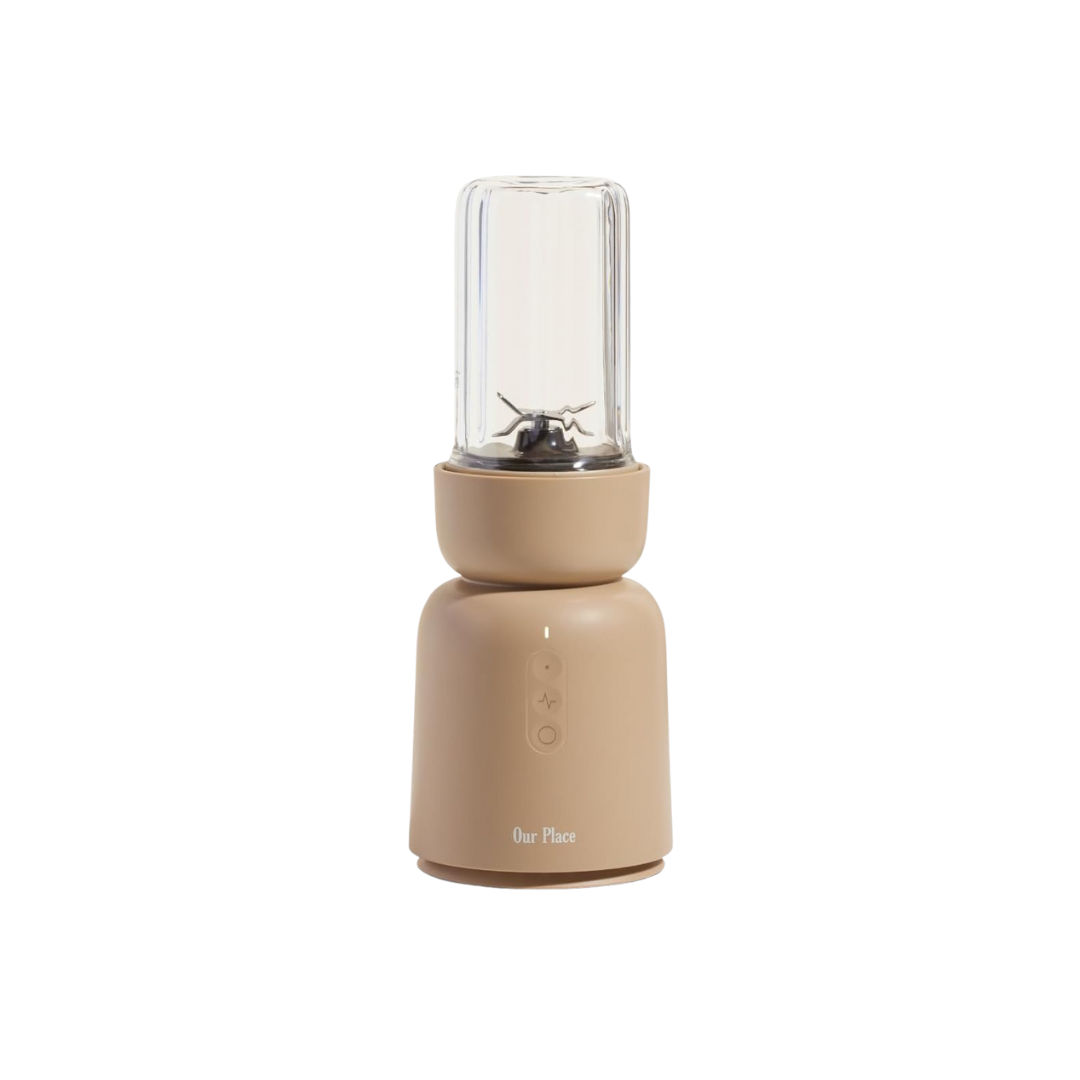
A beautifully designed blender that fits seamlessly into a non-toxic kitchen aesthetic.
Non-Toxic Kitchen Tools & Accessories
Small swaps matter, especially when it comes to the tools you use every day. I prioritize glass, stainless steel, and wood over plastic whenever possible, especially for items that come into direct contact with food.
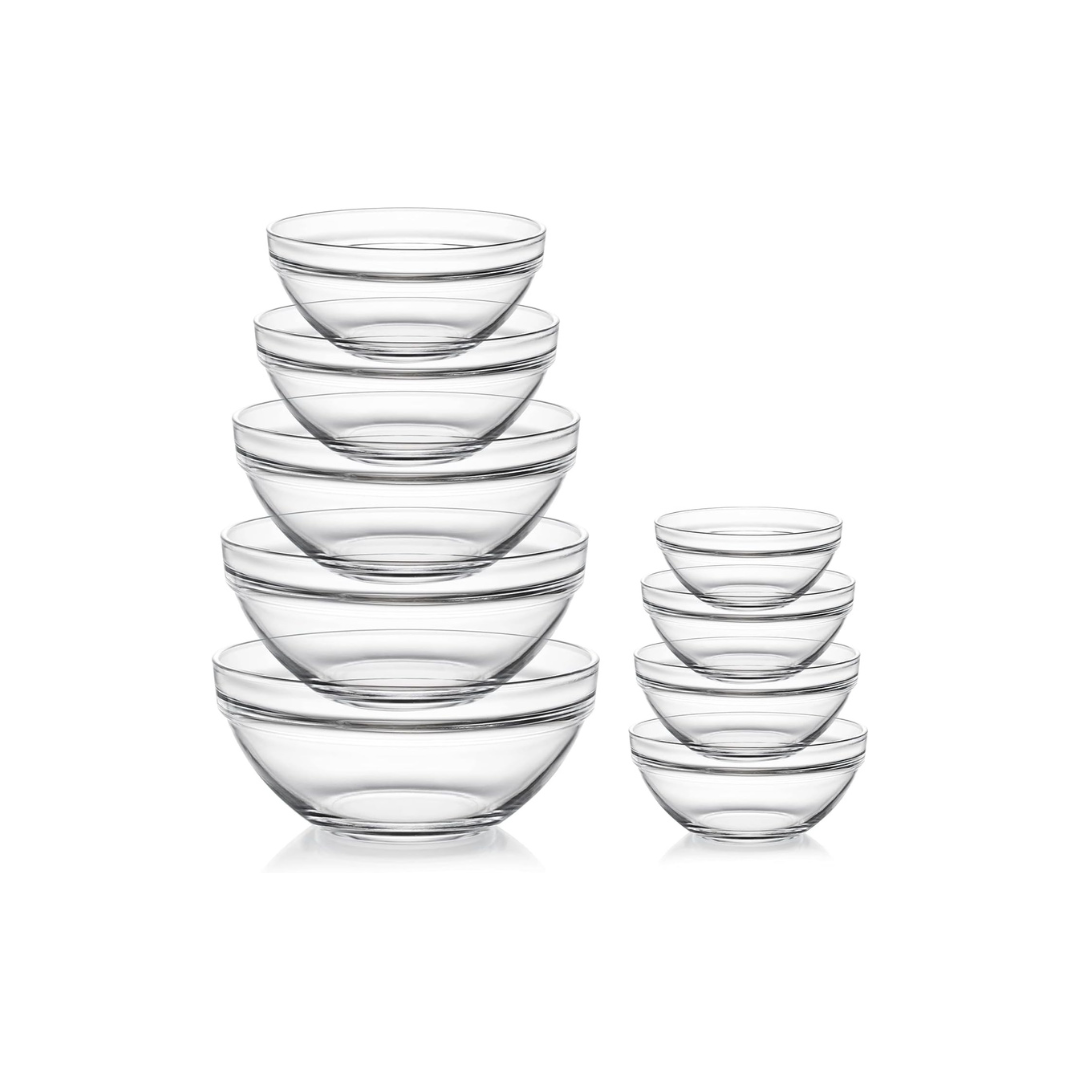
Glass Bowl Set
A kitchen staple for mixing, prepping ingredients, and storing leftovers. Glass is non-toxic and doesn’t absorb odors or stains over time.
Stainless Steel Cutting Board
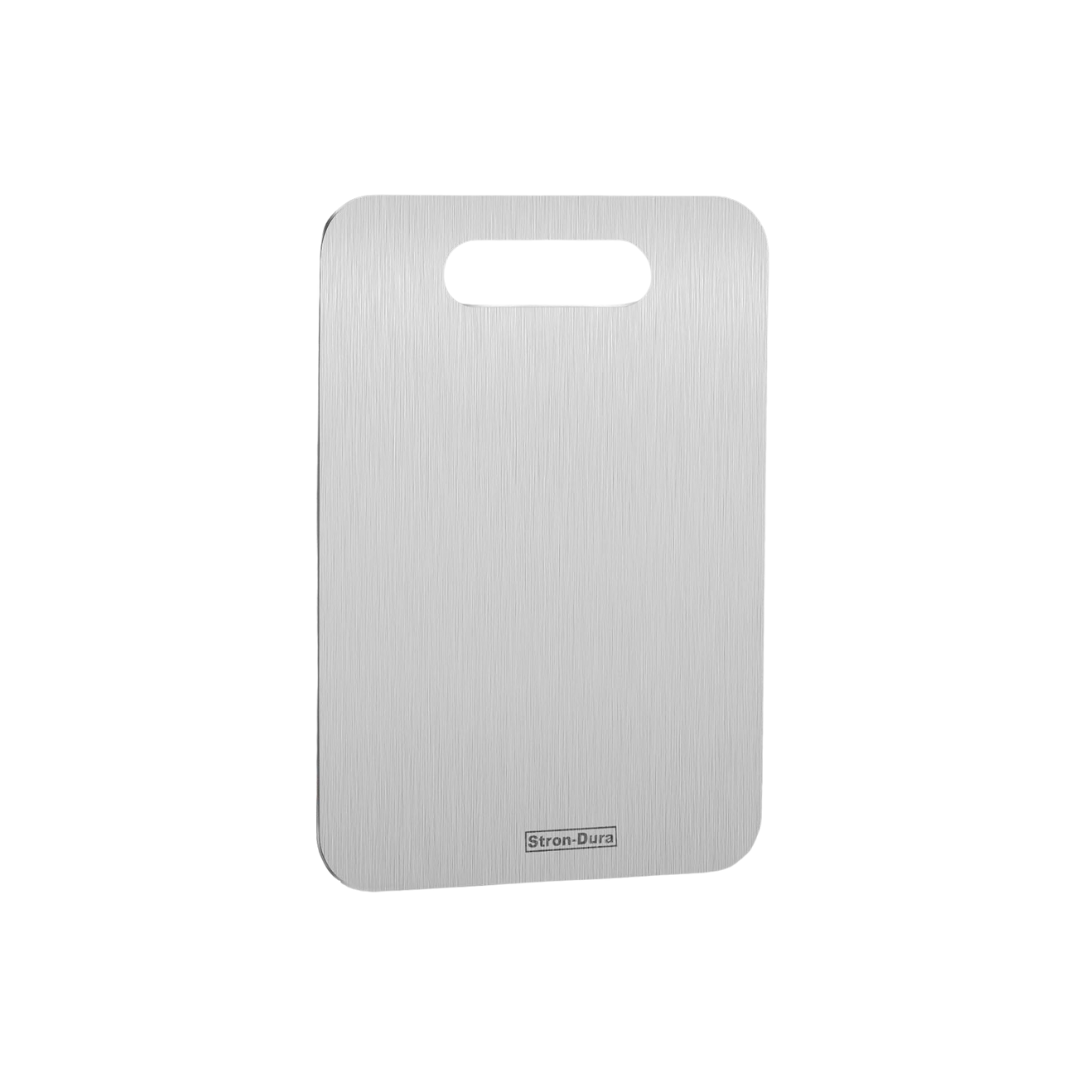
A durable, non-porous option that’s easy to clean and sanitize. Great for everyday prep and reducing plastic in the kitchen.
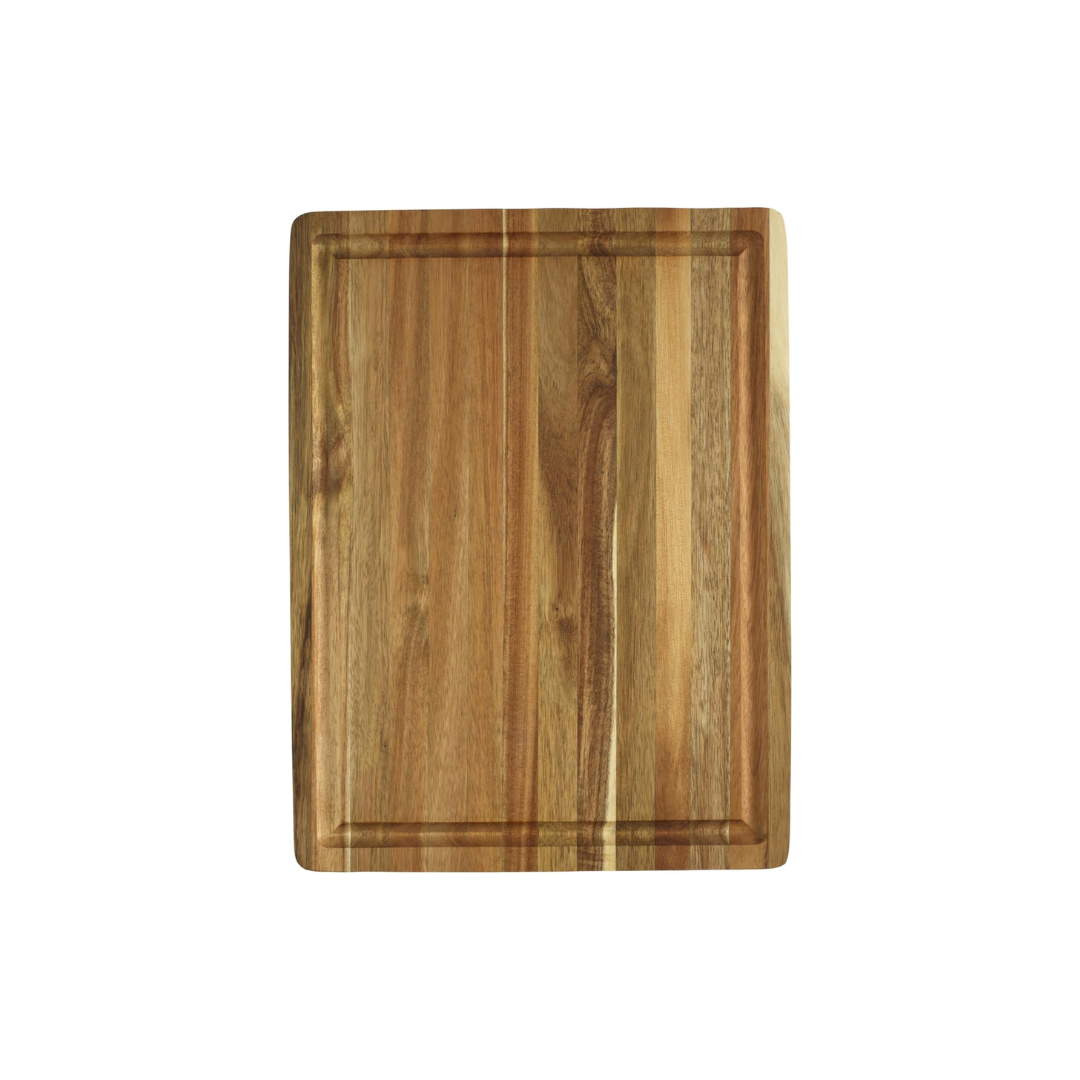
GoodCook Wooden Cutting Board
A classic choice for daily chopping. Wood is gentle on knives and works well for a variety of ingredients.
FineDine Glass Meal Prep Containers
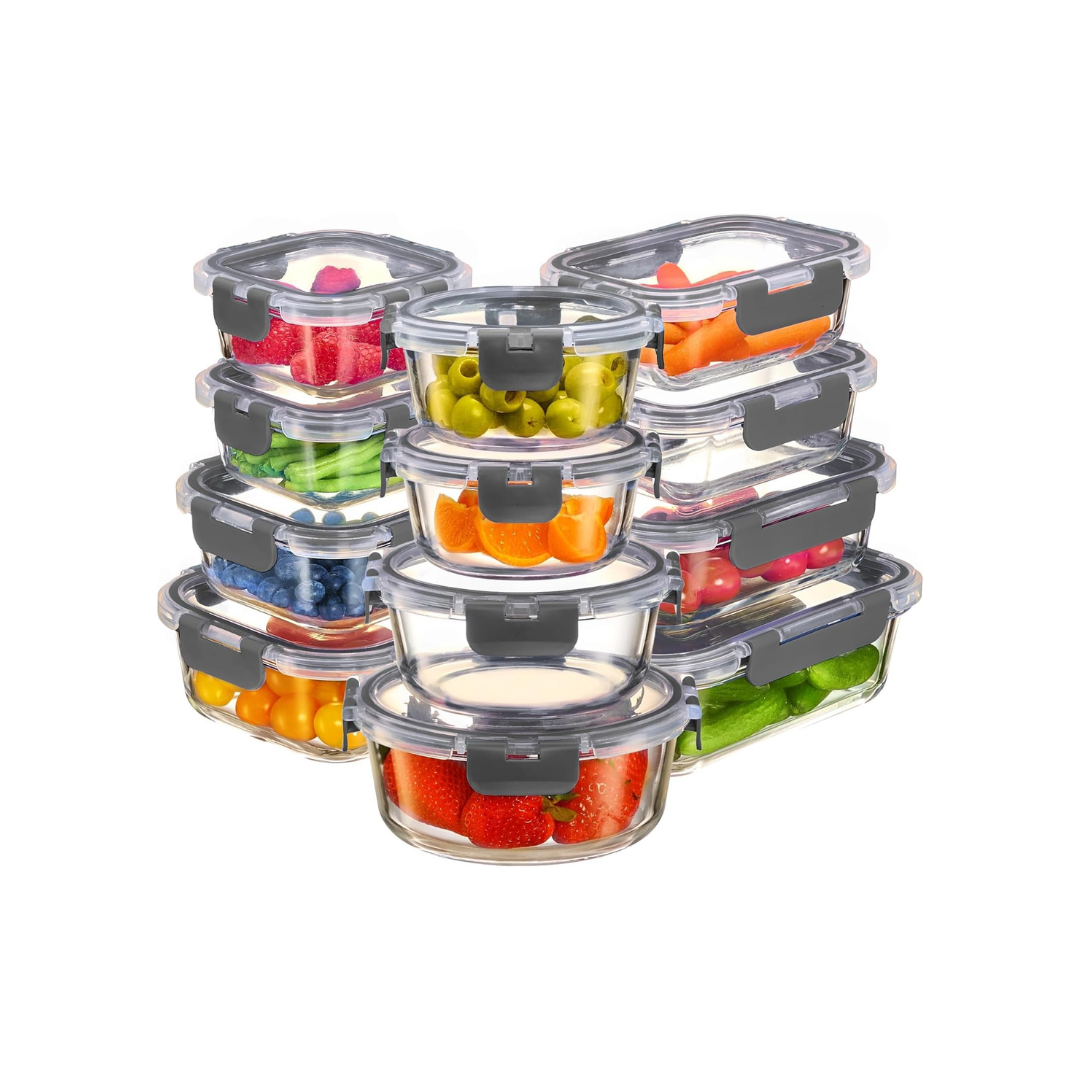
Ideal for storing leftovers and meal prep. Glass containers are safe to reheat and don’t leach chemicals.
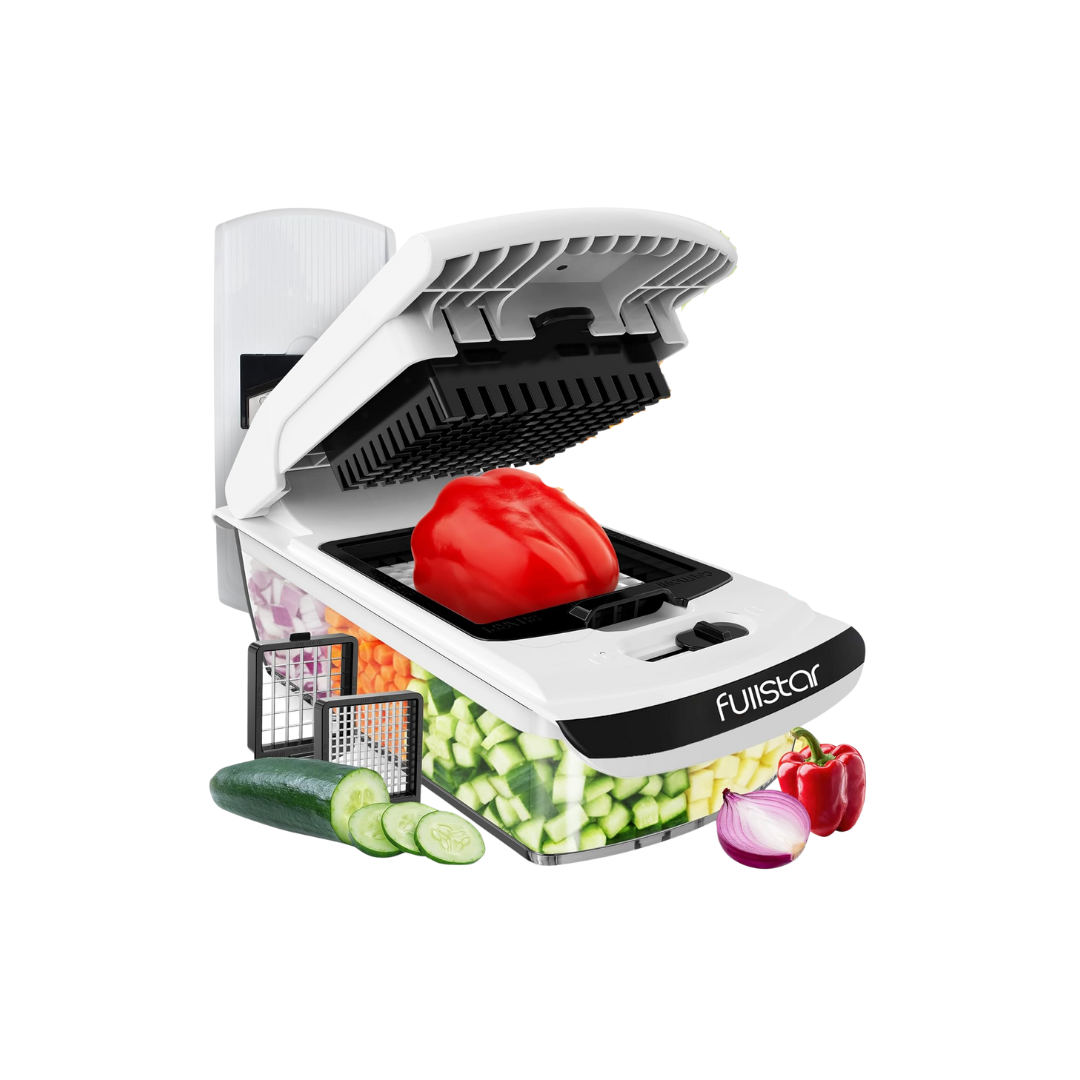
Fullstar The Original Pro Chopper
A helpful tool for quickly chopping vegetables and saving time during busy weeks in the kitchen.
Ninja K32009 Foodi NeverDull Premium Knife System
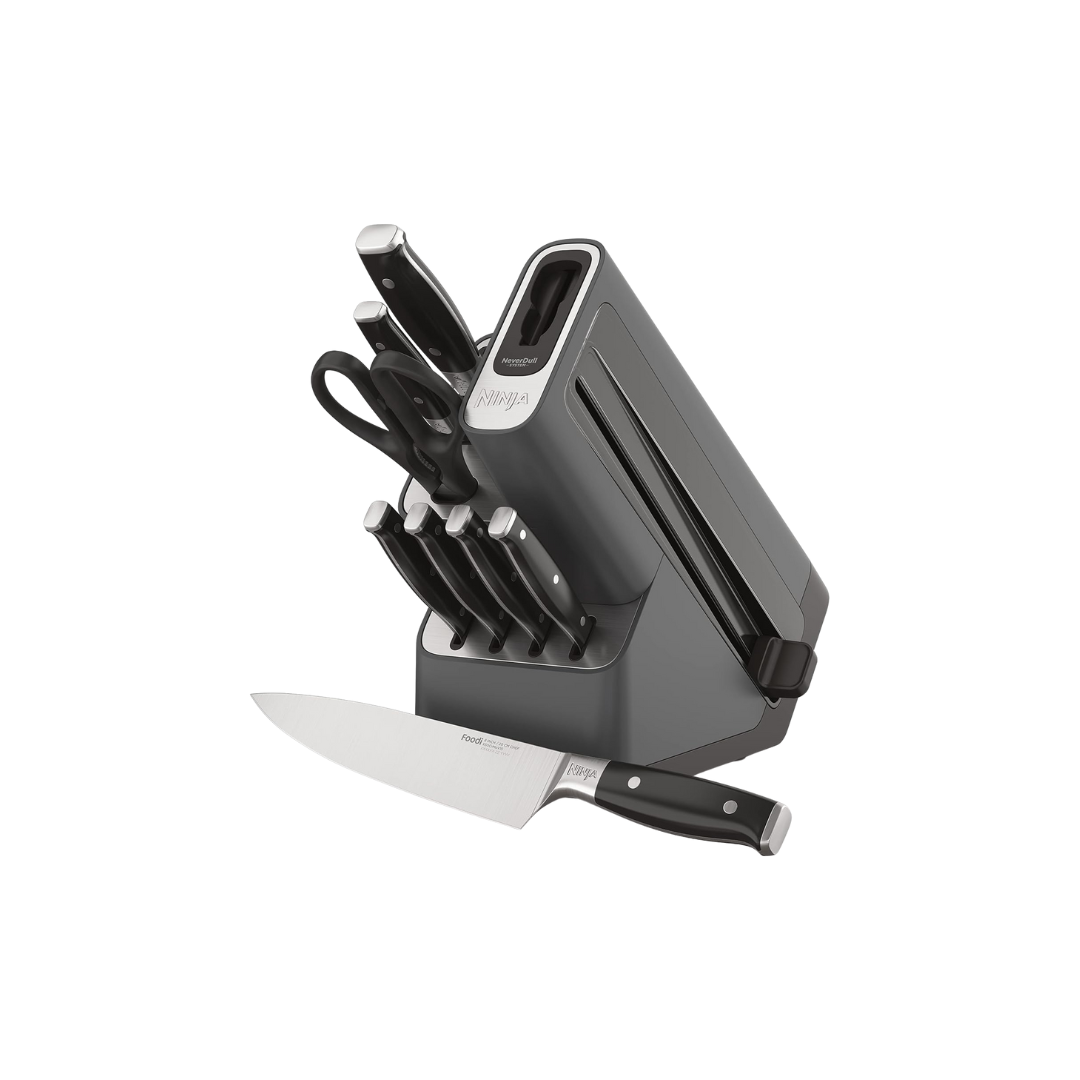
A reliable knife system that stays sharp and makes everyday prep easier and safer.
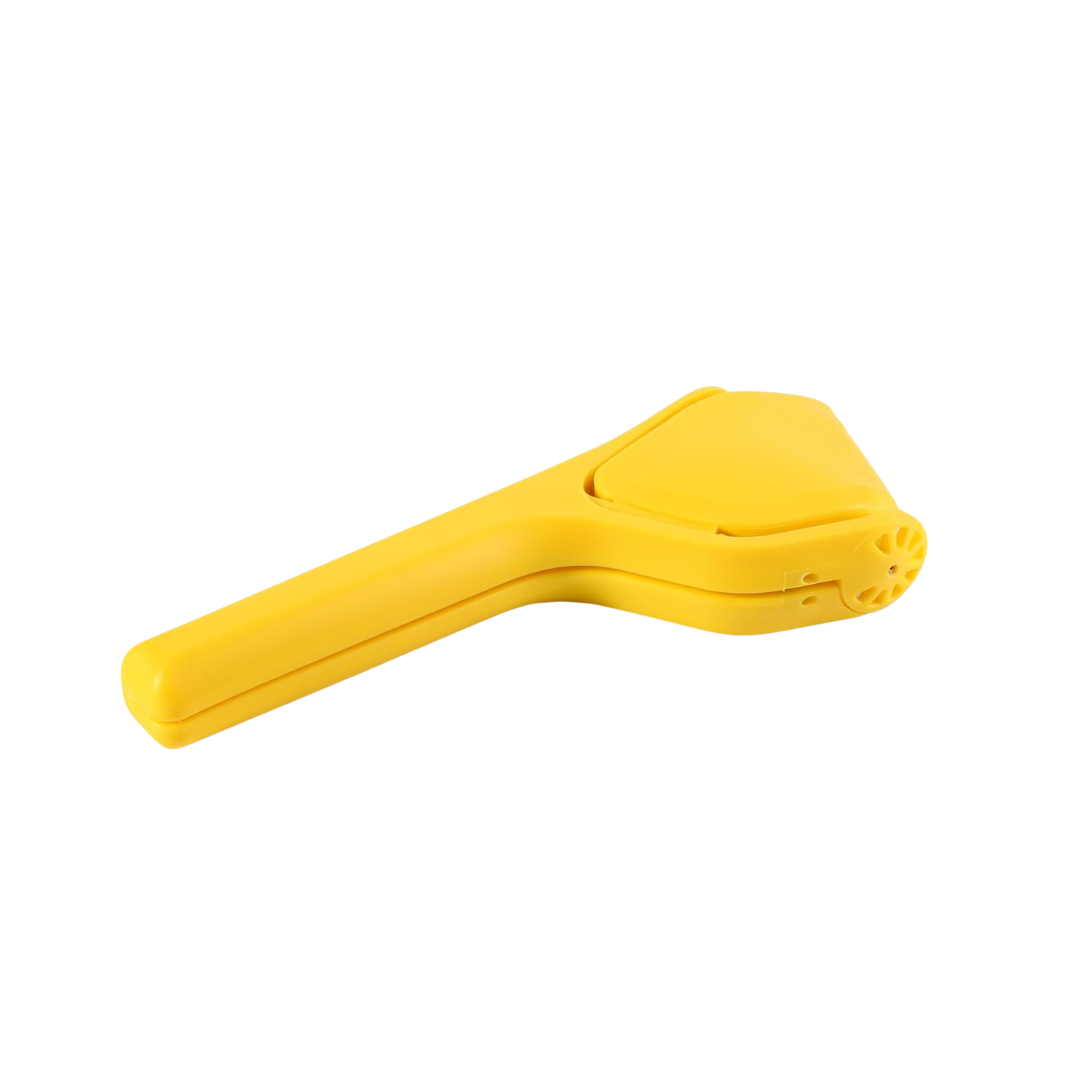
Lemon Squeezer
Perfect for adding fresh citrus to meals, dressings, and sauces without relying on bottled juice.
Stainless Steel Measuring Cups & Spoons Set
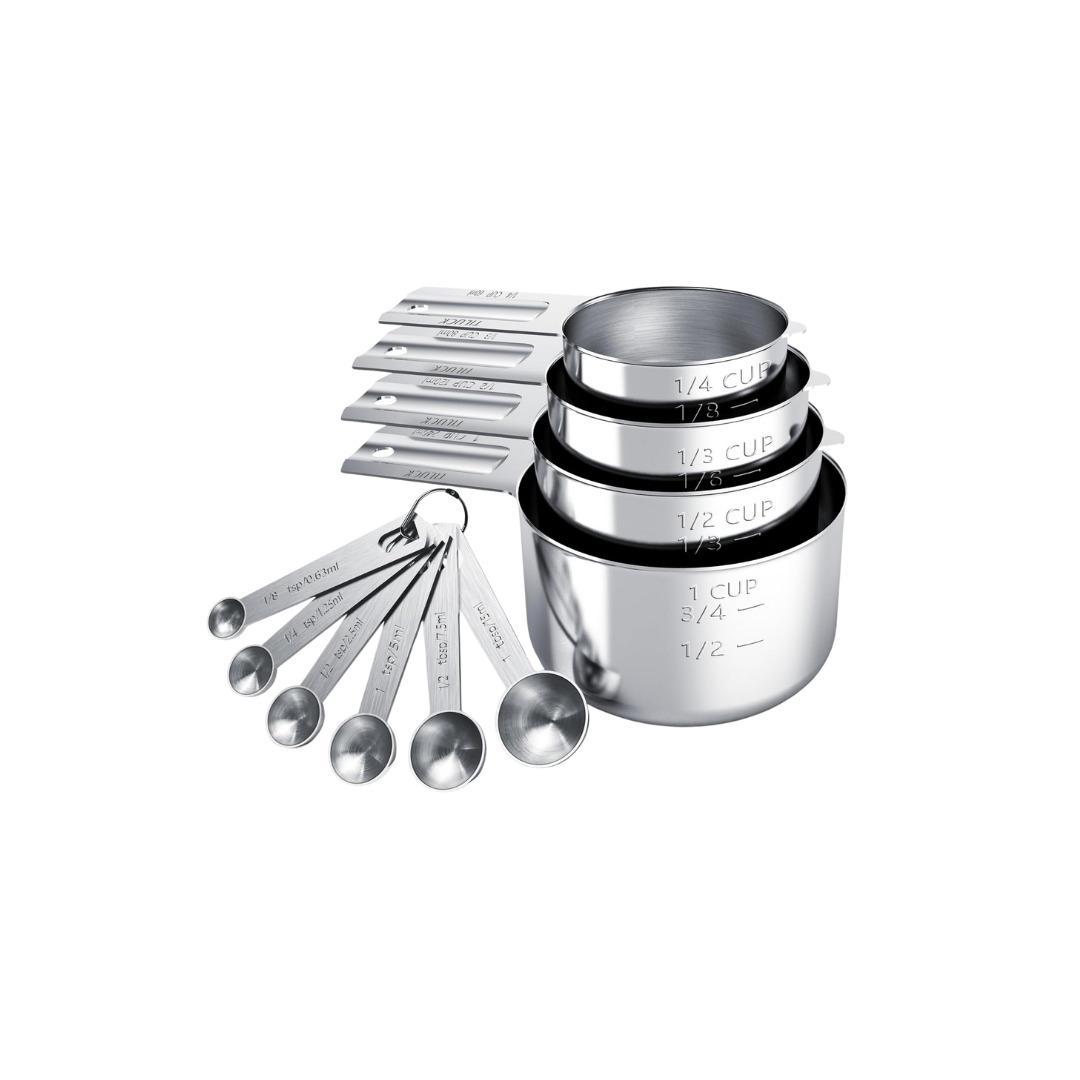
A durable, non-toxic option for measuring ingredients that will last for years of use.
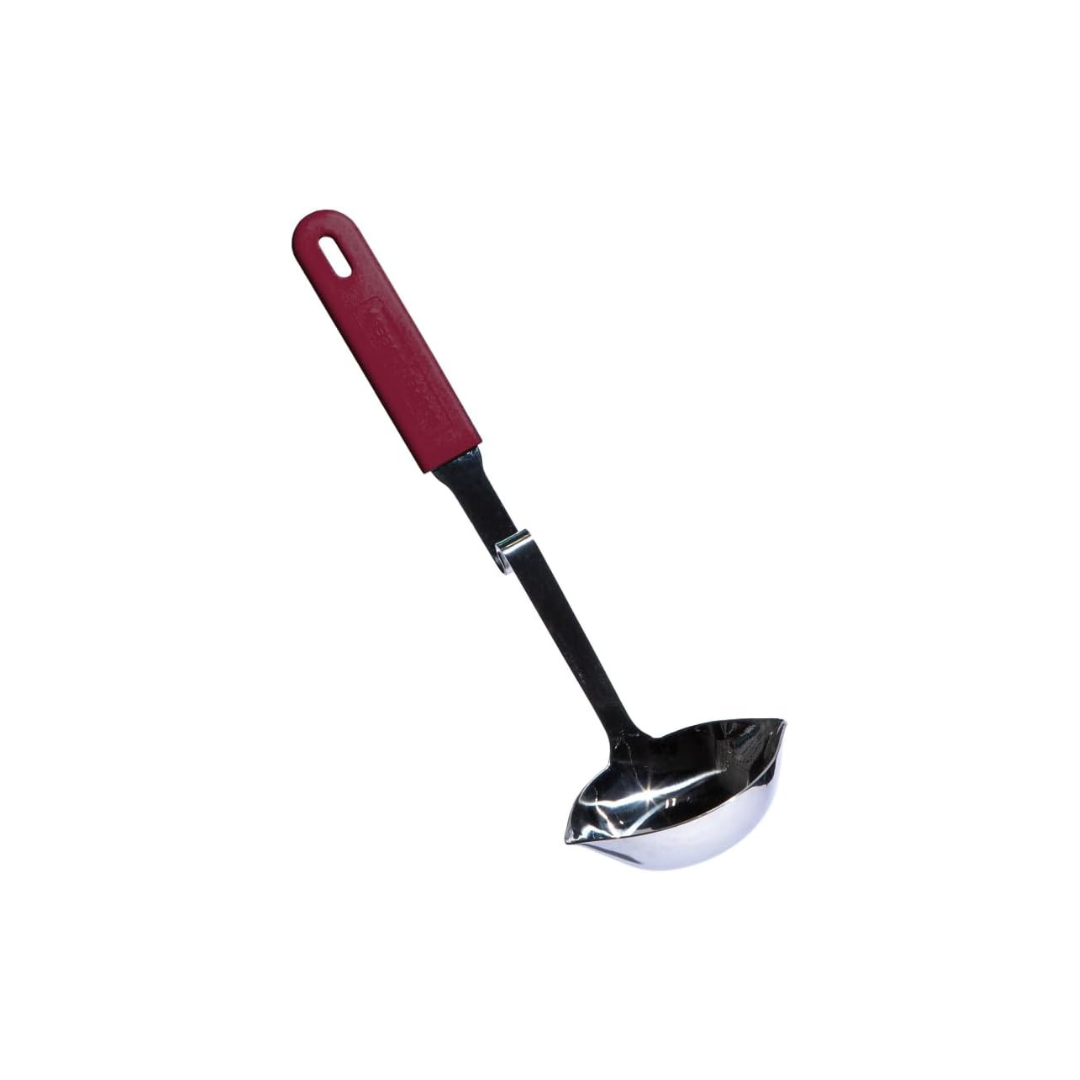
Souper Cubes + Lori Greiner No Mess Stainless Steel Soup Ladle
Great for freezing soups, sauces, and leftovers in portioned amounts, making meal prep simple and organized.
What “Non-Toxic Cookware” Actually Means
When cookware is labeled as non-toxic, it generally means it does not contain harmful substances like polyfluoroalkyl substances (PFAS), perfluorooctanoic acid (PFOA), PTFE, or heavy metals such as lead and cadmium.
The main concerns with toxic cookware are how it behaves under high heat, when scratched, and after years of use. Over time, nonstick coatings can degrade and release substances that negatively impact human health.
Why PFAS Are the Main Concern
PFAS are often called forever chemicals because they don’t break down easily in the environment or the human body. Instead, they accumulate over time.
These chemicals are commonly used in traditional nonstick cookware because they repel oil and water. Unfortunately, repeated exposure has been linked to various health risks, which is why many people are now seeking safer cookware alternatives.
How to Transition to Non-Toxic Cookware
You don’t need to replace everything at once.
Start with:
The pan you use every single day
Any cookware that is scratched or peeling
Non-stick pans used at high temperatures
Replacing cookware slowly allows you to make thoughtful choices and spread out the cost.
Stainless Steel Cookware
If I had to recommend one cookware material for most home cooks, it would be stainless steel.
Why Stainless Steel Is a Good Choice
Completely non-toxic
Durable and long-lasting
Safe for high-heat cooking
Works on induction cooktops
Doesn’t react with acidic foods like tomato-based meat sauce
High-quality stainless steel pans often include an aluminum core for even heat distribution and thick bottoms for stability.
How to Use Stainless Steel Without Sticking
If stainless steel has ever frustrated you, you’re not alone. The good news is that sticking usually isn’t a stainless steel problem. It’s a heat and timing problem.
Start by placing your stainless steel pan on the stove over medium heat and letting it preheat for a few minutes. You want the pan to be evenly heated before adding anything to it. A quick way to test this is the water test. Sprinkle a few drops of water into the pan. If the water sizzles and evaporates immediately, the pan isn’t hot enough yet. If the water beads up and glides across the surface, the pan is ready.
Once the pan is properly heated, add your oil. Let the oil warm up for a few seconds until it shimmers slightly. Only then should you add your food. Adding food too early, before the pan and oil are hot enough, is the most common reason food sticks.
It’s also important to let food cook undisturbed for a moment. Proteins, in particular, will naturally release from the pan once they’ve developed a proper sear. If you try to move them too soon, they are more likely to stick.
When used this way, stainless steel pans offer excellent heat control, great browning, and reliable performance for everyday cooking. Once you get the hang of it, many home cooks find stainless steel becomes their favorite pan to reach for.
Ceramic-Coated Cookware
Ceramic-coated cookware uses a ceramic non-stick coating often derived from silicon dioxide.
Pros
Free from toxic chemicals
Easier cleaning
Lighter weight
Ideal for lower heat cooking
Cons
Coating can wear down over time
Not ideal for high-heat cooking
Avoid metal implements
Ceramic nonstick pans are best for eggs, delicate foods, and everyday meals cooked at medium heat.
Cast Iron Cookware
Cast iron cookware is naturally non-toxic and incredibly durable.
Why Cast Iron Is a Safe Option
No synthetic nonstick coatings
Excellent heat retention
Ideal for high-heat cooking
Improves with years of use
Bare cast iron pans require seasoning but reward you with great performance.
Enameled Cast Iron & Dutch Ovens
Enameled cast iron, such as Le Creuset, offers the benefits of cast iron with easier maintenance.
No seasoning required
Easy cleaning
Ideal for soups, stews, and slow cooker-style meals
Carbon Steel Pans
Carbon steel pans are lighter than cast iron and develop natural non-stick properties over time. They’re great for high heat but better suited for experienced home cooks.
Copper Cookware
Copper cookware offers excellent heat control but must be lined with stainless steel. It’s beautiful but requires upkeep and isn’t ideal for beginners.
Cookware Care Tips for Longevity
Proper care extends the life of your cookware and helps maintain its safety.
Avoid high heat unless cookware is designed for it
Hand wash with warm water
Avoid sudden temperature changes
Use wooden spoons instead of metal
Store cookware carefully to prevent scratches
Best Cookware by Cooking Style
Everyday meals: Stainless steel pans
High-heat cooking: Cast iron and stainless steel
Small kitchens: Multi-use ceramic-coated pans
Beginners: Ceramic-coated cookware and stainless steel sets
Families: Dutch ovens and large sauté pans
Frequently Asked Questions About Non-Toxic Cookware
-
This is probably the most important question, and the answer is yes, over time.
Non-toxic cookware is considered safer because it avoids materials like PFAS, PFOA, and traditional nonstick coatings that can release toxic chemicals, especially at high heat or after years of use. These substances can accumulate in the human body slowly, which is why long-term exposure is the main concern.
Switching to safer cookware doesn’t mean your food suddenly becomes “health food.” It simply reduces one source of daily chemical exposure. And when it comes to human health, small reductions over time really do matter.
-
The issue with traditional nonstick cookware isn’t usually one-time use, it’s wear and tear.
Over time, nonstick coatings can:
Scratch easily
Break down at high temperatures
Release fumes if overheated
Shed particles into food
Once a nonstick pan is scratched or peeling, it’s no longer a safe option. That’s why I always recommend replacing nonstick pans first when transitioning to non-toxic cookware.
-
High-quality ceramic nonstick pans are considered a safer alternative to traditional nonstick cookware.
Most ceramic-coated pans are made using a ceramic non-stick coating derived from silicon dioxide (basically sand). They do not contain PTFE or PFOA, and when manufactured responsibly, they’re free from heavy metals.
That said, ceramic pans still require proper care. They perform best at lower to medium heat, and the coating won’t last forever. Think of them as a great transitional option, not a lifetime pan.
-
This depends heavily on how you use and care for your pans.
With proper care:
Low to medium heat
No metal utensils
Hand washing only
No sudden temperature changes
Most ceramic-coated pans last 2–5 years. That’s completely normal and not a failure. Even a few years of safer cooking is a good thing.
-
For high-heat cooking, you want cookware that doesn’t rely on a coating at all.
The safest options are:
Stainless steel pans
Cast iron cookware
Carbon steel pans
These materials can handle high temperatures without breaking down or releasing toxic fumes. They’re ideal for searing, sautéing, and any cooking that requires high heat.
-
Yes, high-quality stainless steel cookware is one of the safest cookware options available.
It’s non-reactive, durable, and doesn’t require a coating. Most stainless steel cookware uses an aluminum core for better heat distribution, but the aluminum is fully encased and does not come into contact with food.
Stainless steel is also safe for:
Acidic foods
Tomato-based meat sauce
Everyday meals
Induction cooktops
-
This is one of the biggest frustrations for beginners, and it’s almost always a heat issue, not the pan.
Stainless steel needs to be preheated properly:
Heat the pan on medium heat
Add oil after the pan is hot
Let the oil heat up
Add food
When used correctly, stainless steel offers great performance and becomes incredibly reliable.
-
Yes, cast iron cookware is safe for everyday use and has been used for generations.
Bare cast iron pans are naturally non-toxic and don’t contain synthetic nonstick coatings. When properly seasoned, they develop a natural non-stick surface and improve with years of use.
Some people worry about iron leaching into food, but for most people, this is minimal and not a concern. In fact, it can even be beneficial.
-
Bare cast iron:
Requires seasoning
Develops a natural non-stick surface
Can react with acidic foods
Enameled cast iron:
Has a ceramic glaze
Requires no seasoning
Easier cleaning
Ideal for soups, stews, and dutch ovens
Both are great options, it just depends on your cooking style and preference.
-
Aluminum cookware becomes a concern when aluminum comes into direct contact with food.
That’s why:
Bare aluminum cookware isn’t ideal
Fully clad stainless steel cookware with an aluminum core is safe
As long as aluminum is fully encased in stainless steel, it does not pose the same health risks.
-
Some air fryers use nonstick coatings that may contain PFAS, especially older or lower-quality models.
That’s why I recommend air fryers and countertop ovens that prioritize safer materials and transparent manufacturing. Since air fryers operate at high temperatures, choosing a safer option here is especially important.
-
If you’re just getting started, replace cookware in this order:
Scratched nonstick frying pans
Sauté pans used daily
Sauce pans
Bakeware
There’s no need to replace everything at once. Progress is the goal.
-
It depends on the material:
Stainless steel: Yes
Cast iron: Yes
Carbon steel: Yes
Ceramic-coated pans: No
Using wooden spoons or silicone utensils helps preserve coatings and extends cookware life.
-
I always recommend:
Hand washing with warm water
Avoiding abrasive scrubbers
Letting pans cool before washing
Dishwashers can shorten the lifespan of cookware, especially ceramic-coated pans.
-
Stacking pans without protection can cause scratches.
Simple tips:
Use pan protectors
Hang pans when possible
Avoid stacking ceramic-coated pans directly
Proper storage helps cookware last a long time.
-
For me, yes, but not because it’s trendy.
Non-toxic cookware supports:
Long-term human health
Better performance over time
Less waste due to longer lifespan
And most importantly, it aligns with a mindset of doing what you can, when you can.
-
If you’re just starting out, I recommend:
One stainless steel frying pan
One ceramic-coated pan for convenience
One dutch oven or large pot
That’s it. You can build from there.
Choosing non-toxic cookware isn’t about doing everything at once. It’s about making better choices over time in a way that feels realistic for your life and your kitchen. You don’t need a perfectly curated set of pots and pans, and you definitely don’t need to replace everything overnight to be doing it right.
Every pan you replace matters. Every small upgrade, whether it’s swapping out a scratched nonstick frying pan, choosing stainless steel for everyday meals, or opting for ceramic-coated cookware at lower heat, supports your health, your home, and the people you cook for. These choices add up slowly, and that is a good thing.
This guide exists so you don’t have to figure it out alone. You can come back to it whenever you feel unsure, overwhelmed, or ready for your next swap. Start where you are, move at your own pace, and remember that progress, not perfection, is what truly makes a difference.
Want Everything in One Place?
If you prefer to shop everything mentioned in this guide in one place, I’ve linked my full non-toxic cookware Amazon folder below. It includes all of the pots, pans, air fryers, and kitchen tools mentioned in this post.
This is just a convenience option if that’s helpful for you. Always do what feels right for your kitchen.




Customizable recipes built off of pantry staples – and everything only takes 30 minutes or less!